
US House to Vote on Three Major Crypto Bills During Crypto Week
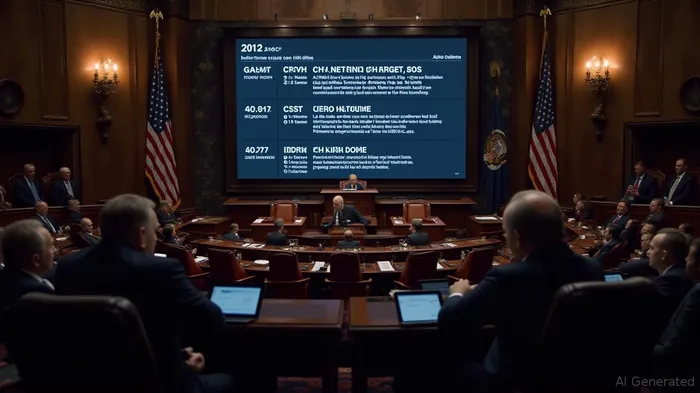
House leaders in the United States have launched a dedicated "Crypto Week" from July 14 to 18, during which three major pieces of digital asset legislation will be considered. This initiative is a critical step in aligning Congress with President Donald Trump’s pro-crypto agenda. House Finance Committee Chair French Hill, House Agriculture Committee Chair Glenn Thompson, and Speaker Mike Johnson confirmed that lawmakers will examine a comprehensive crypto market structure bill, a bill regulating stablecoins, and legislation targeting central bank digital currencies (CBDCs).
The crypto legislative trio includes the CLARITY Act, the Anti-CBDC Surveillance State Act, and the Senate-passed GENIUS Act. The purpose of these bills are to bring regulatory structure, limit federal overreach, and prevent the Federal Reserve from launching a digital dollar. According to Johnson, House Republicans are acting to deliver on Trump’s digital asset agenda, which has been strongly supported by the crypto industry.
The GENIUS Act, in particular, gained a lot of traction over the House's own STABLE Act, despite the latter being passed by the House Finance Committee in May. The Senate’s version was approved with bipartisan backing, and if the House approves it without changes, it could be signed into law by Trump without delay. However, law firms have pointed out that key differences between the GENIUS and STABLE Acts — especially regarding issuer eligibility and federal versus state oversight — could prompt amendments that would send the bill back to the Senate or force the creation of a joint reconciliation committee.
Alongside stablecoin legislation, the CLARITY Act will define the regulatory roles of the SEC and CFTC, and will require crypto exchanges to register with the CFTC and implement transparency standards. Democrats opposed both the GENIUS and CLARITY Acts, specifically due to ethical concerns over the Trump family’s growing crypto ventures. Finally, the Anti-CBDC Surveillance State Act seeks to ban any effort by the Federal Reserve to issue a digital dollar or offer financial services directly to the public. It was initially introduced by Tom Emmer in the previous Congress, the bill has now been reintroduced and passed by the House Finance Committee.
While excitement is building around crypto week, one of the largest asset managers raised concerns about the potential global implications of the US GENIUS Act. It warned that the legislation might trigger unintended disruptions in the international financial system. Vincent Mortier, the chief investment officer, said in a recent interview that while the GENIUS Act could appear visionary, it also carries risks that could undermine the long-term dominance of the US dollar. He suggested that the proliferation of fully collateralized dollar-backed stablecoins, as mandated by the Act, could paradoxically create an alternative to the dollar, weakening its role in the global economy. Though increased demand for US Treasury bonds might be a short-term benefit, Mortier warned that such requirements could send the wrong signal about the dollar’s inherent strength.
Mortier is also concerned about the broader implications of stablecoin issuers taking on banking-like roles. He warned that these entities, operating as “quasi-banks,” could destabilize the global payments system if not properly regulated. His comments were made after the US Senate passed the GENIUS Act on June 17, moving it forward to the House of Representatives for consideration. The legislation establishes stringent reserve and capital requirements for stablecoin issuers, a move that has been praised by some as a necessary step toward regulatory clarity.
Supporters of the GENIUS Act believe it could unlock new momentum for the tokenization of real-world assets, or RWAs, by providing legal and regulatory certainty. Abdul Rafay Gadit, a former Standard Chartered executive and founder of ZigChain, said the Act would make it easier to build compliant tokenized ecosystems with on-chain settlements. This, he argues, is essential for sectors like real estate, trade finance, and Islamic finance instruments like sukuk.

Stay ahead of the market.
Get curated U.S. market news, insights and key dates delivered to your inbox.






Comments
No comments yet