
U.S. House to Review CLARITY Act for Crypto Regulation on June 10
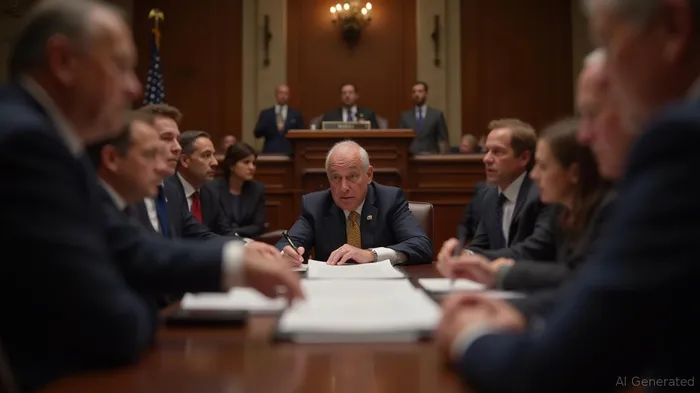
The U.S. House Financial Services Committee is scheduled to review the CLARITY Act on June 10, with the aim of establishing a clearer regulatory framework for digital assets and cryptocurrencies. This legislation is designed to define the jurisdictional authority between key regulatory bodies such as the Securities and Exchange Commission (SEC) and the Commodity Futures Trading Commission (CFTC), addressing long-standing ambiguities in the regulation of cryptocurrencies.
The CLARITY Act is seen as a pivotal step in fostering innovation while ensuring consumer protection in the digital assetDAAQ-- space. French Hill, Chairman of the Subcommittee on Digital Assets, has emphasized the importance of this legislation in providing a structured environment for the growth of digital assets. The act seeks to delineate which federal agencies oversee various digital assets, thereby eliminating the current regulatory confusion that has hindered market growth. By proposing clear definitions that distinguish securities from commodities within the crypto ecosystem, the bill aims to streamline compliance for industry participants. Additionally, it offers a structured registration process for crypto firms, balancing regulatory oversight with the need to encourage technological innovation. This clarity is expected to provide a stable environment for investors and developers, fostering responsible growth in blockchain technology.
The CLARITY Act is designed to not only clarify regulatory jurisdiction but also to protect consumers without stifling innovation. It emphasizes a nuanced approach that recognizes the unique characteristics of decentralized digital assets. By establishing tailored oversight mechanisms, the bill aims to prevent fraud and manipulation while allowing new financial products and services to flourish. This balance is critical, as overly stringent regulations could hamper technological advancements, whereas insufficient oversight might expose investors to undue risks. The act’s provisions reflect a growing understanding among lawmakers of the need for adaptable frameworks that evolve alongside emerging technologies.
The CLARITY Act has elicited a range of responses from the crypto community and regulatory experts. Former CFTC Chairman Timothy Massad expressed concerns that the bill’s reliance on fluid concepts such as “decentralization” might introduce new ambiguities rather than resolve existing ones. He advocated for a more straightforward regulatory solution, such as a joint SEC-CFTC oversight body, to govern major trading platforms. Conversely, blockchain advocates like Vivek Raman, CEO of Etherealize, praised the bill for potentially granting Ethereum and similar projects a clear legal status as decentralized infrastructure, which could enhance their operational legitimacy in the U.S. These contrasting viewpoints underscore the complexity of crafting effective crypto legislation.
The June 10 hearing will be pivotal in shaping the trajectory of crypto regulation in the United States. Should the CLARITY Act pass, it could set a precedent for a more coherentCOHR-- and innovation-friendly regulatory environment. This may encourage increased institutional participation and foster greater consumer confidence. Additionally, the act aligns with broader congressional efforts to modernize financial laws to accommodate emerging technologies, signaling a legislative shift toward embracing digital assets as integral components of the financial system. Stakeholders are advised to monitor developments closely and engage proactively with policymakers to influence the final regulatory framework.
The CLARITY Act represents a critical juncture in U.S. digital asset regulation, aiming to resolve jurisdictional uncertainties and promote responsible innovation. While it faces both support and skepticism, the bill’s progression could provide the clarity necessary for sustainable growth in the crypto industry. As lawmakers deliberate, the outcome will likely have lasting impacts on how cryptocurrencies and blockchain technologies are integrated into the broader financial landscape.

Comprender rápidamente la historia y el origen de distintas monedas conocidas
Latest Articles
Stay ahead of the market.
Get curated U.S. market news, insights and key dates delivered to your inbox.


AInvest
PRO
AInvest
PRO



Comments
No comments yet