
House Republicans' Crypto Bills Face Delay After Trump Intervention
 Aime Summary
House Republicans' ambitious "crypto week" faced an unexpected setback as 13 Republicans joined Democrats to block three cryptocurrency-related bills from advancing to a vote. This procedural hurdle halted the House's plans to pass legislation aimed at regulating stablecoins, addressing cryptocurrency market structure, and prohibiting the Federal Reserve from issuing a central bank digital currency.
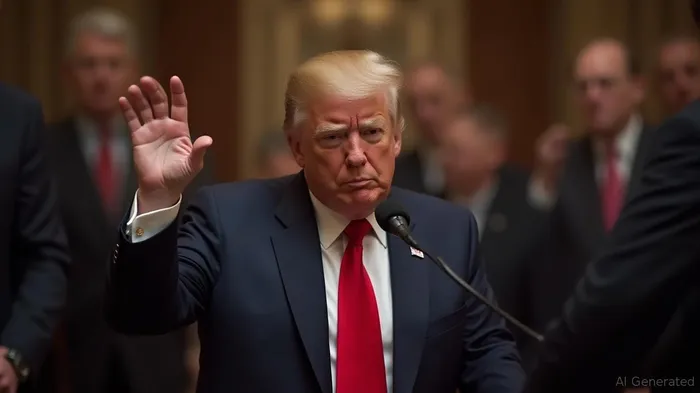
President Donald Trump, who had been pushing for the U.S. to become the "crypto capital of the world," intervened in the late evening, holding a meeting with lawmakers at the White House. Trump's intervention appeared to put the bills back on track, with the president posting on social media that he expected votes as early as Wednesday. However, the House leadership canceled votes for the remainder of the day, potentially throwing the crypto bills into limbo.
The disagreement among lawmakers centered on how the three bills should be passed. Some Republicans insisted on packaging the bills together, which would require them to be sent back to the Senate. This approach was opposed by Trump and Republican leaders, who wanted the bills to be passed individually to expedite the process, particularly for the stablecoin legislation, which Trump has been eager to sign into law before the August recess.
The stablecoin legislation, which passed the Senate after nearly a month and a half of deliberation, includes a provision that bars members of Congress and their families from profiting off stablecoins. Notably, this prohibition does not apply to the president or his family, raising questions about potential conflicts of interest given Trump's significant stake in World Liberty Financial, a crypto project that recently launched its own stablecoin, USD1.
The cryptocurrency industry had hoped that the passage of these bills would aid in their push for legitimacy and increasing consumer trust. However, the roadblocks encountered on Tuesday highlighted the challenges ahead. Faryar Shirzad, chief policy officer of Coinbase, the nation’s largest cryptocurrency exchange, acknowledged the setbacks but remained optimistic about the eventual passage of pro-crypto legislation.
The implications of these legislative efforts extend beyond immediate regulatory concerns. The outcome could influence the 2026 midterm races, with crypto super political action committees like Fairshake already preparing to spend significant funds to support pro-crypto candidates. The group has emphasized the need for responsible regulation and has pledged to ensure that pro-crypto voices are heard in key races across the country.

Stay ahead of the market.
Get curated U.S. market news, insights and key dates delivered to your inbox.






Comments
No comments yet