
House Republicans Advance Crypto Bills After Nine-Hour Vote
 Aime Summary
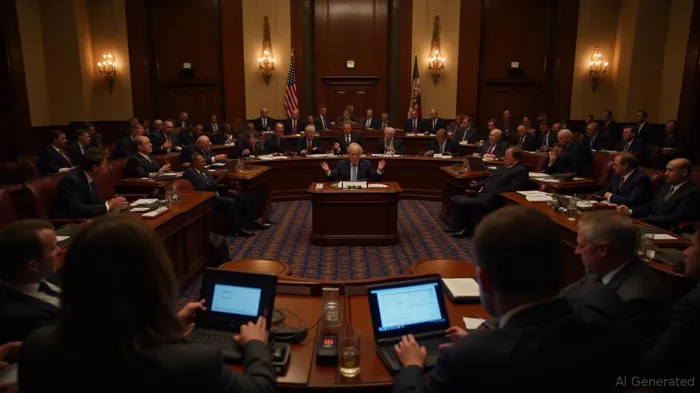
House Republican leaders have brokered a deal to advance three crypto bills that were previously stalled during a record-breaking procedural vote. This vote, which lasted over nine hours, was the longest in the House’s history and concluded late on Wednesday with a vote of 217-212 in favor.
A group of Republican holdouts initially refused to support the vote unless a ban on central bank digital currencies (CBDCs) was guaranteed to pass. However, House Majority Leader Steve Scalise announced that Republicans would instead add a CBDC ban to a must-pass defense spending bill, the National Defense Authorization Act (NDAA).
House Republican leaders have designated this week as “Crypto Week” and are aiming to pass three key crypto bills: the CLARITY Act, the Anti-CBDC Surveillance Act, and the GENIUS Act. The CLARITY Act seeks to provide clarity on the legal status of cryptocurrencies, while the GENIUS Act focuses on regulating stablecoins. The Anti-CBDC Surveillance Act aims to ban central bank digital currencies. President Donald Trump has expressed a desire to sign the GENIUS Act before the weekend.
House Majority Leader Steve Scalise stated that the House would vote separately on the GENIUS Act and CLARITY Act as early as Thursday. However, Speaker Mike Johnson indicated that votes on bills other than the GENIUS Act could be delayed until Friday or the following week.
The prolonged stalemate on the crypto bills has significant implications for the future of digital asset regulation in the United States. The delay in advancing these measures could lead to further uncertainty in the cryptocurrency market, as stakeholders await clarity on regulatory frameworks. The impasse also highlights the need for bipartisan cooperation and strategic negotiation to address complex legislative issues.
The situation underscores the intricate dynamics within the legislative process and the importance of finding common ground to advance critical legislation. The outcome of the crypto bills remains uncertain, but the stalemate serves as a reminder of the need for lawmakers to work together to address the evolving landscape of digital assets and ensure a stable regulatory environment.

Stay ahead of the market.
Get curated U.S. market news, insights and key dates delivered to your inbox.






Comments
No comments yet