
U.S. House Passes Trump's Tax and Spending Bill 218-214
The halls of Washington D.C. have been abuzz with anticipation, and now a significant milestone has been reached with the passage of a monumental piece of legislation. The U.S. House of Representatives recently approved what is being called the “One Big Beautiful Bill Act,” a comprehensive tax and spending bill proposed by President Donald Trump. This legislation is poised to reshape the economic landscape, with potential implications for financial markets, including the dynamic world of cryptocurrencies.
The ‘One Big Beautiful Bill Act’ cleared the U.S. House on July 3rd, marking a pivotal moment in American economic policy. This bill is not just another piece of legislation; it is a comprehensive package designed to inject significant changes into the nation’s financial framework. The primary components of the bill include broad tax cuts for corporations and individuals, aimed at stimulating economic activity and encouraging investment. The bill also allocates a significant portion of funds for infrastructure projects, including roads, bridges, and public utilities, with the goal of creating jobs and improving national infrastructure. Additionally, the legislation includes provisions for rolling back certain regulations across various sectors to reduce burdens on businesses and foster a more competitive environment. The bill also allocates funds to various other federal programs and initiatives, reflecting the administration’s priorities in areas such as defense and social welfare.
This multifaceted approach aims to deliver a powerful economic stimulus, but its long-term effects are a subject of intense debate among economists and policymakers. The passage of this bill is seen by its supporters as a necessary step towards robust economic growth. The U.S. House vote on this significant legislation was not a landslide. The narrow margin of 218 in favor to 214 against underscores the deep divisions within the legislative body regarding its potential impact and scope. This tight vote highlights the partisan complexities inherent in major policy changes. The close outcome suggests that while the administration secured enough votes, there was considerable opposition, likely centered on concerns about the national debt, potential for increased inflation, or the distribution of benefits. Understanding the dynamics of the U.S. House vote provides crucial context for how this bill might be perceived and implemented, and indeed, how future legislative battles might unfold.
President Trump’s tax and spending bill aims to stimulate economic growth, but like any large-scale policy, it comes with a spectrum of potential outcomes. The anticipated benefits include economic stimulus through tax cuts and infrastructure spending, which could lead to increased GDP growth. Job creation is expected from infrastructure projects and business expansion due to lower taxes, potentially reducing unemployment rates. Reduced corporate taxes and deregulation could encourage companies to invest more domestically, fostering innovation and competitiveness. However, the potential challenges include a significant expansion of the national debt, posing long-term fiscal challenges. A surge in demand from increased spending and liquidity could lead to higher prices for goods and services, potentially eroding purchasing power. Critics argue that the benefits of the tax cuts may disproportionately favor wealthier individuals and corporations, potentially widening the gap between income brackets. The long-term success of this ambitious legislation will depend on a multitude of factors, including global economic conditions and the actual implementation of its various provisions.
While the ‘One Big Beautiful Bill Act’ doesn’t directly mention BitcoinBTC-- or blockchain, its macroeconomic implications could certainly create ripples across all investment sectors, including digital assets. Understanding these potential indirect effects is crucial for savvy crypto investors. If the bill successfully stimulates the economy and boosts investor confidence, it could lead to increased capital flowing into riskier assets, including cryptocurrencies. Conversely, if concerns about national debt or inflation intensify, investors might pull back from speculative assets. Should the bill lead to significant inflation, cryptocurrencies, particularly Bitcoin, are often seen by some as a hedge against traditional fiat currency devaluation. This could potentially increase demand for digital assets. Tax cuts could increase disposable income for individuals, some of whom might choose to allocate a portion of these funds to emerging investment opportunities like crypto. The crypto market, while unique, often correlates with traditional financial markets. Positive or negative sentiment stemming from the bill’s economic impact could spill over into crypto valuations. It’s important for crypto enthusiasts to monitor not just crypto-specific news, but also major global economic and political developments like this Trump bill, as they can create significant indirect impacts on the digital asset landscape.
As the ‘One Big Beautiful Bill Act’ now heads to President Trump’s desk for signature, its journey from proposal to law is nearing completion. This comprehensive legislation represents a significant shift in U.S. economic strategy, promising wide-ranging effects on everything from individual tax burdens to national infrastructure projects. The vote in the U.S. House was a testament to the political will behind this initiative, despite the tight margin. Once signed, the real work of implementation begins, and the nation will watch closely to see if this ‘Big Beautiful Bill’ delivers on its ambitious promises of economic prosperity. Its influence will undoubtedly extend far beyond Washington D.C., potentially shaping financial markets and investment trends for years to come. 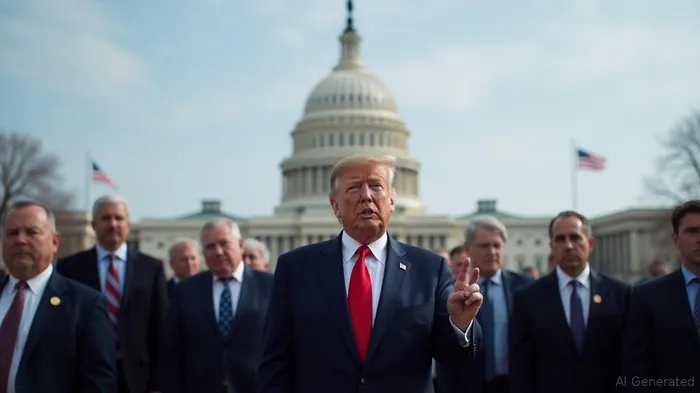

Stay ahead of the market.
Get curated U.S. market news, insights and key dates delivered to your inbox.


AInvest
PRO
AInvest
PRO



Comments
No comments yet