
House Passes Motion to Reconsider Crypto Package 215-211
 Aime Summary
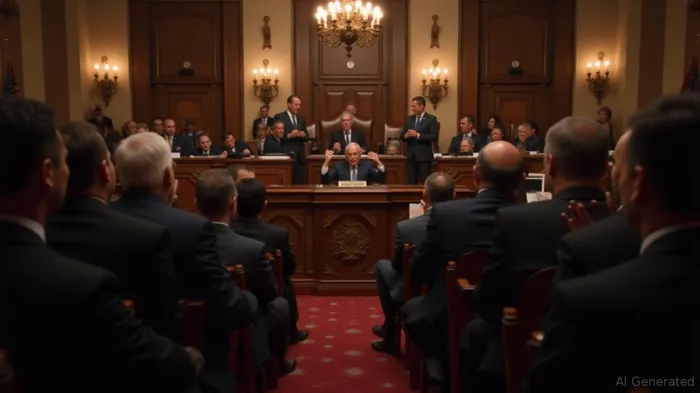
The U.S. House of Representatives passed a motion on July 16 to reconsider a comprehensive crypto package that includes the GENIUS Act, the CLARITY Act, and the Anti-CBDC Surveillance Act. The vote was 215-211, marking a significant step in the legislative process for these digital asset measures. The motion, which was a procedural bundle, does not constitute enrolled statutory language and thus does not go directly to the President for action. Instead, it positions House and Senate leaders to move the underlying bills individually, fold them into another legislative vehicle, or draft a consolidated conference substitute that can clear both chambers in identical statutory form for presidential action.
This development comes after a series of legislative maneuvers and political interventions that initially stalled the progress of the bill. On July 15, House leaders advanced the GENIUS Act for floor action one day after members rejected a rule that would have packaged the same three digital asset measures with the annual defense appropriation. President Donald Trump urged Republicans to support that combined rule, emphasizing the importance of keeping the United States ahead in digital asset policy. However, libertarian-leaning and House Freedom Caucus members objected to the bundling, pressing for stand-alone debate time. Representative Chip Roy highlighted the need for a hard ban on a US central bank digital currency and ranked the CLARITY Act as equally important, stating that opponents need to address all issues simultaneously.
The GENIUS Act, which stands for the Government Enforcement and National Interests in the United States Act, aims to establish clear regulatory frameworks for digital currencies, particularly focusing on the implementation of a Central Bank Digital Currency (CBDC). The act is designed to provide a layered approach to CBDC, ensuring that Americans can interact with digital currencies in a secure and regulated environment. The passage of the motion to reconsider the crypto package is a significant milestone, as it paves the way for further debate and potential approval of the GENIUS Act.
The legislative process for the GENIUS Act has been marked by both challenges and progress. The initial rejection of the crypto package highlighted the complexities and divisions within the House. However, the subsequent bipartisan support and presidential intervention have demonstrated the political will to move forward with regulatory standards for digital currencies. The passage of the motion to reconsider the crypto package is a testament to the ongoing efforts to establish a clear and comprehensive regulatory framework for the digital currency landscape in the U.S. The next steps involve converting the package into enactable legislation, which can be done through committees or leadership discharging, marking up, or attaching the component measures to moving vehicles.

Stay ahead of the market.
Get curated U.S. market news, insights and key dates delivered to your inbox.






Comments
No comments yet