
House to Discuss Crypto Tax Policy Framework July 16
Lawmakers in the US House of Representatives are set to hold a hearing on July 16 to discuss a crypto tax policy framework. This hearing is part of a broader push by Republicans to consider three key bills related to central bank digital currencies (CBDCs), stablecoins, and market structure. The event, titled “ensuring digital assetDAAQ-- policy built for the 21st century,” will coincide with House representatives voting on these crypto-related bills.
The hearing aims to address the “affirmative steps needed to place a tax policy framework on digital assets.” However, it remains unclear who will be invited to testify at this event. Earlier in the week, the US Senate Banking Committee held discussions on market structure legislation, featuring testimonies from prominent figures in the crypto industry, including RippleXRP-- CEO Brad Garlinghouse, Blockchain Association CEO Summer Mersinger, and Chainalysis CEO Jonathan Levin.
Republican lawmakers in both the House and Senate have proposed different legislative paths to tackle regulatory issues affecting the crypto and blockchain industry. For instance, Wyoming Senator Cynthia Lummis introduced a provision to address double taxation for cryptocurrency miners and stakers during the debate over the US President Donald Trump’s budget bill. Although this provision did not pass, Lummis later submitted a standalone draft bill on digital asset taxation.
The upcoming “crypto week” of legislation, starting on July 14, will see the House discussing several key bills. These include the GENIUS Act for payment stablecoins, the Anti-CBDC Surveillance State Act, and the Digital Asset Market Clarity (CLARITY) Act for market structure. The CLARITY Act, which originated in the House, has seen the Senate Banking Committee express intentions to proceed with its own plans for crypto market structure, with a September goal. Two versions of the Anti-CBDC Surveillance State Act have been introduced in both the House and Senate, but neither has passed either chamber yet. In contrast, the GENIUS Act awaits a full House vote after possible amendments and debate, having passed the Senate in June. President Trump has urged House lawmakers to pass a “clean” bill with “no add-ons,” indicating he would sign it immediately after a vote.
Senator Cynthia Lummis has also introduced legislation aimed at reducing the tax burden for cryptocurrency users. Her proposal includes a $300 de minimis exemption, which would exempt small transactions from taxation, providing some relief to crypto users who frequently engage in minor trades. This push for these bills comes as Senate Democrats, whose support is crucial for passing a comprehensive overhaul of cryptocurrency regulations, have signaled their readiness to engage in discussions. This bipartisan effort is part of a broader initiative by Republicans to pursue significant changes in cryptocurrency rules later this year. The negotiations are expected to be complex, given the diverse interests and concerns within the Senate.
The industry is also actively engaging with lawmakers. CoinbaseCOIN--, one of the leading cryptocurrency exchanges, has been seeking regulatory clarity from the Securities and Exchange Commission (SEC). The company is advocating for "no-action relief," which would provide assurances from the SEC that certain products can be offered without regulatory interference. This move underscores the industry's desire for a clear and predictable regulatory environment.
The House of Representatives is also playing a pivotal role in these discussions. House Majority Leader Tom Emmer and Democrat Darren Soto have reintroduced the "Securities Clarity Act" to Congress. This legislation aims to provide clarity on which digital assets are considered securities, a critical issue for the industry. The act is part of a broader effort to create a more defined regulatory framework for cryptocurrencies.
The push for these bills is part of a broader effort to address the growing importance of cryptocurrencies in the financial landscape. The industry coalition, including major players, has urged the House of Representatives to prioritize these discussions. The "Crypto Week," scheduled for July 14 to 18, will see the review of three key legislations, highlighting the urgency and importance of these regulatory efforts.
The discussions on cryptocurrency tax policy and regulations are expected to continue, with lawmakers and industry stakeholders working together to create a framework that balances innovation with consumer protection. The outcome of these discussions will have significant implications for the future of cryptocurrencies in the US, shaping how these digital assets are taxed and regulated. 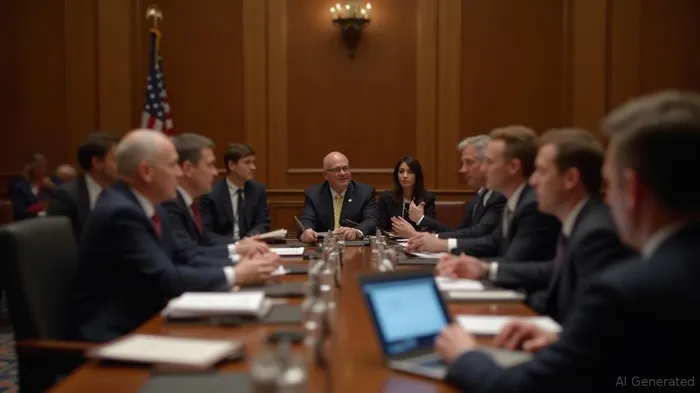

Stay ahead of the market.
Get curated U.S. market news, insights and key dates delivered to your inbox.




Comments
No comments yet