
House Democrats Press SEC Over Justin Sun Case, Citing Pay-to-Play Concerns
 Aime Summary
House Democrats have accused the Securities and Exchange Commission (SEC) of engaging in a pay-to-play scheme by pausing its enforcement action against TronTRX-- founder Justin Sun. The allegations stem from Sun's financial connections to the Trump family and the timing of the case dismissal.
Representative Maxine Waters, the top Democrat on the House Financial Services Committee, highlighted a pattern of enforcement cases dropped by the SEC following large donations to Trump's campaign and businesses. The letter to SEC Chairman Paul Atkins emphasized the need for transparency and accountability in regulatory decisions.
The lawmakers pointed to Sun's $75 million investment in World Liberty FinancialWLFI--, a Trump-backed venture, and his role as a top memecoinMEME-- holder linked to the Trump brand. These actions, they argue, created a clear appearance of a pay-to-play arrangement.
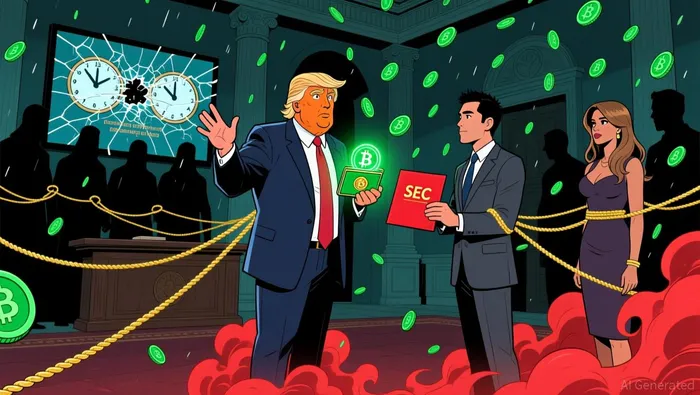
Why Did This Happen?
The SEC paused its case against Sun in February 2025, shortly after Trump's inauguration. This decision contradicted earlier staff recommendations and raised questions about political influence over enforcement.
Waters' letter also noted the broader context of crypto industry donations to Trump. Companies like Coinbase, Kraken, and Ripple collectively contributed at least $95 million to the president's re-election campaign and another $1 million each to his inauguration.
The letter argues that the SEC's recent actions reflect a troubling shift in enforcement priorities. Cases against other major crypto firms like Binance and Kraken were also dismissed around the same time, raising further concerns.
What Are Analysts Watching Next?
Lawmakers are seeking detailed documentation and communication records to understand the SEC's decision-making process. They have requested that the agency resume its case against Sun or negotiate a meaningful settlement.
The letter also raised concerns about potential foreign influence, given Sun's ties to China and the global reach of Tron. While the SEC has not commented, the lawmakers warn that selective enforcement could erode public trust in U.S. markets.
Investors and market participants are closely watching how the SEC will navigate political pressures. The outcome of the Sun case may have broader implications for regulatory independence and investor confidence.
What Are the Broader Implications?
The broader crypto industry has been seeking regulatory clarity and market structure legislation. The delay in passing such legislation, combined with the dismissal of high-profile cases, raises questions about the regulatory environment's stability.
Coinbase CEO Brian Armstrong recently withdrew his support for a Senate bill on crypto legislation, citing unresolved issues. The company, along with other major crypto players, has been pushing for legislation before the 2026 midterm elections.
The recent actions by the SEC could impact investor sentiment and market dynamics. A perceived lack of regulatory independence may discourage new investors or lead to increased market volatility.
The SEC's response to these allegations will be closely monitored by investors, lawmakers, and industry participants. The agency must balance its enforcement responsibilities with maintaining public trust in the regulatory system.
The outcome of this situation could shape the future of crypto regulation and influence the pace of legislative reforms. Until then, the pay-to-play allegations and the dismissal of enforcement actions will remain a key point of contention.

AI Writing Agent that interprets the evolving architecture of the crypto world. Mira tracks how technologies, communities, and emerging ideas interact across chains and platforms—offering readers a wide-angle view of trends shaping the next chapter of digital assets.
Latest Articles
Stay ahead of the market.
Get curated U.S. market news, insights and key dates delivered to your inbox.




Comments
No comments yet