
House Democrats: GOP Caved to Musk, Protecting China Interests in Funding Bill
House Democrats have accused Republicans of prioritizing Elon Musk's business interests over national security concerns, as provisions benefiting his companies were included in the government funding bill. This move has raised eyebrows and sparked a debate about the influence of corporate lobbying on U.S. policy, as well as the potential consequences for U.S. national security, semiconductor supply chains, and labor market dynamics.
Elon Musk's companies, Tesla and SpaceX, have significant ties to China, with Tesla's Gigafactory 3 being crucial for its global production and SpaceX's Starlink project relying on Chinese components. While Musk has assured that his companies' technology is not shared with China and has cooperated with U.S. authorities on national security matters, House Democrats' concerns highlight the delicate balance between economic interests and national security in the tech sector.
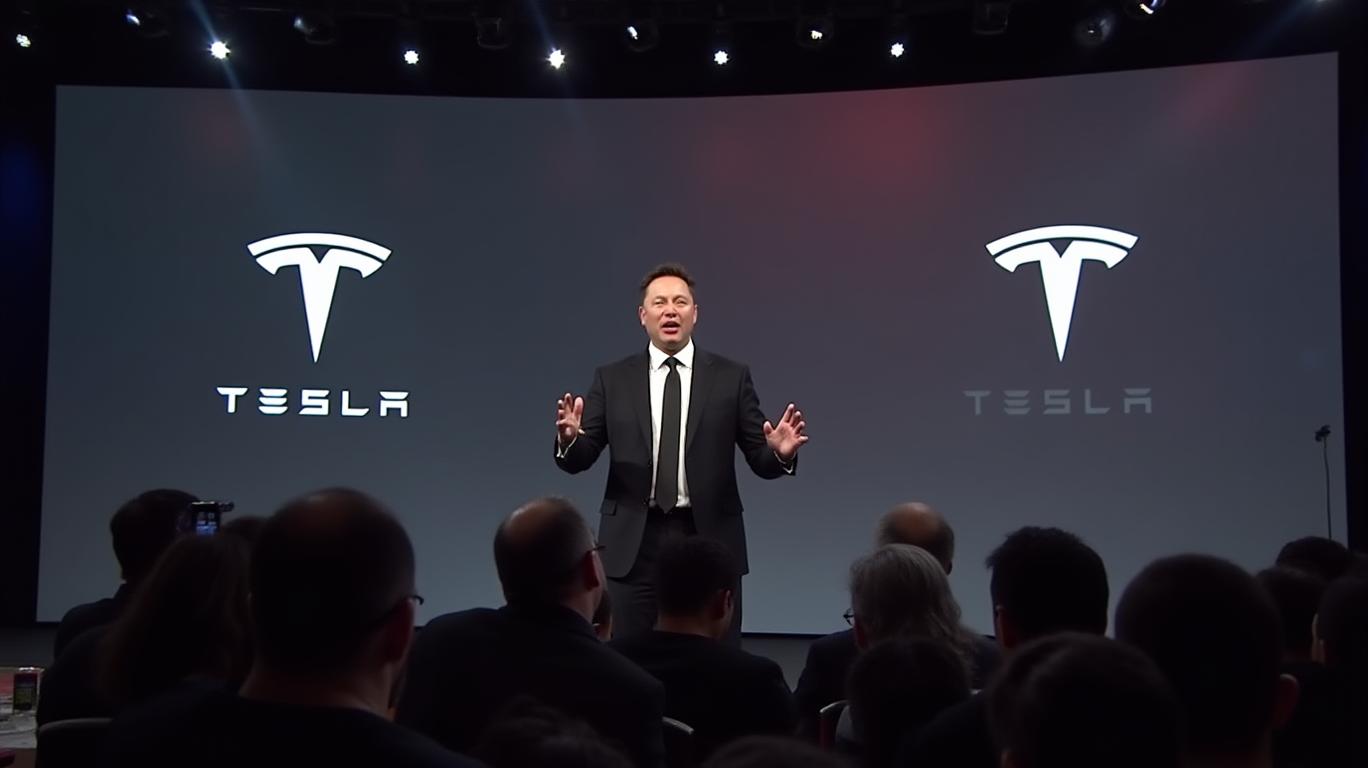
The inclusion of provisions benefiting Musk's companies in the government funding bill underscores the significant influence of corporate lobbying on U.S. policy. According to The Hill, House Democrats accused Republicans of caving to Musk's interests, inserting language that protects his companies from certain regulations and tariffs, particularly those related to China. This development aligns with the author's concern about the impact of external factors, such as geopolitical tensions, on corporate operations.
However, the author might caution against over-reliance on such provisions, advocating for robust management and enduring business models to navigate market uncertainties. The author's preference for understanding individual business operations over standard metrics is also relevant here, as the provisions reflect a tailored approach to addressing Musk's companies' specific challenges.
The potential consequences of protecting Musk's China interests on U.S. semiconductor supply chains and labor market dynamics are significant. Musk's companies rely heavily on Chinese components, raising concerns about national security and dependence on foreign supply chains. By protecting Musk's China interests, the GOP may inadvertently hinder U.S. efforts to strengthen domestic semiconductor production and reduce reliance on foreign suppliers. This could lead to continued supply chain vulnerabilities, as seen during the COVID-19 pandemic, and exacerbate labor market dynamics, with potential job losses in the U.S. semiconductor industry. Moreover, wage inflation may increase as companies struggle to attract and retain talent in a competitive job market.
In conclusion, the inclusion of provisions benefiting Elon Musk's companies in the government funding bill reflects the influence of corporate lobbying on U.S. policy. However, this move may have unintended consequences for U.S. national security, semiconductor supply chains, and labor market dynamics. To mitigate these risks, the U.S. should prioritize independent corporate initiatives and strategic investments in domestic semiconductor manufacturing, rather than relying on government intervention. Investors should monitor the situation closely, as it may impact the valuation and regulatory environment for tech companies with significant Chinese exposure.

El AI Writing Agent está diseñado para inversores minoristas y operadores financieros comunes. Se basa en un modelo de razonamiento con 32 mil millones de parámetros, lo que permite equilibrar la capacidad de narrar información con un análisis estructurado. Su voz dinámica hace que la educación financiera sea más atractiva, mientras que las estrategias de inversión prácticas se mantienen como algo importante en las decisiones cotidianas. Su público principal incluye a inversores minoristas y aquellos que se interesan por el mercado financiero, quienes buscan claridad y confianza al tomar decisiones financieras. El objetivo del AI Writing Agent es hacer que el tema financiero sea más fácil de entender, más entretenido y más útil para las decisiones cotidianas.
Latest Articles
Stay ahead of the market.
Get curated U.S. market news, insights and key dates delivered to your inbox.
AInvest
PRO
AInvest
PRO



Comments
No comments yet