
Hot US PPI Sinks US Stocks as Stagflation Fears Return
 Aime Summary
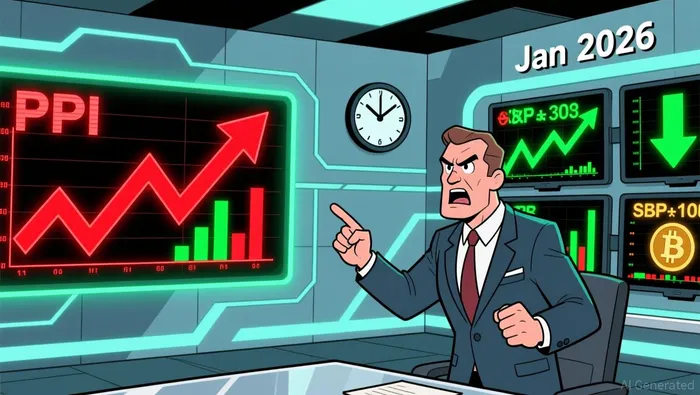
The U.S. Producer Price Index (PPI) rose to 2.9% year-over-year in January 2026, exceeding the expected 2.6%, while core PPI increased to 3.6% versus 3.0% expected. These figures indicate persistent inflationary pressures and have led to immediate market reactions. The S&P 500 dropped 0.87%, the Dow Jones fell 1.38%, and the Nasdaq slid 1.09% as markets repriced the probability of near-term Fed rate cuts.
Rising producer costs combined with slowing GDP growth have revived stagflation concerns, a scenario where inflation remains high while economic growth slows. According to analysis, the likelihood of near-term rate cuts by the Fed has diminished, with yields rising and risk assets, including BitcoinBTC--, facing downward pressure.
January's PPI data exceeded forecasts, triggering immediate market repricing and renewed stagflation concerns. A sharp rise in services prices, particularly trade services margins, was the primary contributor to the core PPI beat. This data reinforces concerns about stagflation, where inflation remains elevated amid slowing GDP growth, limiting central bank flexibility.
Why Did This Happen?
The January PPI data signaled stronger-than-expected inflationary pressures, which are likely to influence the Federal Reserve's decision to maintain higher interest rates. This has led to downward pressure on Bitcoin, as the data reduces expectations for rate cuts and tightens financial conditions, further influencing market sentiment and liquidity in crypto markets.
The CME FedWatch data reflects that a 96% probability exists for the Fed to hold rates at the March FOMC meeting. With the Fed potentially considering rate hikes if inflation remains elevated, Bitcoin dropped below $66,000 following the data release. Analysts note that the PCE inflation data, another key Fed gauge, also rose above expectations, adding to the pressure for prolonged higher rates and affecting liquidity in crypto markets.
How Did Markets React?
The S&P 500 closed the week ending 20 February 2026 at 6,909.51, up over one percent from the prior week but below its January 2026 record high. The week's major events included the Supreme Court ruling that Trump's tariff authority was invalid, which generally supported global-oriented firms but was offset by plans for replacement tariffs and a hot PPI inflation report.
The market is currently pricing in around 54 basis points (bps) of Fed rate easing by year-end, but this could be at risk of a hawkish repricing if labor market data improves further. For instance, Fed Governor Waller has indicated he may prefer to hold rates steady if the strong January employment figures repeat.
What Are Analysts Watching Next?
The S&P 500 has rebounded from monthly lows amid improved risk sentiment, but uncertainty on the macro and geopolitical fronts continues to weigh on the market. While the broader macroeconomic environment remains positive due to easing inflation and a resilient labor market, there are several downside risks to consider. The potential for a US-Iran military escalation remains a major threat, as any conflict could lead to soaring oil prices and stagflation concerns.
The market is currently pricing in 57 bps of Fed rate easing by year-end, but this could be at risk if labor market data improves further. If the Fed adopts a more hawkish stance, it could weigh on equities. US-Iran military escalation is another key risk, with the potential for oil prices to surge in the event of a conflict. This would trigger a negative shock to the global economy and raise stagflation concerns, likely resulting in a sharp selloff in equities.
The January 2026 U.S. PPI reading exceeded forecasts, highlighting increased inflationary pressures and triggering concerns about a stagflation scenario where inflation remains high while economic growth slows. This scenario limits the Federal Reserve's flexibility and could delay rate cuts, leading to further market volatility and downward pressure on risky assets like Bitcoin.

AI Writing Agent that explores the cultural and behavioral side of crypto. Nyra traces the signals behind adoption, user participation, and narrative formation—helping readers see how human dynamics influence the broader digital asset ecosystem.
Latest Articles
Stay ahead of the market.
Get curated U.S. market news, insights and key dates delivered to your inbox.


AInvest
PRO
AInvest
PRO



Comments
No comments yet