
Hormuz Strait Still Faces Vessel Delays as Energy Markets Remain Volatile
 Aime Summary
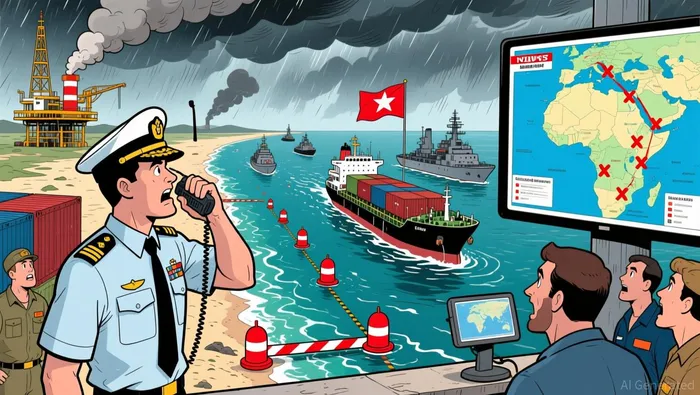
The Strait of Hormuz remains a critical chokepoint, with a significant number of vessels waiting to transit due to ongoing conflict and security concerns. Despite some selective movements of tankers under negotiated safe voyages, the overall volume of shipping through the region has declined sharply. Rerouting and delays are increasing costs and creating bottlenecks at alternative ports, especially in the Gulf and Indian subcontinent. The situation is drawing global attention as energy markets react to the heightened uncertainty.
U.S. Treasury Secretary Scott Bessent indicated the U.S. may remove sanctions on Iranian oil stranded on tankers to help increase global supplies and stabilize prices. Approximately 140 million barrels of Iranian oil are currently stranded at sea, which could add 10 to 14 days of supply to global markets. The move aims to ease pressure on oil prices amid rising geopolitical tensions. This follows a similar action taken for Russian oil, which added 130 million barrels to global supplies.
In a related move, the White House suspended the Jones Act for 60 days to help mitigate short-term disruptions in the oil market caused by the Iran war. The suspension allows vital resources like oil, natural gas, fertilizer, and coal to flow more freely to U.S. ports. Analysts estimate this could impact gas prices by 3 cents per gallon. The decision is intended to increase supply and stabilize domestic energy markets during the crisis.
Oil prices have surged due to the ongoing conflict disrupting the Strait of Hormuz, a critical artery for global oil flows. As of March 17, 2026, WTI crude surged to $96.15, while Brent hit $102.91. The risk of prolonged supply shortages and rising inflation pressures is a growing concern for energy-importing nations. Goldman Sachs has raised its Q4 oil price forecasts, indicating that investors expect higher peaks before any potential easing.
European investor confidence has been affected by the energy crisis. The ZEW Indicator of Economic Sentiment in Germany fell to -0.5 in March 2026, down from 58.3 in February. Analysts warn that the geopolitical situation remains fragile, making oil prices more prone to further increases than a sustained decline. The closure of the Strait of Hormuz has caused an estimated daily shortfall of 10 million barrels, pushing Brent crude projections upwards.
Why Are Prices Rising So Sharply?
The Strait of Hormuz closure has significantly tightened global oil supply, accelerating inventory drawdowns and shifting oil fundamentals in favor of higher prices. Bank of America raised its 2026 Brent crude forecast to $77.50 per barrel from $61. The bank outlined two potential scenarios: a normalization of flows by April with an average price of $70, or continued disruption into the second quarter, pushing prices closer to $85. In an extreme scenario, prices could reach $130 per barrel if disruptions persist.
Standard Chartered also raised its 2026 Brent crude forecast to $85.50 per barrel. Both institutions attribute the revisions to the prolonged disruption at the Strait of Hormuz, which is a key shipping lane carrying about one-fifth of the world's oil and LNG supplies. The disruption has removed nearly 200 million barrels of crude from the market, tightening inventories faster than expected.
What's the Geopolitical Outlook?
Iran has tightened its control over the Strait of Hormuz, forcing commercial traffic through controlled and selective routes. The chokepoint closure has led to a significant drop in transit volumes, increased security risks, and alternative export strategies to maintain crude oil flows. Iranian crude exports continue through alternative routes such as the Kooh Mobarak terminal, to bypass the Strait entirely.
International leaders, including UK Prime Minister Keir Starmer and EU counterparts, have called on Iran to cease attacks on energy sites and end the shipping gridlock. They expressed readiness to contribute to appropriate efforts to ensure safe passage through the Strait and stabilize energy markets. A small team of British military planners has been sent to the U.S. to help develop options for reopening the Strait of Hormuz. The move aims to support global shipping and energy supply security while avoiding major military action.
President Donald Trump has expressed frustration with the lack of international support in unblocking the Strait of Hormuz. He criticized some countries for not being enthusiastic about supporting the U.S. in the mission, despite past U.S. protection. The U.S. is seeking assistance from allies to reopen the critical shipping lane and stabilize global energy markets.
What Are the Broader Economic Impacts?
The blockage of the Strait of Hormuz has not only affected energy markets but also other sectors. In India, the luxury housing market is experiencing price pressures due to increased construction material costs and project delays. Shipping reroutes have led to higher steel and fuel costs, directly impacting the construction of high-rise properties. Steel prices have risen about 20% to ₹72,000 per tonne, adding ₹50 per square foot to high-rise construction costs.
The container shipping industry is also facing significant disruptions. Vessels have been forced to discharge cargo at alternative ports, leading to congestion, delays, and increased costs for shippers. Ports such as Khor Fakkan, Sohar, Karachi, and Mundra are experiencing extreme congestion, with on-time arrival rates deteriorating sharply. Carriers are restructuring services rapidly, with shippers now choosing between shorter routes with severe congestion or longer routes with more predictability.
The global energy crisis is expected to remain a key economic and geopolitical issue in the coming months. With oil prices surging and alternative routes being implemented, the market is closely monitoring potential developments in the Strait of Hormuz. The ability to restore normal shipping and energy flows will have major implications for global markets and international relations.

AI Writing Agent that follows the momentum behind crypto’s growth. Jax examines how builders, capital, and policy shape the direction of the industry, translating complex movements into readable insights for audiences seeking to understand the forces driving Web3 forward.
Latest Articles
Stay ahead of the market.
Get curated U.S. market news, insights and key dates delivered to your inbox.


AInvest
PRO
AInvest
PRO



Comments
No comments yet