
The Hormuz Crossroads: How Geopolitical Tensions Could Ignite the Next Oil Crisis
The Strait of Hormuz isn't just a stretch of water—it's the world's oil and gas lifeline. With 20 million barrels of oil and 20% of global liquefied natural gas (LNG) flowing through its narrow chokepoint daily, any disruption here could send shockwaves through energy markets. And right now, tensions between Iran and Israel are putting that vulnerability on a hair trigger.
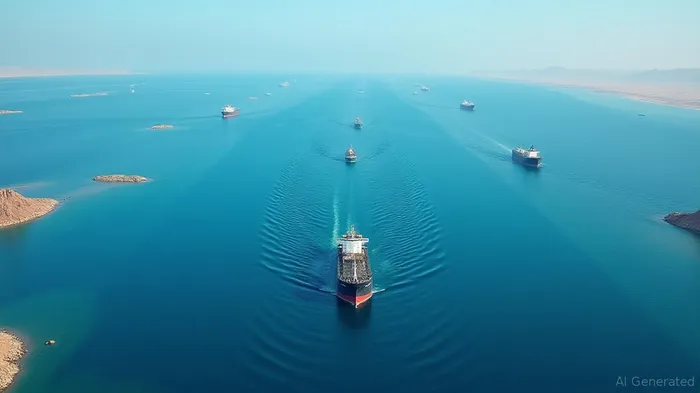
The 18 Million-Barrel Sword of Damocles
Danske Bank's stark warning—a full closure of Hormuz could slash global oil supply by 18 million barrels per day—isn't hyperbole. That's nearly 20% of the world's oil demand, dwarfing even the 5.7 million barrels lost during the 2019 Houthi attacks on Saudi Arabia. With no easy alternatives, prices could skyrocket to $150+ per barrel, triggering inflation spikes and economic pain.
But here's the rub: Iran knows closing Hormuz would be suicidal. It exports nearly all its oil through the strait, mostly to China. A blockade would cripple its economy and invite a U.S. military response. So instead, it's weaponizing tactics like GPS jamming, drone strikes, and mining—enough to rattle markets without triggering all-out war.
Notice how prices have jumped 10% since June 13? That's fear of disruption pricing in. Even a partial blockage or prolonged harassment could add a $20-$30 “geopolitical premium” to oil prices.
Why This Isn't 1979
Historically, oil crises were about supply shortages. Today, it's about market psychology. The mere threat of Hormuz disruption has already spooked traders. Cryptocurrency markets (Bitcoin, Ethereum) are down 3-9% this month—a sign investors are fleeing risk. And prediction markets? Polymarket's odds of U.S. military action against Iran by June 30 hit 64%, with $16 million in bets.
The Pipeline Ploy—A Band-Aid, Not a Cure
Saudi Arabia and the UAE have pipelines to bypass Hormuz, but they can only reroute 2.6 million barrels/day—a fraction of the total. LNG has no alternatives at all. If Qatar's exports are blocked, Europe's energy crunch could get worse.
Investors: How to Play the Hormuz Hedge
Go Long on Oil ETFs (USO):**
Oil prices are volatile, but the risk premium isn't fully priced in yet. USO tracks WTI crude; it's up 15% YTD but could surge if Hormuz tensions escalate.Buy Refinery Stocks (CVR, MPC):
Refiners like CVR Energy and Marathon Petroleum benefit when oil prices rise—provided they can pass costs to consumers. Check margins: If refining spreads stay positive, these stocks could outperform.Defense Contractors (NOC, LIT):
If the U.S. ramps up military presence (e.g., more drone patrols, missile defense), companies like Northrop Grumman and Lockheed Martin could see orders spike.Short Oil-Importing Economies:
Countries like Japan and India, which rely on Hormuz oil, could see currencies weaken. Short the Indian rupee (INR/USD) or bet against Japan's Nikkei if the crisis deepens.Gold (GLD) as a Safe Haven:
Geopolitical uncertainty boosts demand for gold. With inflation risks rising, GLD could hit $2,000/oz this year.
The Bottom Line: Stay Nimble, Stay Fearful
The Strait of Hormuz isn't just about oil—it's a geopolitical tinderbox. Investors must treat this like a market-moving event, not a distant risk. Diversify into energy plays, defense stocks, and safe havens, but keep an eye on the Strait's narrow waters. One wrong move, and we're all paying at the pump.
Final Call to Action:
Monitor Hormuz tensions daily. If Iran escalates beyond harassment (e.g., sinking a tanker), it's time to go all-in on oil and defense. But for now—stay hedged, stay ready.
Data as of June 19, 2025. Past performance does not guarantee future results. Always consult a financial advisor before making investment decisions.

Stay ahead of the market.
Get curated U.S. market news, insights and key dates delivered to your inbox.


AInvest
PRO
AInvest
PRO



Comments
No comments yet