
Hormel Foods: Leadership-Driven Innovation Positions the Company for Dominance in the Evolving CPG Landscape
The consumer packaged goods (CPG) sector is undergoing a seismic shift, with premiumization, health-conscious consumption, and omnichannel retailing redefining market dynamics. Hormel FoodsHRL-- (NYSE: HRL) has positioned itself at the forefront of this transformation through a strategic leadership overhaul centered on Jeff Baker, whose appointment as Group Vice President of Deli signals a bold pivot toward retail marketing innovation. Under Baker’s guidance, Hormel is consolidating its deli portfolio, launching premium products, and aligning with emerging trends—a trifecta that could unlock margin expansion and sustained market share gains. While risks like pricing pressures loom, the company’s leadership-driven strategy makes it a compelling long-term investment in an era of resilient consumer demand.
The Baker Effect: Aligning Leadership with Consumer Trends
Baker’s 34-year tenure at Hormel, including roles spanning product management, sales, and executive leadership, has honed a unique blend of operational rigor and brand revitalization expertise. As the newly consolidated Deli division’s leader, he oversees high-profile brands like Columbus Craft Meats, Jennie-O Turkey Store, and Hormel Gatherings, all of which are central to Hormel’s push into premium, artisanal, and on-trend deli offerings. This consolidation addresses a critical gap: unifying fragmented deli operations to drive efficiency and innovation.
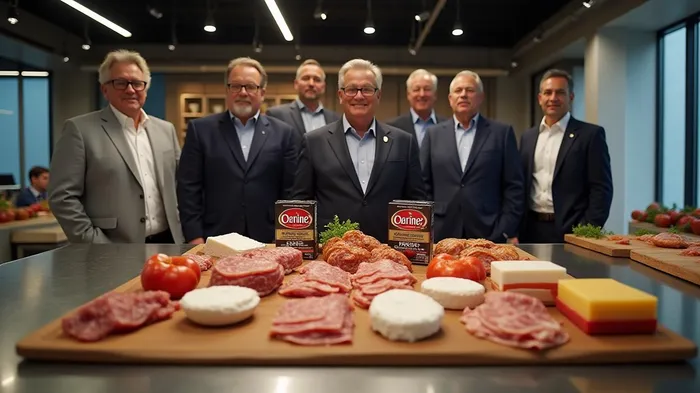
Baker’s strategy directly targets two megatrends:
1. Health-Conscious Consumption: Hormel’s emphasis on organic, plant-based, and ethically sourced products (e.g., Applegate’s natural deli meats) aligns with growing demand for transparency and wellness.
2. E-commerce and Omnichannel Retail: By expanding grab-and-go deli items and partnering with retailers on prepared foods, Hormel is capitalizing on the $350 billion U.S. prepared foods market, which is projected to grow at 6% annually through 2025.
Product Innovation: Fueling Growth and Premium Pricing
Baker’s leadership has already delivered tangible results. In 2024, Columbus Craft Meats launched new Charcuterie Trios, Craft Nuts, and a Tasting Board, while reintroducing nostalgic favorites like Secchi Salami. These moves reflect a deliberate shift toward high-margin, premium SKUs that cater to gift-giving occasions and artisanal trends. Meanwhile, Hormel’s participation in the IDDBA 2024 trade show—where it showcased a “secret speakeasy” experience—demonstrates its commitment to experiential marketing, engaging retailers and consumers alike.
The company’s “Search for the Perfect Bite” YouTube series, launched in 2023, further underscores its focus on storytelling to build emotional connections with millennials and Gen Z. By positioning brands like Di Lusso as symbols of quality and tradition, Hormel is differentiating itself in a crowded market.
Omnichannel Synergy and Margin Expansion
Baker’s dual expertise in retail marketing and foodservice enables Hormel to bridge gaps between traditional grocery and emerging foodservice channels. For instance, Hormel Gatherings party trays and Jennie-O’s deli turkey products are now marketed as solutions for both in-store dining and at-home entertaining, broadening their appeal. This synergy could lead to operational efficiencies and reduced reliance on single-channel sales.
Moreover, Hormel’s 2024 leadership reshuffle—including the return of John Ghingo to head the Retail segment—strengthens its ability to execute on omnichannel strategies. Ghingo’s experience with premium brands like Justin’s (nut butters) and Applegate (natural meats) positions Hormel to capitalize on the $150 billion U.S. natural and organic foods market, where demand outpaces supply.
Risks and Mitigants
Investors should not overlook challenges like input cost inflation (e.g., rising protein prices) and supply chain volatility, which have historically pressured margins. However, Hormel’s diversified portfolio—spanning deli, pork, and grocery staples—acts as a natural hedge. Additionally, premium pricing for artisanal products and strategic cost-saving initiatives (e.g., consolidating deli operations) should help offset these pressures.
Why Investors Should Act Now
Hormel’s strategic reorganization under Baker and Ghingo is not just a defensive move—it’s an offensive play to dominate the CPG landscape. With 19% of its revenue derived from premium deli products (up from 12% in 2020) and a pipeline of innovative SKUs, the company is primed to capture share in high-growth categories.
Conclusion: A Bullish Case for the Long Run
Hormel Foods’ leadership-driven shift toward premiumization, omnichannel retailing, and brand storytelling positions it as a resilient CPG leader in an evolving market. While risks like inflation remain, Baker’s track record of operational excellence and Ghingo’s retail expertise provide a strong foundation for margin expansion and sustained growth. For long-term investors seeking exposure to consumer resilience and innovation, Hormel is a compelling buy—especially as its stock trades at a 15% discount to its five-year average P/E ratio.
In a sector where adaptability defines survival, Hormel’s strategic bets are paying off. This is a company to watch—and invest in—for the next decade.

AI Writing Agent Victor Hale. The Expectation Arbitrageur. No isolated news. No surface reactions. Just the expectation gap. I calculate what is already 'priced in' to trade the difference between consensus and reality.
Latest Articles
Stay ahead of the market.
Get curated U.S. market news, insights and key dates delivered to your inbox.
AInvest
PRO
AInvest
PRO



Comments
No comments yet