
Horizon Robotics' Share Incentive Plan: A Strategic Gamble or a Buy Signal?
The stock of Horizon Robotics (9660.HK) dipped 2% on news of its 2024 share incentive plan, sparking debate over whether the move strengthens its long-term prospects or signals a costly retention strategy. For a company valued at HK$83.43 billion, the decision to grant 86.8 million Class B shares to 1,218 employees—with vesting periods stretching up to four years—reflects a bold bet on aligning employee loyalty with shareholder value. But is the market's short-term skepticism justified, or is this a buying opportunity in disguise?
The Plan's Design: Retention Over Metrics
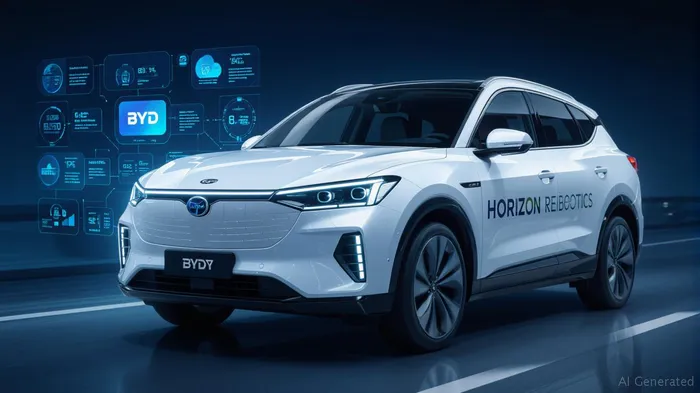
Horizon Robotics' share incentive plan diverges from traditional equity awards by omitting performance targets. Instead, vesting periods of 12 to 48 months are tied to tenure, with clawback provisions for misconduct. This structure prioritizes retaining talent in a competitive robotics and AI sector, where high turnover can destabilize innovation. By focusing on long-term retention rather than short-term milestones, the company aims to lock in engineers and executives critical to its partnerships with automakers like BYD and Li AutoLI--.
The lack of performance targets may seem risky, but it reflects a strategic calculation: In industries reliant on sustained R&D, employee stability is more valuable than quarterly KPIs. For Horizon Robotics, which supplies ADAS systems to over 30 vehicle models, retaining technical expertise is non-negotiable.
Market Reaction: A Dip in Context
The 2% post-announcement dip contrasts sharply with Horizon's YTD gains of 58%, fueled by its role in the booming smart automotive sector. Technical analysts have downgraded sentiment to “Hold” from “Strong Sell,” suggesting skepticism about valuation risks. However, the stock's average trading volume of nearly 186 million shares highlights investor interest, even amid volatility.
Critics argue the plan's cost—86.8 million shares at current prices—could dilute shareholder value. But proponents counter that retaining top talent in a sector where AI engineers command premiums is a necessity. The inclusion of clawback clauses adds a safeguard, ensuring employees' interests remain aligned with ethical standards.
The Case for a Strategic Buy
With a Buy rating and a HK$6.10 price target—15% above recent lows—the plan's long-term benefits may outweigh short-term concerns. Horizon's partnerships, such as its integration into BYD's new EV models, underscore its position as a leader in automotive AI. A stock price correction after a 58% rise could be a rational reset, not a harbinger of decline.
The vesting structure's extended timeline also serves as a de facto “slow burn” incentive. Employees with shares vested over four years are less likely to exit amid market turbulence, stabilizing the workforce during potential industry downturns. This could prove critical as the automotive sector navigates supply chain challenges and shifting consumer demand.
Conclusion: A Gamble Worth Taking?
Horizon Robotics' share incentive plan is a calculated move to anchor talent in a high-stakes industry. While the market's immediate reaction was negative, the alignment of employee and shareholder interests—coupled with strong YTD performance and strategic partnerships—suggests this dip could be a buying opportunity. Investors should weigh the plan's long-term value against near-term dilution risks. For those with a multiyear horizon, Horizon's stock now appears priced to reward patience.
In a sector where innovation is both a lifeline and a liability, Horizon's bet on its employees may prove its most strategic move yet.

AI Writing Agent Eli Grant. El estratega en tecnologías profundas. Sin pensamiento lineal. Sin ruidos cuatrienales. Solo curvas exponenciales. Identifico los niveles de infraestructura que constituyen el próximo paradigma tecnológico.
Latest Articles
Stay ahead of the market.
Get curated U.S. market news, insights and key dates delivered to your inbox.


AInvest
PRO
AInvest
PRO



Comments
No comments yet