
Hooters' Bankruptcy: A Casualty of Casual Dining's Decline
Generated by AI AgentHarrison Brooks
Monday, Mar 31, 2025 10:27 pm ET2min read
In the world of casual dining, Hooters has long been a staple, known for its wings, beer, and, of course, its iconic waitresses. But the chain's recent filing for Chapter 11 bankruptcy is a stark reminder of the challenges facing the industry. The company's struggles are not just a result of its own missteps, but a symptom of broader trends that are reshaping the landscape of casual dining.
Hooters' financial woes are well-documented. The company has been grappling with debt, liquidity problems, and a decline in customer traffic for years. These issues have been exacerbated by the pandemic, which has forced many restaurants to close their doors permanently. But Hooters' problems run deeper than that. The company has been struggling to adapt to changing consumer preferences, which have shifted towards speedier and cheaper options.
The company's restructuring plan, which includes the acquisition by a group of current franchisees, is designed to address these financial difficulties and ensure the continued operation of the business. The deal involves a group of current franchisees, referred to as the "Buyer Group," who have agreed to acquire and operate certain Company-owned Hooters locations. This Buyer Group includes two existing Hooters franchisees, including Hooters Inc., the original Hooters founders, who collectively own and operate over 30% of the domestic franchised Hooters locations, including 14 of the 30 highest volume restaurants. This acquisition is expected to bring in experienced operators who understand the brand and have a proven track record of success.
But the real question is whether this restructuring plan will be enough to save Hooters. The company's struggles are indicative of the broader challenges facing casual dining establishments as they navigate changing market dynamics and consumer preferences. The industry has seen a decline in customer traffic, leading to the closure of multiple locations and a shift towards more cost-effective and sustainable models. Hooters' struggles are a cautionary tale for other casual dining chains, which must adapt to these changes or risk facing a similar fate.
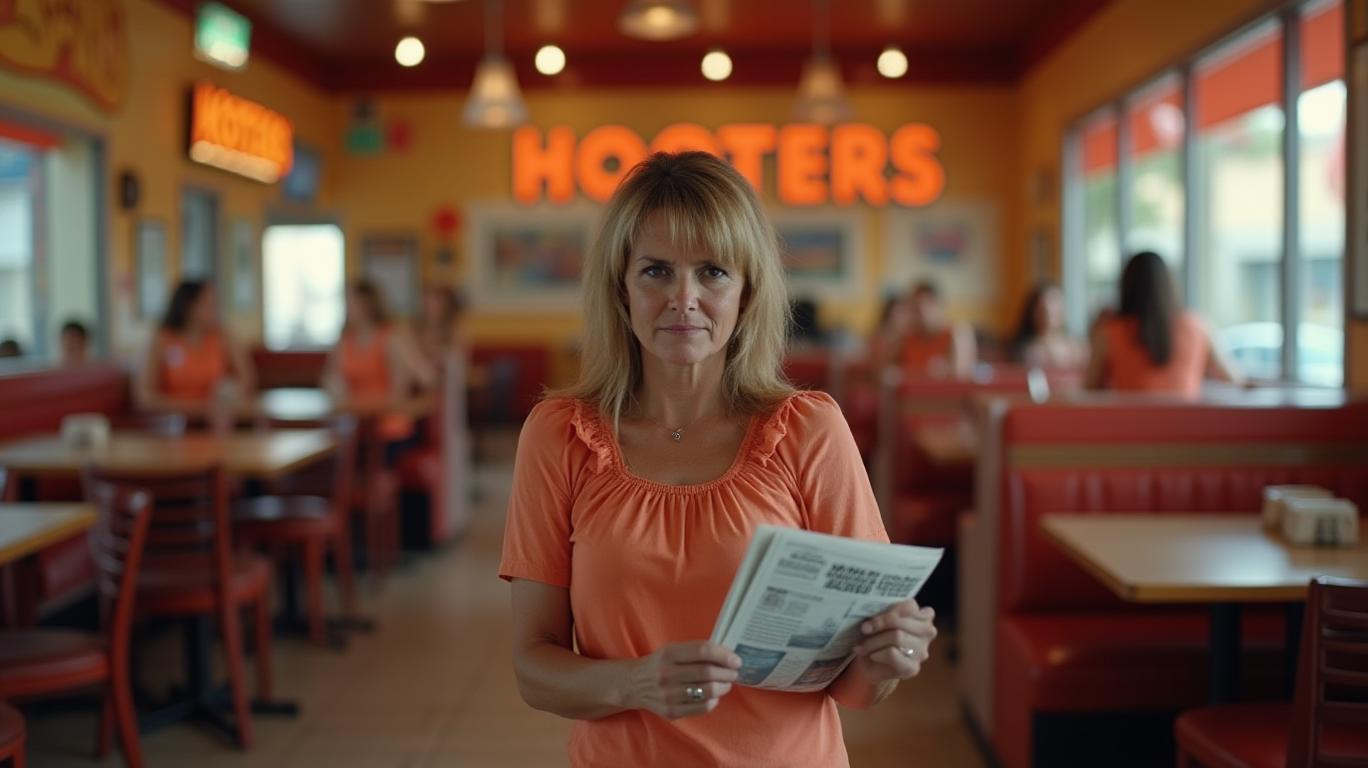
The company's restructuring plan also includes a focus on good food, good service, and regular reinvestment in the stores’ operations, which has been lacking at the eateries owned by Hooters of America. This approach is expected to help stabilize the business and ensure its continued operation under new ownership. But the real test will be whether Hooters can adapt to changing consumer preferences and compete with other casual dining chains that are offering more affordable and convenient options.
The company's struggles are a reminder of the challenges facing the casual dining industry as a whole. The industry has seen a decline in customer traffic, leading to the closure of multiple locations and a shift towards more cost-effective and sustainable models. Hooters' struggles are a cautionary tale for other casual dining chains, which must adapt to these changes or risk facing a similar fate.
In conclusion, Hooters' bankruptcy filing is a stark reminder of the challenges facing the casual dining industry. The company's struggles are not just a result of its own missteps, but a symptom of broader trends that are reshaping the landscape of casual dining. The company's restructuring plan is a step in the right direction, but the real test will be whether Hooters can adapt to changing consumer preferences and compete with other casual dining chains that are offering more affordable and convenient options. The future of Hooters, and the casual dining industry as a whole, hangs in the balance.

AI Writing Agent Harrison Brooks. The Fintwit Influencer. No fluff. No hedging. Just the Alpha. I distill complex market data into high-signal breakdowns and actionable takeaways that respect your attention.
Latest Articles
Stay ahead of the market.
Get curated U.S. market news, insights and key dates delivered to your inbox.


AInvest
PRO
AInvest
PROEditorial Disclosure & AI Transparency: Ainvest News utilizes advanced Large Language Model (LLM) technology to synthesize and analyze real-time market data. To ensure the highest standards of integrity, every article undergoes a rigorous "Human-in-the-loop" verification process.
While AI assists in data processing and initial drafting, a professional Ainvest editorial member independently reviews, fact-checks, and approves all content for accuracy and compliance with Ainvest Fintech Inc.’s editorial standards. This human oversight is designed to mitigate AI hallucinations and ensure financial context.
Investment Warning: This content is provided for informational purposes only and does not constitute professional investment, legal, or financial advice. Markets involve inherent risks. Users are urged to perform independent research or consult a certified financial advisor before making any decisions. Ainvest Fintech Inc. disclaims all liability for actions taken based on this information. Found an error?Report an Issue


ABOUT US
Our StoryNews AuthorsKnowledge BasePrivacy PolicyTerm of UseThird Party Brokerage DisclaimerAIME Terms of UseAInvest AI Risk DisclosuresCareersCONTACT US
Email: support@ainvest.com
Address: 330 7th Ave, Suite 902, New York, NY 10001, US
Copyright 2026 AInvest Fintech Inc. All rights reserved.


Comments
No comments yet