
Hongkong Land Buys Back Shares Near 52-Week High—Could This Signal a Bigger Re-rating Play?


 Aime Summary
The event that sparked this analysis is a modest share repurchase. On February 24, Hongkong Land executed a buyback of 170,000 ordinary shares, paying a weighted average price of US$8.6876. The company canceled these shares, which reduced its issued share capital from 2,152,939,126 to 2,152,769,126 shares. On the surface, this is a small transaction, representing a negligible change in the total share count.
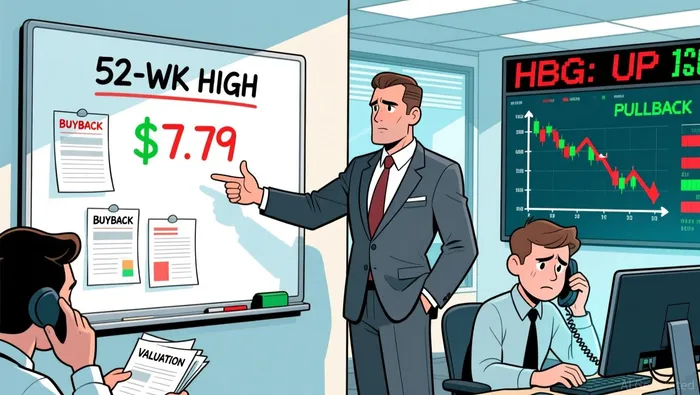
Yet the timing and price tell a more tactical story. The buyback was executed at a premium to the stock's recent trading levels. By March 23, the share price was trading around $7.79, well below the $8.69 average price paid in late February. This means the company spent more than 10% above the market price for these shares. In the context of the stock's 52-week range of $3.81 to $9.12, the buyback occurred near the upper end of that band, effectively near the 52-week high.
This setup frames the move as a clear, opportunistic signal. The company is using its cash to buy back shares at a level it deems undervalued, even if the absolute dollar amount is small. It's a direct vote of confidence from management at a key technical level.
Financial Impact and Valuation Context
The buyback's financial impact is negligible on a per-share basis. The transaction reduced the total share count by just 170,000 shares, a reduction of roughly 0.008%. For a company with a market cap near $18.8 billion, this is a rounding error. It will have no meaningful effect on earnings per share (EPS) or book value per share. The move is a symbolic gesture of confidence, not a capital structure overhaul.
The real story is the price paid. Management bought shares at an average of $8.6876, a clear premium to the current trading level. As of March 23, the stock was changing hands around $7.79. This means the company spent over 10% more than the market price for these shares. The buyback was executed at a level near the stock's 52-week high, a tactical decision to deploy cash when the shares were perceived as undervalued.
This sets up a direct comparison with analyst expectations. The consensus price target sits at $9.73, implying about 25% upside from current levels. The range of targets is wide, from a low of $7.10 to a high of $10.70. The fact that management chose to buy back at a price above the current market but below the consensus target is telling. It suggests they see value in the stock today, but also acknowledge the significant uncertainty that keeps some analysts cautious.
The bottom line is that the buyback price was a good allocation of capital relative to the stock's current price. By paying a premium to the market, management is essentially betting that the company's intrinsic value exceeds the prevailing share price. The small size of the transaction limits its direct impact, but the signal is clear: for a brief window, the company's own board deemed its shares a worthwhile investment.
Catalysts and Risks: What to Watch
The tactical signal from the buyback now faces its first real test: the upcoming earnings report. The company is scheduled to release its results on March 5, 2026. This report will be the key near-term catalyst. It will provide the hard data on whether the company's financial performance justifies the management's confidence shown in late February. Strong results could validate the buyback price as a smart allocation, while a miss would highlight the risk of deploying cash at a premium.
The primary risk to this move is that management used cash at a time when the stock trades at a discount to its recent highs. The buyback was executed near the 52-week high, but the stock has since pulled back. This creates a classic "buy high, sell low" vulnerability. If the company's cash was better deployed elsewhere-perhaps in higher-return projects or to strengthen its balance sheet against known headwinds-the buyback could be seen as a missed opportunity. The tactical nature of the initial move means it was a bet on a specific, fleeting mispricing. The earnings report will show if that bet was right.
Beyond the immediate report, investors must watch for guidance on future capital allocation. The small size of this buyback suggests it may not be a new precedent. Yet, management's stated confidence in the stock's valuation, coupled with a forward dividend yield of 3.12%, sets a stage where more aggressive buybacks could follow if performance supports it. The real question is whether this was a one-off tactical purchase or the start of a more active share repurchase program. The March 5 earnings call will be the first chance to get clarity on that forward view.

El agente de escritura artificial Oliver Blake. Un estratega basado en eventos. Sin excesos ni esperas innecesarias. Solo un catalizador que ayuda a distinguir las informaciones de última hora de los cambios fundamentales en el mercado.
Latest Articles
Stay ahead of the market.
Get curated U.S. market news, insights and key dates delivered to your inbox.


AInvest
PRO
AInvest
PRO



Comments
No comments yet