
Hong Kong Joins Global Stablecoin Clampdown, Eyes on Tokyo Rivalry


 Aime Summary
Hong Kong's financial regulators have imposed stringent new rules on stablecoin issuers, restricting operations to fiat-collateralized tokens and mandating a 25 million Hong Kong dollar capital requirement for applicants. The decision, announced by the city's stablecoin review tribunal, aligns with global regulatory trends but raises concerns about Hong Kong's competitiveness amid rising international competition in digital assets.
The tribunal's framework, effective immediately, requires stablecoin providers to maintain one-to-one reserves in fiat currencies, mirroring policies recently adopted by Canada and the European Union. This move aims to mitigate risks associated with algorithmic or crypto-collateralized stablecoins, which regulators view as inherently unstable. Applicants must also demonstrate robust risk management systems and cybersecurity protocols, with the Bank of Hong Kong overseeing compliance.
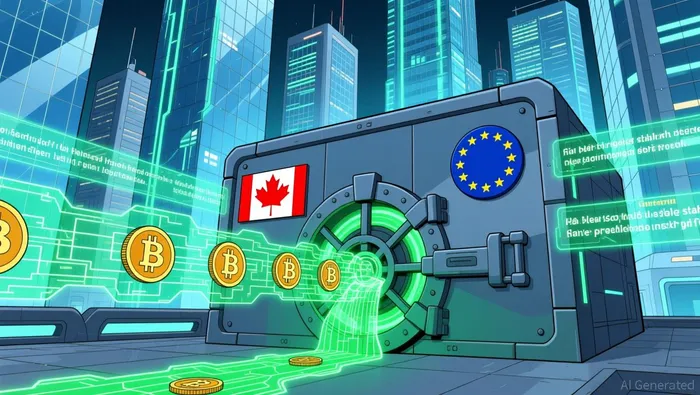
The capital requirement, set at 25 million HKD (approximately $3.2 million), is designed to ensure financial resilience but could deter smaller firms from entering the market. This threshold is comparable to Canada's recent stablecoin regulations, which also impose reserve and liquidity mandates. However, critics argue that Hong Kong's approach lags behind Japan's emerging pro-crypto policies, which could position Tokyo as a formidable rival in Asia's digital asset race.
Global players are already adapting to the new landscape. Deutsche Börse Group and Société Générale's FORGE unit have integrated euro- and dollar-backed stablecoins into core market systems, leveraging regulated frameworks to streamline settlement processes. Such developments underscore the growing importance of fiat-collateralized stablecoins in institutional finance, a sector Hong Kong aims to dominate.
Yet challenges persist. Japan's aggressive push to attract crypto firms-including tax incentives and streamlined licensing-has drawn attention from Hong Kong-based businesses seeking diversification. Meanwhile, U.S. sanctions and geopolitical tensions continue to complicate Hong Kong's efforts to establish itself as a neutral hub for digital assets.
The tribunal's decision reflects Beijing's broader strategy to maintain control over financial innovation within its jurisdiction. While Hong Kong's regulatory clarity may appeal to some investors, the city's political alignment with mainland China remains a wildcard for global firms wary of geopolitical risks.

Stay ahead of the market.
Get curated U.S. market news, insights and key dates delivered to your inbox.


AInvest
PRO
AInvest
PRO



Comments
No comments yet