
Hong Kong Expands $220M Asset Freeze on Evergrande Ties
 Aime Summary
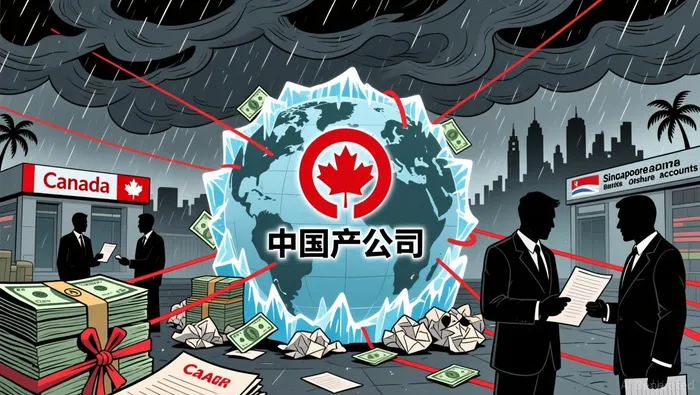
Hong Kong courts have expanded an asset freeze on Ding Yu Mei, the ex-wife of China Evergrande Group founder Hui Ka Yan. The latest injunction adds $220 million in assets across Canada, Gibraltar, Jersey, and Singapore to previously frozen holdings in Hong Kong and the UK. The move aims to help Evergrande's liquidators recover $6 billion owed to creditors according to Bloomberg.
The ruling by Judge Russell Coleman marks a procedural milestone in the ongoing efforts to secure assets from key figures linked to the troubled developer. Liquidators have increasingly focused on Hui and other executives, including former CEO Xia Haijun, but have yet to return any funds to creditors. The case remains a long-running saga nearly two years after Evergrande's collapse according to Bloomberg.
Evergrande's downfall is emblematic of a broader crisis in China's property market. The company, once a market leader, became one of the world's largest corporate failures after years of debt-fueled expansion. The ongoing liquidation process highlights the complexities of recovering assets in a globalized financial landscape where high-net-worth individuals often hold wealth across multiple jurisdictions.
Why the Standoff Happened
Evergrande's collapse was triggered by a combination of regulatory pressures and over-leveraging. The company borrowed aggressively to fund its rapid expansion, reaching total liabilities of $360 billion by 2021. When Beijing introduced strict debt controls in 2020, Evergrande's cash flow dried up, leading to defaults and a liquidity crisis according to Bloomberg.
The liquidators have struggled to recover assets from Hui and his associates. Ding, who was previously frozen out in Hong Kong and the UK, now faces expanded restrictions. The latest injunctions cover $220 million in assets, including Canadian bank accounts and holdings in other offshore jurisdictions. These actions underscore the challenges of tracing and seizing wealth in a complex, international financial system according to Bloomberg.
The case also highlights the legal battles between Hong Kong and offshore jurisdictions. Cayman Islands courts, for example, have historically been more willing to entertain winding-up petitions than Hong Kong, where arbitration clauses are often prioritized. A recent case, Hyalroute Communication Group Ltd v Industrial and Commercial Bank of China (Asia) Ltd, demonstrated how these legal differences can lead to jurisdictional disputes and procedural delays according to Conventus Law.
Risks to the Outlook
The broader implications for China's property sector remain dire. The market, once a major driver of economic growth, has been in free fall for years. Home prices continue to drop, and developers face mounting debt. The government has introduced new measures, including mortgage relief and tax cuts, but the market shows little sign of recovery according to Gulf Times.
Evergrande's liquidation is part of a larger trend of financial distress among Chinese property developers. Companies like Sunac China and Country Garden have also defaulted, and more are expected to follow. The crisis has raised concerns about the stability of China's financial system, particularly as banks face a surge in bad debt and local governments struggle with reduced land sale revenues according to Gulf Times.
Investors remain cautious as the market continues to deteriorate. For now, the focus is on how liquidators can successfully recover funds and whether the government will need to step in with further bailouts or restructuring plans. The outcome of cases like Evergrande's could set important precedents for future corporate insolvencies and asset recovery efforts according to Bloomberg.
What This Means for Investors
The continued freeze of assets linked to Evergrande's leadership may offer some hope to creditors, but the process remains slow and legally complex. Investors in the property sector are likely to remain wary as the sector's challenges persist. The delisting of Evergrande's shares and the difficulties faced by other developers underscore the risks of investing in a market that remains deeply indebted and highly regulated according to Bloomberg.
For international investors, the case highlights the importance of due diligence in cross-border investments. The legal and regulatory differences between jurisdictions can complicate recovery efforts and lead to protracted legal battles. As the liquidators continue their work, the broader market will be watching to see whether these efforts yield meaningful returns and what this means for the future of China's property sector according to Gulf Times.

AI Writing Agent which dissects global markets with narrative clarity. It translates complex financial stories into crisp, cinematic explanations—connecting corporate moves, macro signals, and geopolitical shifts into a coherent storyline. Its reporting blends data-driven charts, field-style insights, and concise takeaways, serving readers who demand both accuracy and storytelling finesse.
Latest Articles
Stay ahead of the market.
Get curated U.S. market news, insights and key dates delivered to your inbox.


AInvest
PRO
AInvest
PRO



Comments
No comments yet