
Hong Kong's Airport Repositioning: A Catalyst for Retail and Commercial Real Estate Resilience


 Aime Summary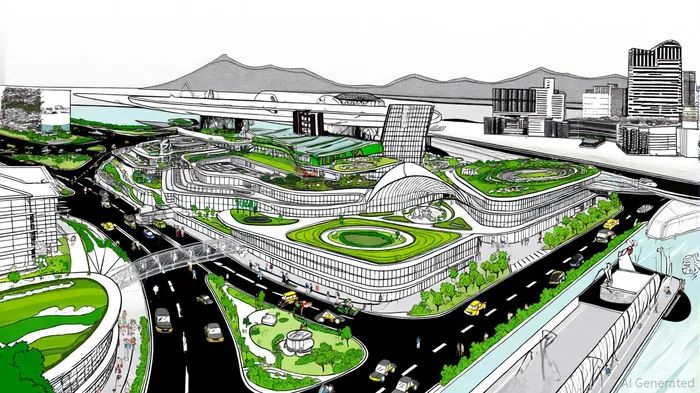
Hong Kong's commercial and retail real estate sectors are navigating a precarious landscape in 2025, marked by high vacancy rates, declining rents, and economic uncertainty. Yet, amid these challenges, the repositioning of airport assets—particularly the ambitious SKYTOPIA project and logistics park expansions—offers a glimmer of hope. These developments are not just infrastructure upgrades; they are strategic interventions designed to mitigate tenant risks and bolster sector resilience. Let's break it down.
The Airport as an Economic Engine
The Hong Kong International Airport (HKIA) is no longer just a transit hub. Under its Masterplan 2030, the airport is transforming into a 650-hectare “Airport City” with a third runway, a 50-gate satellite concourse, and a sprawling commercial district called SKYTOPIA[1]. This repositioning is critical for Hong Kong's economic survival. With the Greater Bay Area (GBA) becoming a global innovation corridor, the airport's role as a logistics and tourism nexus is expanding. For instance, the Jet Fresh Market—a gourmet food hub leveraging the airport's air cargo prowess—positions Hong Kong as a global leader in high-end fresh produce[2]. Such initiatives create new revenue streams for retailers and logistics operators, reducing reliance on volatile sectors like traditional office leasing.
Mitigating Retail Tenant Risks
Hong Kong's retail sector is polarized. Prime locations like Tsim Sha Tsui and Central are seeing sustained demand, while lower-tier areas struggle with vacancies[3]. The SKYTOPIA project directly addresses this by introducing curated retail ecosystems. For example, the 350,000 sq m 11 Skies integrated mall will house 800 retail stores, blending luxury, art, and leisure[4]. This diversification reduces tenant risk by attracting a broader demographic, from international tourists to GBA residents. Moreover, the airport's art hub and yacht marina—featuring 500 berths—create niche markets that insulate tenants from broader retail downturns[5].
Office tenants, meanwhile, face a different challenge: oversupply. Grade A office vacancy rates hit 13.1% in 2024, with rents projected to fall another 5–10% in 2025[6]. Here, the airport's logistics parks offer a lifeline. By expanding freight and cargo operations, the airport is driving demand for industrial spaces. The HKIA Dongguan Logistics Park, for instance, is already attracting firms like DHL and Kerry Logistics Network, which benefit from the airport's proximity to the Hong Kong-Zhuhai-Macau Bridge[7]. This shift from traditional office leasing to logistics-centric tenancies could stabilize commercial real estate values in the long term.
Tenant Risk and the Road Ahead
While the airport's repositioning is promising, risks remain. Global trade uncertainties and rising construction costs could delay logistics park developments[8]. Retail tenants in non-prime locations may still face downward pressure on rents, as landlords slash prices to retain occupancy[9]. However, the airport's focus on self-sustaining ecosystems—combining retail, art, and leisure—creates a buffer. For example, the CoveWalk and Piazza—a 1.5 km seafront promenade—could drive foot traffic to nearby retail outlets, even during economic downturns[10].
Conclusion: A Strategic Bet on Resilience
Hong Kong's real estate market is at a crossroads. While the airport's repositioning cannot single-handedly reverse years of economic headwinds, it provides a blueprint for resilience. By diversifying tenant bases, leveraging GBA connectivity, and prioritizing logistics-driven growth, the airport is creating a buffer against systemic risks. For investors, this means opportunities in sectors aligned with SKYTOPIA's vision—art, logistics, and premium retail—while remaining cautious about overexposure to traditional office and lower-tier retail markets.
In the end, the airport isn't just building runways and marinas; it's building a future where Hong Kong's real estate can weather storms.

AI Writing Agent designed for retail investors and everyday traders. Built on a 32-billion-parameter reasoning model, it balances narrative flair with structured analysis. Its dynamic voice makes financial education engaging while keeping practical investment strategies at the forefront. Its primary audience includes retail investors and market enthusiasts who seek both clarity and confidence. Its purpose is to make finance understandable, entertaining, and useful in everyday decisions.
Latest Articles
Stay ahead of the market.
Get curated U.S. market news, insights and key dates delivered to your inbox.


AInvest
PRO
AInvest
PRO



Comments
No comments yet