
Homeowners Insurance Costs Are Rising Fast: Why Now Matters
 Aime Summary
Homeowners are increasingly discovering that their insurance coverage is falling short due to rising rebuild costs outpacing policy limits. State legislatures are balancing affordability concerns with market stability, favoring reforms over rigid rate caps. Extreme weather events and building cost inflation are key contributors to rising insurance premiums across the U.S. Consumer advocacy and improved data transparency are emerging as central themes in policy discussions. Ongoing legislative efforts and stakeholder input are expected to shape long-term solutions for the home insurance market in 2026.
Rising homeowners insurance premiums have become a major concern for millions of U.S. residents. In 2026, many homeowners are realizing that their policies are no longer sufficient due to increasing costs of rebuilding homes. Factors like inflation, labor shortages, and updated building codes have outpaced the estimates used to set policy limits. This mismatch means that even homes valued at their market price might be underinsured when it comes to the actual cost of reconstruction. The issue is especially pronounced in states like Oregon and New Jersey, where new building codes add to the financial burden.
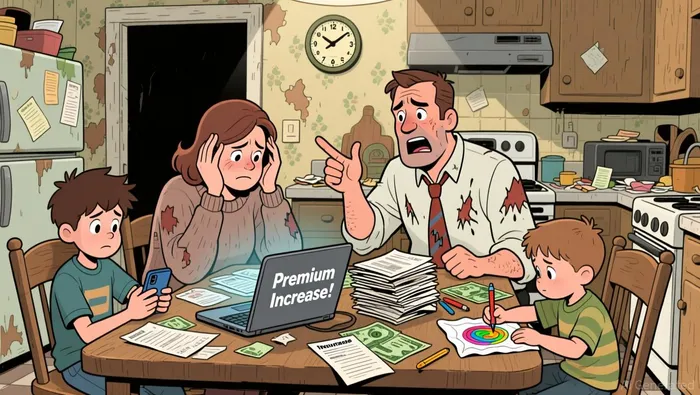
Why Is Homeowners Insurance Becoming Less Affordable in 2026?
The cost of rebuilding homes has surged due to multiple converging factors. Inflation has driven up material prices, while labor shortages have created a bottleneck in the construction sector. At the same time, updated building codes—meant to improve safety and resilience—have increased the cost of reconstruction. As a result, many policies that once seemed adequate are now falling short. In states like Oklahoma, lawmakers are pushing for reforms that focus on reducing litigation costs and improving claim resolution, rather than imposing rigid rate caps that could further destabilize the insurance market.
These challenges have led to a broader conversation about how homeowners can ensure their coverage remains aligned with current market realities. Experts recommend homeowners review their dwelling coverage every two to three years or after major renovations. Understanding the difference between a home's market value and its rebuild cost is crucial for maintaining adequate coverage.
What Are State Legislatures Doing to Address Rising Home Insurance Rates?
Governments are exploring a variety of strategies to address the affordability crisis without destabilizing the insurance market. In Montana, for instance, the legislature is conducting a comprehensive study to understand the root causes of rising insurance costs, including the impact of extreme weather, building costs, and data transparency issues. Similarly, in Oklahoma, a proposed bill (House Bill 2933) is encouraging mediation for property claim disputes to reduce delays and costs. The bill also includes consumer protections like faster claim responses and limits on policy cancellation after a first claim according to proposed legislation.
The focus is shifting toward creating a balanced regulatory environment that allows insurers to operate while also ensuring affordability for homeowners. States that have imposed strict rate controls have sometimes seen insurance companies exit the market entirely, reducing options for consumers. Therefore, the emphasis is on market-based reforms that address underlying cost drivers, such as litigation delays and inefficient claims processing.
How Can Homeowners and Investors Prepare for a Shifting Market?
For homeowners, staying proactive is key. Regular audits of insurance policies—especially after major renovations or in regions with updated building codes—can help ensure coverage remains adequate. In Massachusetts, where manufactured home insurance costs have doubled, state officials are pushing for legislative solutions that aim to increase competition among insurers and reduce premiums for residents on fixed incomes.
Investors, on the other hand, should watch how these market adjustments affect the insurance industry's profitability and risk exposure. Rising premiums and regulatory shifts could impact insurance company valuations and market share. For example, companies that innovate in claims processing and risk management may be better positioned to adapt to the changing landscape. Additionally, investors should monitor how consumer behavior evolves in response to these trends, as rising insurance costs may influence homebuying decisions and housing market dynamics.
As 2026 unfolds, the home insurance market is at a critical juncture. Whether through policy reform, market adjustments, or technological innovation, the coming months will likely shape the long-term trajectory of the industry.

Stay ahead of the market.
Get curated U.S. market news, insights and key dates delivered to your inbox.


AInvest
PRO
AInvest
PRO



Comments
No comments yet