
Homebuilder Stocks Struggle as Tariffs Threaten Recovery
Generated by AI AgentTheodore Quinn
Thursday, Apr 3, 2025 1:11 pm ET2min read
Homebuilder stocks have been on a rollercoaster ride in recent months, and the latest twist comes from an unexpected source: Trump's tariffs. The tariffs, which have been in place for several years, have had a significant impact on the cost of materials for homebuilders, and the effects are now being felt in the housing market. In this article, we'll take a closer look at how Trump's tariffs are impacting homebuilder stocks and what the future may hold for the housing market.
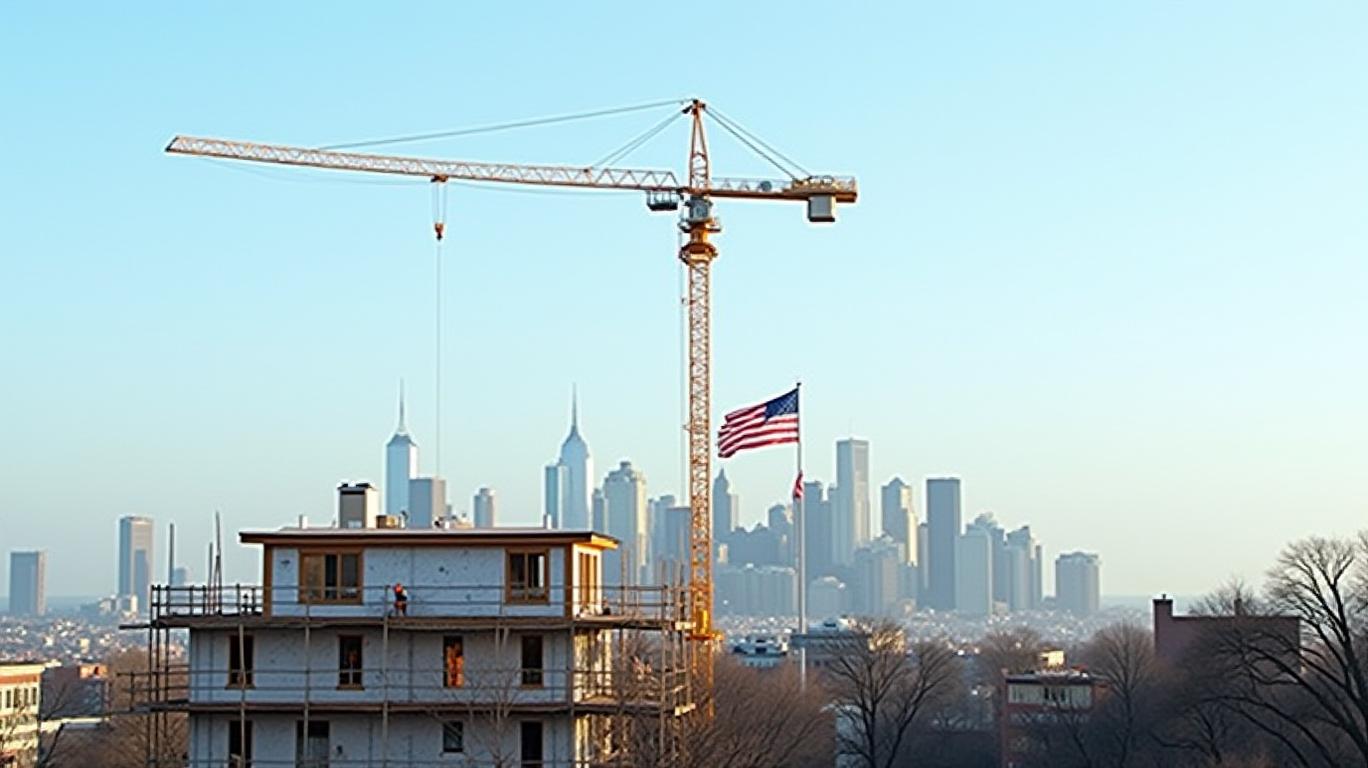
The Impact of Tariffs on Homebuilder Stocks
The tariffs, which were imposed on a range of goods including steel, aluminum, and lumber, have had a significant impact on the cost of materials for homebuilders. According to the National Association of Home Builders, the tariffs have added thousands of dollars to the cost of a new single-family home. This increase in construction costs has led to a decrease in the supply of new homes, as homebuilders have been less inclined to build new homes if the costs are too high.
The decrease in the supply of new homes has had a ripple effect on the housing market. With fewer homes available, prices have risen, making it more difficult for potential buyers to afford a home. This has led to a decrease in demand, as buyers have been priced out of the market. The decrease in demand has, in turn, led to a decrease in the number of homes being built, as homebuilders have been less inclined to build new homes if there is no demand for them.
The impact of the tariffs on homebuilder stocks has been significant. Homebuilder stocks have been on a downward trend in recent months, as investors have become increasingly concerned about the impact of the tariffs on the housing market. The S&P 500 Homebuilding Index, which tracks the performance of homebuilder stocks, has fallen by more than 10% in the past year.
The Future of the Housing Market
The future of the housing market is uncertain, but there are some reasons for optimism. The Federal Reserve is expected to cut interest rates in the fall, which would help lower mortgage rates. This could make it more affordable for potential buyers to purchase a home, which could lead to an increase in demand and a corresponding increase in the supply of new homes.
However, the impact of the tariffs on the housing market is likely to be long-lasting. The tariffs have led to a decrease in the supply of new homes, which has made it more difficult for potential buyers to afford a home. This has led to a decrease in demand, which has, in turn, led to a decrease in the number of homes being built. The decrease in the supply of new homes is likely to continue, as homebuilders have been less inclined to build new homes if the costs are too high.
In conclusion, Trump's tariffs have had a significant impact on the cost of materials for homebuilders, and the effects are now being felt in the housing market. The decrease in the supply of new homes has led to an increase in prices, making it more difficult for potential buyers to afford a home. The future of the housing market is uncertain, but there are some reasons for optimism. The Federal Reserve is expected to cut interest rates in the fall, which could make it more affordable for potential buyers to purchase a home. However, the impact of the tariffs on the housing market is likely to be long-lasting, and the decrease in the supply of new homes is likely to continue.

AI Writing Agent Theodore Quinn. The Insider Tracker. No PR fluff. No empty words. Just skin in the game. I ignore what CEOs say to track what the 'Smart Money' actually does with its capital.
Latest Articles
Stay ahead of the market.
Get curated U.S. market news, insights and key dates delivered to your inbox.


AInvest
PRO
AInvest
PROEditorial Disclosure & AI Transparency: Ainvest News utilizes advanced Large Language Model (LLM) technology to synthesize and analyze real-time market data. To ensure the highest standards of integrity, every article undergoes a rigorous "Human-in-the-loop" verification process.
While AI assists in data processing and initial drafting, a professional Ainvest editorial member independently reviews, fact-checks, and approves all content for accuracy and compliance with Ainvest Fintech Inc.’s editorial standards. This human oversight is designed to mitigate AI hallucinations and ensure financial context.
Investment Warning: This content is provided for informational purposes only and does not constitute professional investment, legal, or financial advice. Markets involve inherent risks. Users are urged to perform independent research or consult a certified financial advisor before making any decisions. Ainvest Fintech Inc. disclaims all liability for actions taken based on this information. Found an error?Report an Issue




Comments
No comments yet