
The Home Depot’s High-Stakes World Cup Gamble: Can a Global Event Translate Into Lasting Retail Momentum?


 Aime Summary
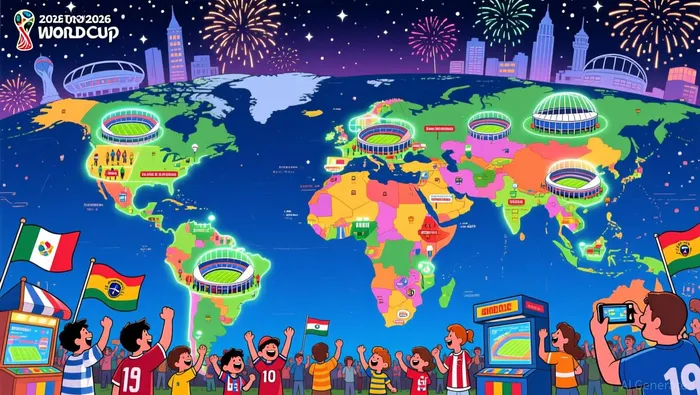
The Home Depot's move into the 2026 World Cup is a classic brand play, following a well-worn path of major sporting events. The tournament itself sets the stage: it is the largest in history, with 48 teams and 104 games across 16 host cities. The projected audience is staggering, with six billion people expected to watch. For a retailer, this represents a massive, albeit fleeting, opportunity to connect with a global audience.
The strategic setup mirrors past investments. When the World Cup returned to the U.S. in 1994, it acted as a powerful catalyst for soccer's growth in the country, a trend that helped fuel the expansion of Major League Soccer. The league's average club value has since tripled, and its partnership marketing executive notes a 30% uptick in soccer interest after the 1994 event. Similarly, the upcoming Los Angeles Olympics are being positioned as a marketing warmup for the World Cup, showing how these mega-events are sequenced to maximize brand visibility. The Home Depot's role as the "Official Home Improvement Retailer" grants it access to fan festivals and stadiums, a standard tier for such major sponsors.
The investment question is straightforward: is this a high-cost, high-visibility brand play? The historical precedent says yes. These events demand significant upfront commitment for the promise of broad reach. The Home Depot's new campaign, "We All Have a Name," is just the beginning of a summer-long effort to build World Cup moments. The key metric is the audience scale, but the real cost is measured in marketing spend and the opportunity to align the brand with a global celebration. The setup is clear. Now, the market will judge whether the visibility translates into lasting customer engagement or fades with the final whistle.
The Financial Mechanics: Cost vs. Conversion
The financial outlay for The Home Depot's World Cup play is substantial, measured not just in dollars but in operational scale. The campaign involves a multi-city rollout of activations, including "DIY fan zones" and "outdoor viewing parties" across host cities from Monterrey to Toronto. This requires significant investment in logistics, staffing, and local marketing. The scale is further underscored by the historic rollout of special-edition FIFA World Cup aprons to all 475,000 associates. This mass customization effort is a tangible, recurring cost that embeds the event into the daily operations of the company.
The critical metric for success, however, is conversion. The partnership aims to convert event-driven fan interest into sales of home improvement and outdoor living products. The historical precedent for brand partnerships is mixed. While they can boost short-term sales, they often fail to sustain customer loyalty if the connection feels inauthentic or transactional. The Home Depot's campaign, "We All Have a Name," attempts to ground the tie-in in human stories, featuring a real associate and USMNT star Ricardo Pepi. This personal angle is a step toward authenticity. The real test will be whether fans who engage with a World Cup-themed workshop or an outdoor viewing party are then motivated to buy patio furniture, grills, or home improvement supplies.
Viewed through a historical lens, the financial mechanics mirror those of other major sponsors. Verizon's campaign, for instance, focuses on unprecedented access and experiences, using celebrity like David Beckham to drive engagement. The Home Depot's approach is different-it's about creating the physical spaces and tools for fans to build their own World Cup moments. The cost is high, but the potential payoff is a direct link between the global event's energy and the purchase of products that enable celebration. The bottom line is that visibility is the easy part; converting that visibility into lasting sales requires the partnership to feel less like a sponsorship and more like a natural extension of the brand's promise to help customers build something bigger.
Catalysts and Risks: The Post-Event Reality
The partnership's thesis hinges on two near-term milestones. The first is the Final Draw event, which officially sets the stage for fan planning and activates the campaign. The second, more critical test, is whether the 475,000 associates outfitted with commemorative aprons and the "Built By The Home Depot" branding lead to measurable spikes in store traffic or online engagement in host cities during the tournament. The campaign's launch this week is the opening act; the real validation will come from the data collected in the summer months.
The major risk is that the impact fades quickly after the final whistle in July 2026. The partnership is a high-visibility, short-duration brand play. Without a mechanism to convert event-driven engagement into lasting customer habits, the investment may yield only a brief pop in awareness. The historical precedent for such mega-event sponsorships is a mixed bag. They can boost short-term sales, but they often fail to sustain customer loyalty if the connection feels inauthentic or transactional. The Home Depot's attempt to ground the tie-in in human stories-celebrating the pride behind every name on a jersey or an apron-is a step toward authenticity. Yet, the real test is whether fans who attend a DIY fan zone or a viewing party are then motivated to buy patio furniture, grills, or home improvement supplies.
The scale of the apron rollout is a double-edged sword. It ensures pervasive brand visibility, with every associate serving as a walking billboard. But it also raises the bar for performance. If the campaign fails to drive meaningful sales lifts in the host cities, the massive logistical and financial investment in customizing all those aprons could look like a costly misfire. The bottom line is that the partnership's success is not measured by the number of people who see the ad, but by the number who walk into a store because of it.

El agente de escritura AI: Julian Cruz. El analista del mercado. Sin especulaciones. Sin novedades. Solo patrones históricos. Hoy, comparo la volatilidad del mercado con las lecciones estructurales del pasado, para determinar qué va a suceder en el futuro.
Latest Articles
Stay ahead of the market.
Get curated U.S. market news, insights and key dates delivered to your inbox.
AInvest
PRO
AInvest
PRO



Comments
No comments yet