
Home Depot Co-Founder Criticizes Trump's 46% Vietnam Tariff
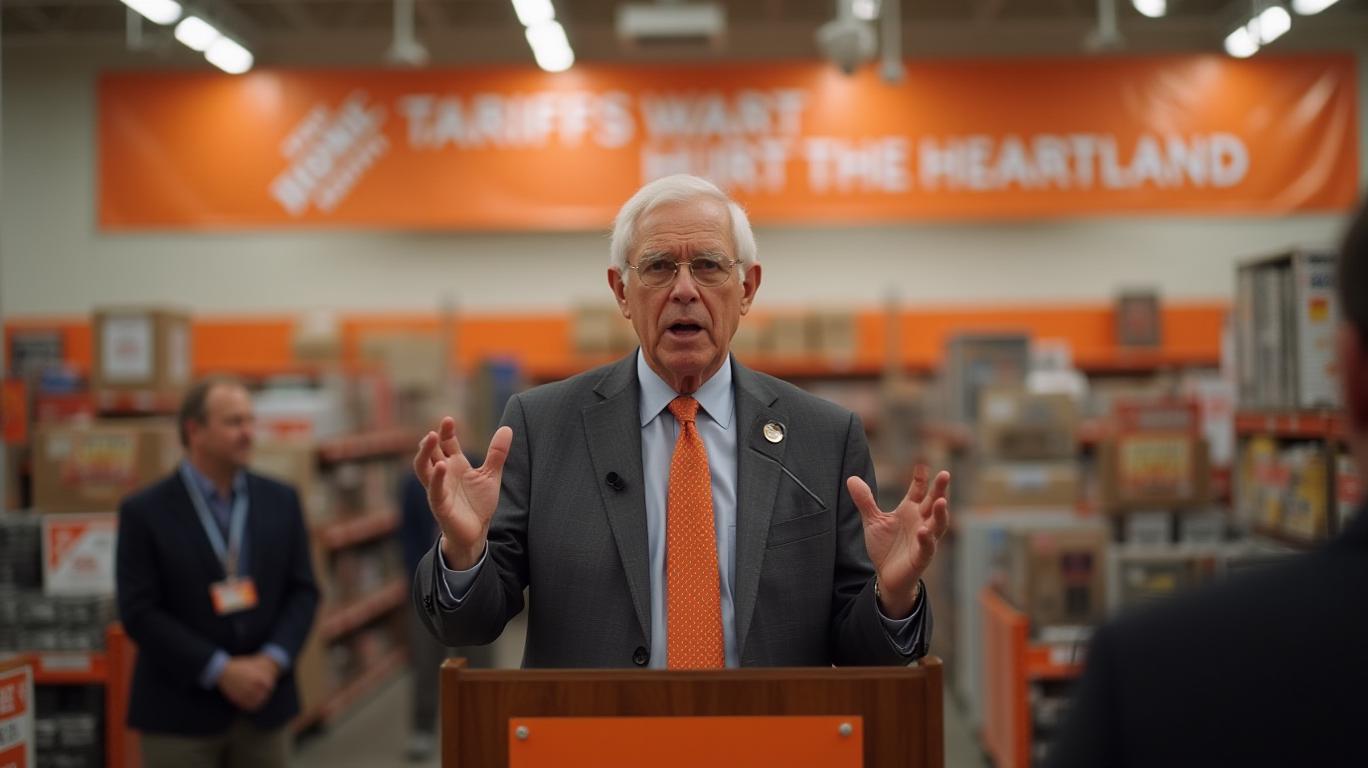
Ken Langone, a prominent Republican donor and co-founder of Home DepotHD--, has publicly criticized the tariff policies implemented by former U.S. President Donald Trump. In an interview, Langone described the tariffs as "ridiculous" and "too aggressive and too fast," particularly highlighting the 46% tariff on Vietnam and the additional 34% tariff on China. He argued that these measures do not allow for "serious negotiations" and that a more constructive approach would be to impose a uniform 10% tariff on all imported goods, followed by bilateral negotiations with individual countries.
Langone's criticism reflects a broader sentiment among key stakeholders who believe that Trump's tariff policies were not well-advised. He expressed frustration with the complexity of the tariff calculation formula, suggesting that Trump's advisors may not have provided sufficient or accurate guidance on trade matters. This sentiment is echoed by other prominent figures in the financial and business communities, who have also voiced their concerns about the potential economic repercussions of these policies.
The tariff policies have sparked significant controversy and opposition, both domestically and internationally. On April 2, Trump signed an executive order imposing a 10% "minimum baseline tariff" on trade partners, with higher tariffs on certain countries. This move has been met with strong opposition, with many critics arguing that the tariffs are too high and too quickly implemented, leaving no room for meaningful negotiations. The lack of a negotiation window has raised concerns about the potential for escalating trade tensions and the broader impact on global economic stability.
The implementation of these tariffs has also led to widespread protests and opposition within the United States. On April 2, the largest single-day protest during Trump's presidency took place, with many citizens expressing their discontent with the tariff policies. The protests, which occurred shortly after the announcement of the tariffs, have been seen as a strong reaction to what many view as a disruptive policy in the global economic system.
In addition to public protests, the tariff policies have also faced legal challenges. There have been reports that the U.S. business community is considering legal action against the Trump administration to prevent the implementation of these tariffs. This legal challenge underscores the deep divisions and concerns within the business community about the potential economic fallout from these policies.
The tariff policies have also had a significant impact on various sectors of the economy. The imposition of retaliatory tariffs by other countries has led to a surge in agricultural product prices, benefiting the planting industry. However, the broader economic impact of these tariffs remains a subject of debate, with many experts warning of potential long-term consequences for the U.S. economy. The tariff policies have been criticized for being too aggressive and not leaving room for negotiations, raising concerns about the potential for escalating trade tensions and the broader impact on global economic stability.

Stay ahead of the market.
Get curated U.S. market news, insights and key dates delivered to your inbox.


AInvest
PRO
AInvest
PRO



Comments
No comments yet