
Home Depot's $5.5B Acquisition of GMS Inc.: A Strategic Power Move to Dominate the Home Improvement Supply Chain


 Aime Summary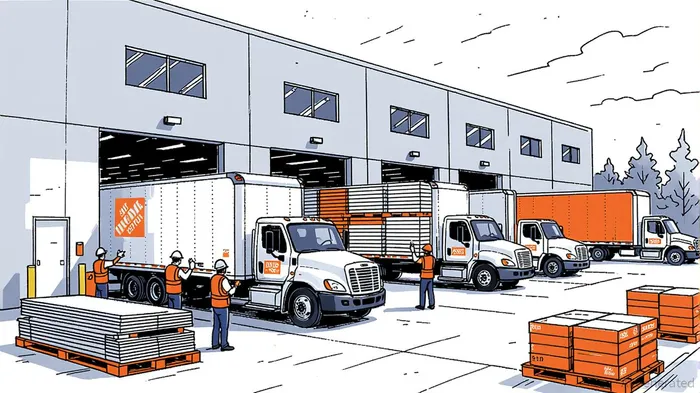
. in 2025 is not merely a transaction—it is a seismic shift in the home improvement sector. By integrating GMS, a leading distributor of specialty building products, into its existing SRS Distribution Inc. subsidiary, . This move underscores the company's strategic vision to create a vertically integrated ecosystem that combines scale, speed, and product diversification to deliver long-term shareholder value.
Strategic Rationale: Strengthening the Supply Chain and Expanding the Pro Ecosystem
GMS Inc. , rental, and service centers across North America, specializing in drywall, ceilings, steel framing, and complementary interior construction materials. Its acquisition by The Home Depot—via SRS, which already distributes roofing, landscaping, and exterior materials—creates a one-stop shop for professional contractors. , enabling same-day or next-day delivery for complex projects. This logistical prowess addresses a critical pain point for contractors: the need for reliable, timely access to materials across the entire project lifecycle, from large-scale commercial builds to smaller residential renovations.
The integration also enhances Home Depot's ability to offer . For example, , reducing coordination costs and improving efficiency. , a key metric for long-term revenue growth.
Financial and Operational Synergies: A Recipe for Shareholder Value
The acquisition's financial logic is compelling. , . While this premium valuation reflects GMS's strategic value, through cross-selling and operational efficiencies. For instance, , .
Moreover, the expanded infrastructure allows Home DepotHD-- to leverage . By consolidating GMS's localized distribution network with SRS's national footprint, the company can reduce per-unit delivery costs while maintaining high service standards. This is particularly critical in high-growth markets like the U.S. SouthwestLUV-- and Canada, where GMS's presence complements SRS's existing operations.
Competitive Positioning: Outpacing Rivals in a Digitally Driven Market
The acquisition positions Home Depot to outperform rivals like Lowe's and USG Corp. by accelerating its digital transformation. GMS's integration with SRS's digital ordering systems enables Pros to manage projects through a unified platform, offering real-time inventory tracking, click-and-collect services, and omnichannel fulfillment. This aligns with industry trends where digital tools and fast delivery are table stakes for winning Pro business.
Home Depot CEO emphasized that the acquisition “enables us to serve the entire project lifecycle for Pros,” from large, complex jobs to smaller repairs. This holistic approach not only deepens customer relationships but also creates switching costs, as contractors become reliant on Home Depot's integrated solutions.
Risks and Mitigation: Navigating Challenges
While the acquisition is strategically sound, risks persist. Rising material costs, labor shortages, and trade-related tariffs could pressure margins. However, . The company's focus on optimizing inventory and routing further mitigates these risks.
Investment Implications: A Long-Term Winner
For investors, the acquisition represents a high-conviction play on the home improvement sector's structural growth. By enhancing supply chain efficiency, expanding product diversification, and deepening Pro relationships, . , supported by cross-selling and operational synergies.
Conclusion:
Home Depot's acquisition of GMS Inc. is a masterstroke in supply chain innovation and Pro-centric strategy. By creating a unified, agile distribution network, the company is not only addressing immediate contractor needs but also future-proofing its business against industry headwinds. For long-term investors, this move signals a commitment to sustainable growth and operational excellence—qualities that will drive shareholder value for years to come.

Stay ahead of the market.
Get curated U.S. market news, insights and key dates delivered to your inbox.
AInvest
PRO
AInvest
PRO



Comments
No comments yet