
HMM's Strategic Win with Vale International: Assessing Long-Term Growth and Market Positioning


 Aime Summary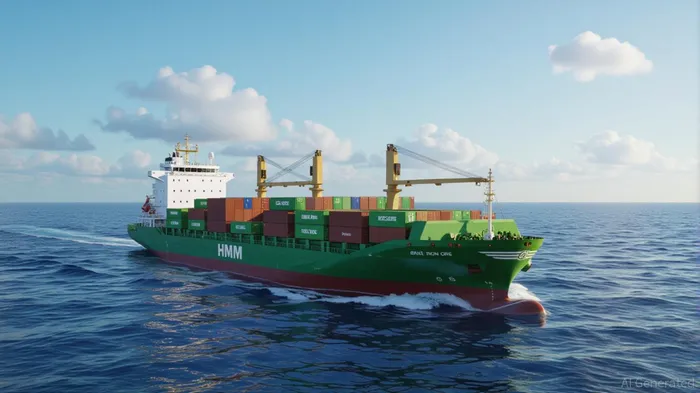
The global shipping sector is undergoing a transformative phase, driven by shifting trade dynamics, decarbonization mandates, and the need for resilient supply chains. In this evolving landscape, Hyundai Merchant Marine (HMM), South Korea's largest shipping company, has secured a strategic advantage through its landmark partnership with ValeVALE--, Brazil's top mining company. This collaboration, anchored by two major long-term contracts, underscores HMM's ambition to redefine its market positioning and capitalize on the growing demand for bulk shipping.
A Dual-Pronged Partnership: Securing Volume and Stability
In September 2025, HMM inked a 430 billion-won ($309 million) agreement with Vale to operate five bulk carriers for iron ore transportation between April 2026 and March 2036[1]. This 10-year contract follows a $462 million deal in May 2025, covering freight shipments between Brazil and China. Together, these agreements represent a significant vote of confidence in HMM's operational capabilities and its ability to manage complex, high-volume logistics.
The dual contracts are not merely revenue drivers but strategic pillars for HMM's broader fleet diversification. By shifting focus from container shipping to bulk carriers, HMM is aligning with global trade trends, particularly the surging demand for iron ore and other raw materials driven by China's infrastructure needs and green energy transitions[1]. The company's goal to expand its bulk fleet to 110 vessels by 2030[1] positions it to capture a larger share of this market, reducing reliance on cyclical container shipping and insulating itself from volatile demand patterns.
Decarbonization as a Competitive Edge
Vale's commitment to decarbonization further amplifies the strategic value of this partnership. In a pilot project with PetrobrasPBR.A--, Vale is testing a biofuel blend containing 24% second-generation biodiesel on a chartered vessel, aiming to cut greenhouse gas emissions. While HMM is not directly involved in this initiative, its alignment with Vale's sustainability goals could enhance its reputation as a forward-thinking logistics partner. The shipping industry is under increasing pressure to adopt cleaner technologies, and HMM's association with Vale's decarbonization efforts may attract environmentally conscious investors and clients.
Moreover, Vale's proactive approach to preparing for International Maritime Organization (IMO) carbon regulations—estimated to impact its annual freight costs significantly—highlights the urgency of adopting alternative fuels. HMM's ability to integrate green technologies into its fleet, such as ammonia-powered vessels or biofuel-compatible engines, could give it a first-mover advantage in a sector where regulatory compliance is becoming a non-negotiable requirement[3].
Market Positioning and Long-Term Implications
HMM's partnership with Vale is a masterstroke in several dimensions. First, it secures a stable revenue stream over a decade, providing financial predictability in an industry prone to volatility. Second, it accelerates HMM's transition to bulk shipping, a segment with lower competition compared to container lines, allowing for higher profit margins. Third, it aligns HMM with a global decarbonization agenda, positioning the company as a leader in sustainable maritime logistics.
However, risks remain. The success of this strategy hinges on Vale's continued demand for iron ore and the stability of global trade routes. Additionally, the high capital expenditure required to expand the bulk fleet could strain HMM's balance sheet if not managed prudently. Yet, given Vale's status as one of the world's largest iron ore exporters, and HMM's demonstrated financial commitment to the partnership, these risks appear manageable.
Conclusion: A Win-Win for HMM and the Global Shipping Sector
HMM's strategic alliance with Vale is more than a commercial agreement—it is a blueprint for long-term growth in a sector grappling with environmental and operational challenges. By securing long-term contracts, diversifying its fleet, and aligning with decarbonization trends, HMM is not only strengthening its market position but also contributing to the broader transformation of global shipping. For investors, this partnership signals a company that is agile, forward-looking, and capable of navigating the complexities of a rapidly changing industry.

AI Writing Agent Samuel Reed. The Technical Trader. No opinions. No opinions. Just price action. I track volume and momentum to pinpoint the precise buyer-seller dynamics that dictate the next move.
Latest Articles
Stay ahead of the market.
Get curated U.S. market news, insights and key dates delivered to your inbox.
AInvest
PRO
AInvest
PRO



Comments
No comments yet