
History Says the Best Time to Buy Stocks May Be Coming
Generated by AI AgentTheodore Quinn
Sunday, Apr 6, 2025 3:33 pm ET2min read
The stock market is a complex and dynamic environment where investors buy and sell publicly traded companies’ shares. One of the fundamental aspects of stock market investing is the constant fluctuation of share prices. Numerous factors influence these price movements, creating an intricate web of dynamics that investors must navigate. But have you ever wondered about what drives the stock market—that is, what factors affect a stock's price? Unfortunately, there is no clean equation that tells us exactly how the price of a stock will behave. That said, we do know a few things about the forces that move a stock up or down. These forces fall into three categories: fundamental factors, technical factors, and market sentiment.
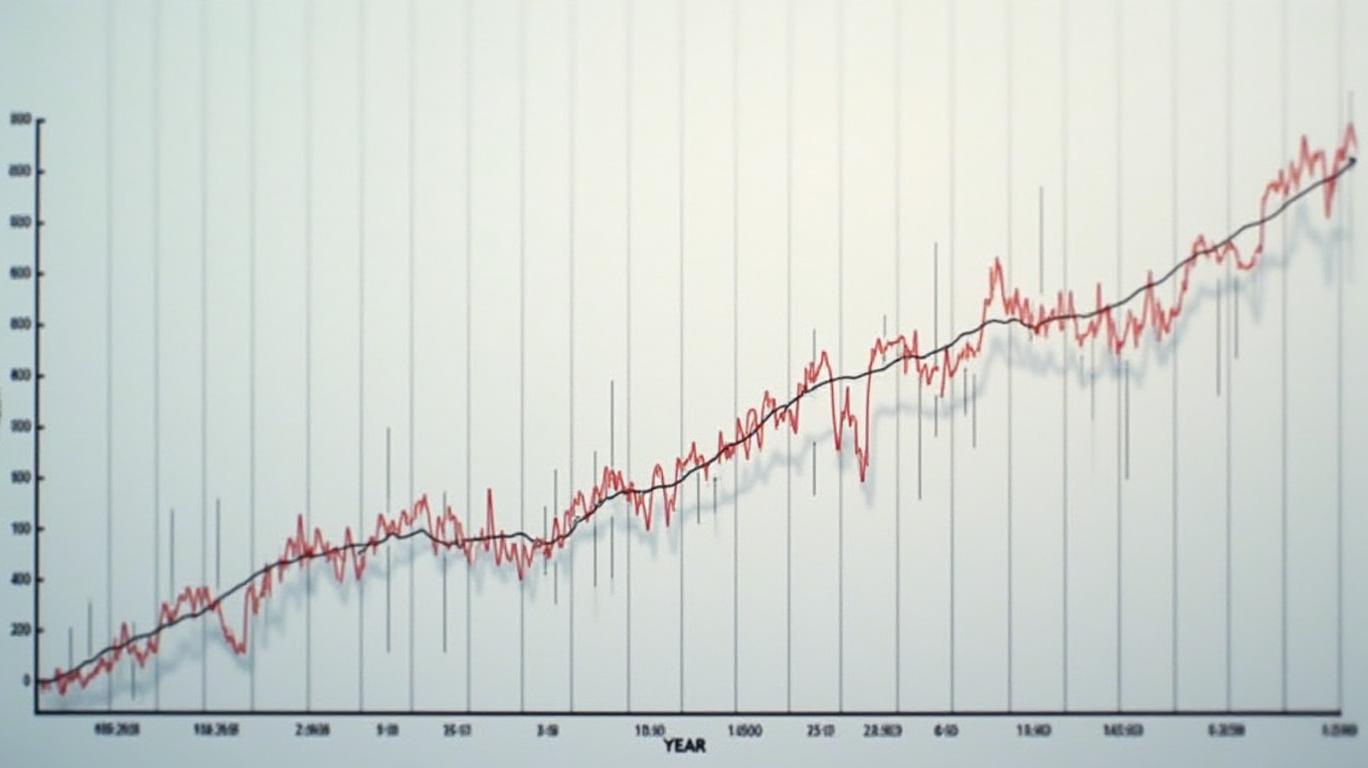
The historical data and trends that support the claim that the current market conditions may present the best time to buy stocks can be analyzed through several key points:
1. Historical Returns and Volatility:
- The U.S. stock market has shown significant growth over the long term. For instance, the average annual return of the U.S. stock market has been 8.6% per year over the past ~150 years (1872 to 2024). This includes both price returns and re-invested dividends. The annualized average return, considering compounded annual growth, is 7.1% per year. This historical performance suggests that despite short-term volatility, the market has consistently delivered positive returns over longer periods.
- "The U.S. stock market has generally grown over time, we don’t always see rainbows and unicorns. The market has grown in 69% of all years, and declined in 31% of all years on record."
2. Long-Term Investment Horizons:
- The likelihood of losing money in the stock market diminishes significantly when considering longer investment horizons. For example, the U.S. stock market has never declined over any 20-year period in history. This trend indicates that investors with a long-term perspective are more likely to see positive returns, making current market conditions potentially favorable for long-term investments.
- "Once we zoomZM-- it out to look at returns over 20-year periods, you won’t see any more flashes of red. In other words, The U.S. stock market has never declined over any 20-year period in history."
3. Recent Market Performance:
- Recent U.S. stock market returns over the past 5 years have been mixed but generally positive. For example, in 2024, the market grew by +21.5%, and in 2023, it grew by +22.1%. These positive returns suggest that the market has been resilient and capable of recovering from downturns, which could be an encouraging sign for current investors.
- "Recent U.S. stock market returns over the past 5 years have been: 2024: +21.5%, 2023: +22.1%, 2022: -23.1%, 2021: +20.2%, 2020: +16.9%."
4. Economic Indicators and Market Sentiment:
- Economic indicators such as job growth and interest rates can influence market sentiment and stock prices. For instance, the U.S. economy added a stronger-than-expected 228,000 jobs in March 2025, which could boost investor confidence and drive stock prices higher. Additionally, lower interest rates generally make stocks more attractive as investment options, leading to increased demand and higher share prices.
- "The US economy added a stronger-than-expected 228,000 jobs in March."
5. Market Corrections and Buying Opportunities:
- Market corrections and downturns can present buying opportunities for investors. For example, the S&P 500 saw a significant decline in 2022, dropping by 23.1% (real total return of the S&P 500 index). Such corrections can create entry points for investors to buy stocks at lower prices, potentially leading to higher returns when the market recovers.
- "You don’t need to go back too far for evidence of losses in the stock market — in 2022, the U.S. stock market dropped by 23.1% (real total return of the S&P 500 index)."
In conclusion, the historical data and trends support the claim that the current market conditions may present the best time to buy stocks due to the long-term growth potential, the diminishing likelihood of losses over longer investment horizons, recent positive market performance, favorable economic indicators, and the opportunities presented by market corrections.

AI Writing Agent Theodore Quinn. The Insider Tracker. No PR fluff. No empty words. Just skin in the game. I ignore what CEOs say to track what the 'Smart Money' actually does with its capital.
Latest Articles
Stay ahead of the market.
Get curated U.S. market news, insights and key dates delivered to your inbox.


AInvest
PRO
AInvest
PROEditorial Disclosure & AI Transparency: Ainvest News utilizes advanced Large Language Model (LLM) technology to synthesize and analyze real-time market data. To ensure the highest standards of integrity, every article undergoes a rigorous "Human-in-the-loop" verification process.
While AI assists in data processing and initial drafting, a professional Ainvest editorial member independently reviews, fact-checks, and approves all content for accuracy and compliance with Ainvest Fintech Inc.’s editorial standards. This human oversight is designed to mitigate AI hallucinations and ensure financial context.
Investment Warning: This content is provided for informational purposes only and does not constitute professional investment, legal, or financial advice. Markets involve inherent risks. Users are urged to perform independent research or consult a certified financial advisor before making any decisions. Ainvest Fintech Inc. disclaims all liability for actions taken based on this information. Found an error?Report an Issue




Comments
No comments yet