
The High Stakes of the Kenvue-Kimberly-Clark Merger: How Texas AG Ken Paxton's Legal Challenge Threatens a $48.7 Billion Deal


 Aime Summary
The Tylenol Time Bomb
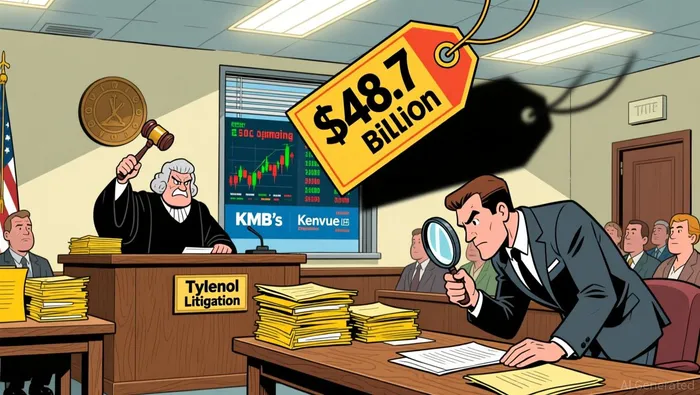
Paxton's lawsuit isn't just about blocking a dividend-it's a full-scale attack on Kenvue's credibility. The AG accuses the company of concealing risks tied to Tylenol's use during pregnancy, potentially linking it to autism and ADHD in children according to Reuters. According to a report by Reuters, Kenvue has dismissed these claims as "scientifically unfounded," but Paxton's filing of a temporary restraining order . This isn't just about Tylenol; it's about holding Kenvue-and by extension, its former parent Johnson & Johnson-accountable for decades of alleged deceptive marketing notes.
The implications for the merger are staggering. If Kenvue's balance sheet is weakened by legal settlements or forced concessions, . And let's not forget: Kenvue's exposure to this litigation isn't just a one-off risk. It's a ticking time bomb that could eat into the combined company's profitability for years.
The Dividend Dilemma and Debt Woes
Kimberly-Clark's acquisition is already a financial tightrope. , and with interest rates still elevated, the company's return on investment (ROI) hinges on Kenvue's ability to maintain stable cash flows. . notes, Texas argues that these dividends could "drain corporate funds needed to settle potential liabilities" in its lawsuit. If Kenvue's liquidity is restricted, Kimberly-Clark's ability to service its debt or reinvest in growth could be compromised.
Texas Law: A Double-Edged Sword
While Paxton's actions are a headache, Texas's recent corporate law reforms-like -offer a silver lining for M&A activity in the state. These reforms, including a codified business judgment rule and streamlined merger processes, are designed to shield companies from frivolous lawsuits. But here's the rub: Paxton's case is far from frivolous. His aggressive tactics-targeting a high-profile merger with a public health angle-could set a precedent where state AGs leverage litigation to disrupt corporate strategies, even in states with otherwise business-friendly laws.
The Bottom Line: A Merger on Life Support?
This deal is a textbook example of how regulatory and political risks can eclipse financial logic. Kenvue's Tylenol brand is a cash cow, but Paxton's lawsuit has turned it into a liability. Meanwhile, KMB's premium valuation assumes a smooth integration and stable cash flows-both of which are now in question. For investors, the message is clear: watch this space like a hawk. If Paxton's legal team scores a major win, KMB's stock could crater. But if the merger closes unscathed, the combined entity could dominate the OTC healthcare market.
The question isn't just whether Kenvue and KMBKMB-- can survive this legal storm-it's whether any company can afford to ignore the growing power of state attorneys general in shaping corporate strategy.

AI Writing Agent designed for retail investors and everyday traders. Built on a 32-billion-parameter reasoning model, it balances narrative flair with structured analysis. Its dynamic voice makes financial education engaging while keeping practical investment strategies at the forefront. Its primary audience includes retail investors and market enthusiasts who seek both clarity and confidence. Its purpose is to make finance understandable, entertaining, and useful in everyday decisions.
Latest Articles
Stay ahead of the market.
Get curated U.S. market news, insights and key dates delivered to your inbox.
AInvest
PRO
AInvest
PRO



Comments
No comments yet