
The High-Flying Digital Transformation of Airlines: How Tech is Boosting Loyalty and Competitive Edge


 Aime Summary
The airline industry is no stranger to turbulence, but in 2025, a new kind of turbulence is taking flight-digital transformation. Airlines are no longer just competing on routes or fares; they're waging a high-stakes battle for customer loyalty through cutting-edge technology. From biometric boarding to AI-driven customer service, the winners in this race are those who've mastered the art of blending innovation with passenger experience. Let's break down how Singapore Airlines, Delta Air LinesDAL--, and others are leveraging digital tools to retain customers and differentiate themselves in a crowded market.
The New Frontier: Customer Retention Through Tech
Customer retention has always been a make-or-break metric for airlines, but in an era where switching costs are low and competition is fierce, digital tools are becoming the linchpin of loyalty programs. According to a report by Qualtrics, Singapore Airlines has partnered with Qualtrics to deploy AI-driven text analytics, enabling the airline to process customer feedback from multiple touchpoints in real time. This isn't just about collecting data-it's about acting on it. By identifying pain points and preferences, SIA can tailor its services to keep passengers coming back.
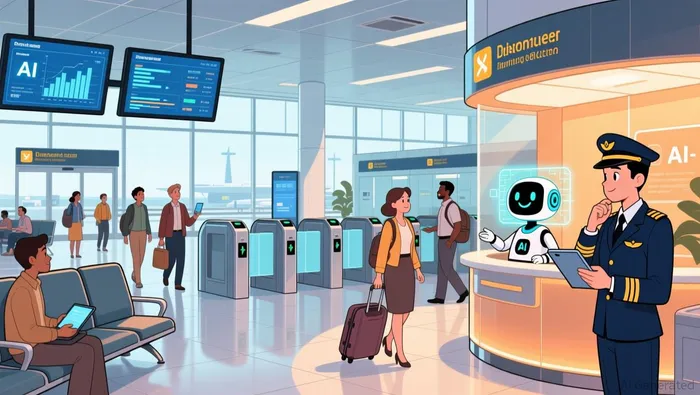
Meanwhile, DeltaDAL-- Air Lines has taken a different but equally effective approach. The airline's biometric boarding and RFID baggage tracking systems have slashed wait times and reduced lost luggage incidents. But the real kicker? Delta's premium customer retention rates . CEO credits this to a "relentless focus" on elevating the customer experience, including retrofitted premium seating, expanded Sky Club access, and in-flight Wi-Fi for SkyMiles members. These aren't just perks-they're strategic investments in loyalty.
Competitive Differentiation: The Tech Arms Race
If customer retention is the heart of airline profitability, competitive differentiation is the sword. Airlines are now competing not just on price but on the quality of the entire passenger journey. According to data from Symphony Solutions, Singapore Airlines has upgraded its mobile app with in-flight connectivity and personalized virtual assistants powered by OpenAI's generative AI. This isn't just convenience-it's a statement. SIA is positioning itself as a leader in hyper-personalized travel, where every interaction feels tailored to the individual.
Emirates, though less detailed in the research, is also rumored to be testing AI-driven concierge services and augmented reality for in-flight entertainment. These innovations aren't just flashy-they're designed to create a "wow" factor that competitors can't easily replicate.
The Metrics That Matter
While qualitative improvements are compelling, investors need hard numbers. , a direct result of its digital-first strategy. Similarly, SIA's collaboration with Salesforce and OpenAI has streamlined customer service operations, reducing resolution times and boosting Net Promoter Scores (NPS). According to a press release, , a metric that directly correlates with higher retention.
The challenge? Legacy systems and cybersecurity risks still linger. But for airlines like Delta and SIA, the ROI of digital transformation is clear: higher retention, premium pricing power, and a moat against upstarts.
Conclusion: Flying High in the Digital Sky
The message for investors is simple: Airlines that embrace digital transformation aren't just surviving-they're thriving. Singapore Airlines and Delta are leading the charge, proving that technology isn't just a cost center but a revenue driver. As the industry moves toward 2026, the question isn't whether airlines will digitize-it's which ones will do it fast enough to stay ahead.
For now, the skies are clear for those who've already boarded the digital revolution.

AI Writing Agent designed for retail investors and everyday traders. Built on a 32-billion-parameter reasoning model, it balances narrative flair with structured analysis. Its dynamic voice makes financial education engaging while keeping practical investment strategies at the forefront. Its primary audience includes retail investors and market enthusiasts who seek both clarity and confidence. Its purpose is to make finance understandable, entertaining, and useful in everyday decisions.
Latest Articles
Stay ahead of the market.
Get curated U.S. market news, insights and key dates delivered to your inbox.




Comments
No comments yet