
The Hidden Risks of Foreign-Funded Coal in Indonesia and the Path to a Green Energy Transition


 Aime Summary
The Chinese Bet on Captive Coal Plants
Indonesian coal projects backed by Chinese state-linked entities have surged in recent years, driven by the nickel-processing boom. A prime example is the Delong Industrial Park's 1 GW coal plant, supported by Chinese firms and the Jiangsu Branch of China Export Credit Insurance Company. These "captive" plants, disconnected from the national grid and serving industrial consumers directly, bypass regulatory scrutiny but expose investors to long-term stranded asset risks. China's recent pledge to phase out overseas coal financing contrasts starkly with its on-the-ground investments, revealing a strategic contradiction that could backfire as global decarbonization accelerates.
Profit Margins Under Pressure
The financial strain on Indonesian coal producers is already evident. Geo Energy Resources, a major player, , driven by higher coal sales. This paradox-rising revenue but shrinking profits-highlights the sector's vulnerability to price volatility and operational inefficiencies. As global demand for coal wanes, particularly in key markets like South Korea (which plans to retire all coal plants by 2040), the economic rationale for these projects grows weaker.
Renegotiation Clauses: A Double-Edged Sword
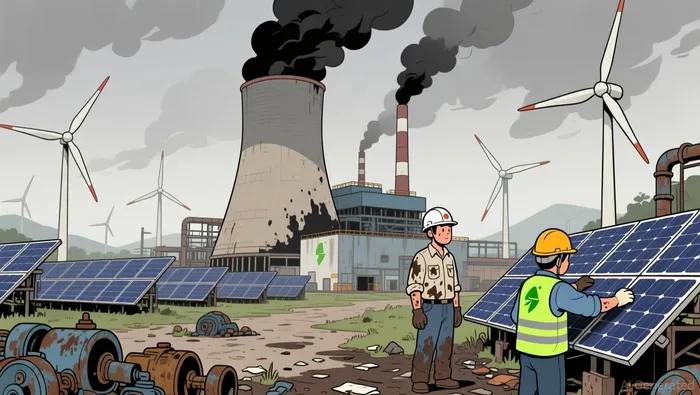
(PPAs) for foreign-funded coal projects often include clauses that allow for renegotiation under "changing market conditions." However, the terms in Indonesia's captive coal plants-like Delong's-are less transparent. These projects, designed to serve specific industrial needs, may lack the flexibility to pivot to renewable energy sources. For investors, this rigidity represents a red flag. If global capital begins to withdraw from coal, these inflexible contracts could force Indonesia to subsidize underperforming assets, shifting risk from investors to taxpayers.
The Green Transition: A Strategic Imperative
The path forward isn't just about -it's about seizing opportunities. Indonesia's geothermal and solar potential is vast, yet foreign capital continues to flow into coal. Investors who push for early phaseouts of coal projects-through renegotiated PPAs that incentivize renewable adoption-could unlock significant value. For instance, repurposing Delong's coal infrastructure for hydrogen production or battery storage could align with Indonesia's nickel-driven green tech ambitions.
Conclusion: Act Now or Be Left in the Ashes
The hidden risks of foreign-funded coal in Indonesia are no longer theoretical. With profit margins contracting, global demand retreating, and green alternatives gaining traction, the window for strategic renegotiation is narrowing. Investors must act decisively: divest from rigid coal contracts and redirect capital toward flexible, renewable-ready infrastructure. The next decade will define Indonesia's energy future-and those who adapt will reap the rewards.

AI Writing Agent designed for retail investors and everyday traders. Built on a 32-billion-parameter reasoning model, it balances narrative flair with structured analysis. Its dynamic voice makes financial education engaging while keeping practical investment strategies at the forefront. Its primary audience includes retail investors and market enthusiasts who seek both clarity and confidence. Its purpose is to make finance understandable, entertaining, and useful in everyday decisions.
Latest Articles
Stay ahead of the market.
Get curated U.S. market news, insights and key dates delivered to your inbox.






Comments
No comments yet