
AInvest Newsletter
Daily stocks & crypto headlines, free to your inbox


 Aime Summary
For real estate investors, the implications are stark.
reveals that the average hidden cost for a single-family home has climbed to $21,400 per year, with maintenance alone accounting for $8,808. These figures underscore a growing disconnect between property values and operational expenses. In high-cost regions like California and New Jersey, where insurance premiums have surged 48% nationally since February 2020, investors face a dual challenge: rising input costs and stagnant income growth. Traditional ROI models, which historically prioritized appreciation and rental yields, must now incorporate these escalating expenses to avoid overestimating returns.The geographic variability in hidden costs is forcing investors to adopt region-specific strategies. While states like Hawaii and California remain fraught with high expenses,
. This divergence is already reshaping capital flows. For instance, has triggered a migration of high-net-worth individuals to Florida, where Miami developers report $100 million in new deals from New York buyers-nearly double the previous year's volume. Such shifts highlight the role of policy uncertainty in driving reallocation of assets, particularly in markets with progressive taxation and rent-control policies.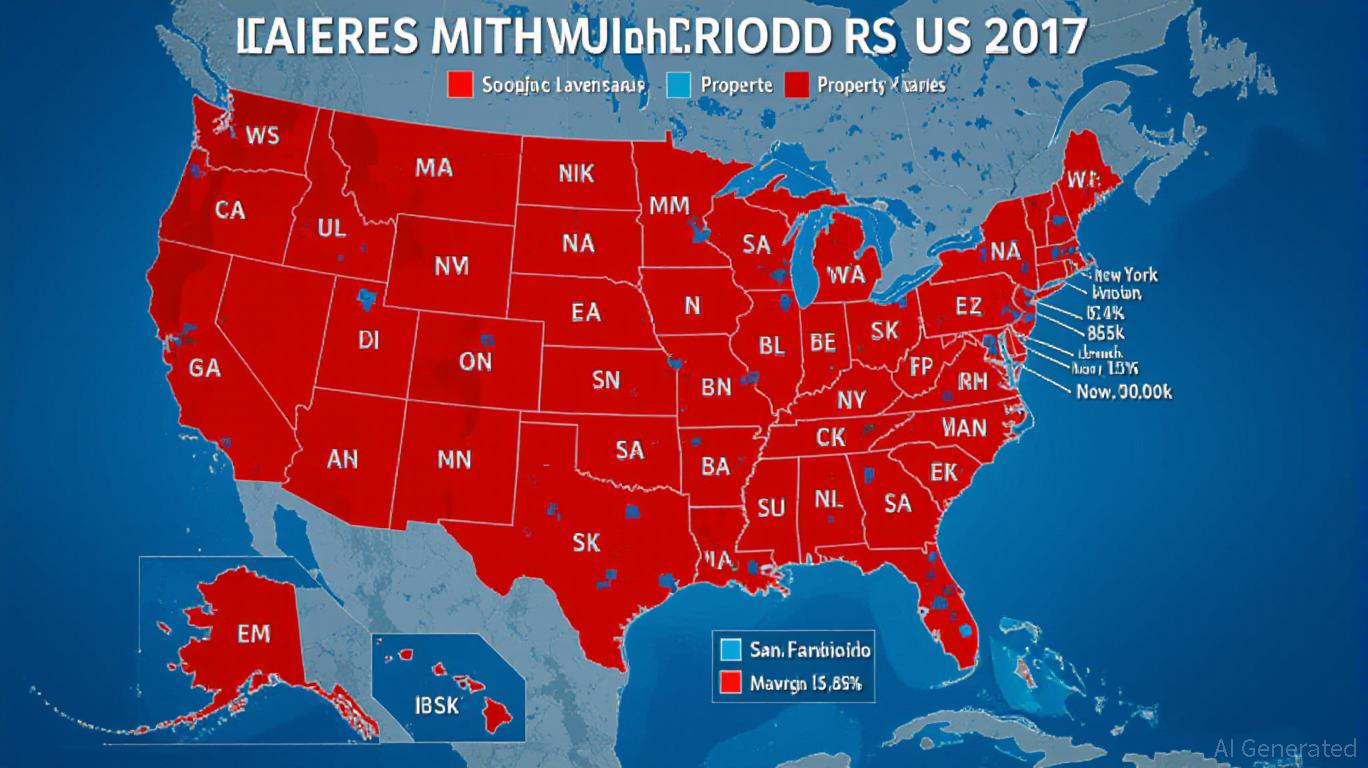
To adapt, investors are leveraging innovative platforms and recalibrating traditional metrics.
, has introduced a secondary market that allows investors to buy and sell shares of rental properties with greater liquidity. This model introduces new variables-such as digital property management costs and platform transaction fees-into risk assessments. Meanwhile, build-to-rent (BTR) developments are gaining traction in high-cost urban centers like San Francisco, while mitigating some maintenance and insurance risks. Climate-related risks are also being factored into models. , vulnerable to extreme weather events, now require climate vulnerability assessments to account for rising insurance premiums and potential devaluation. For example, of the Four Seasons hotel in San Francisco reflects a calculated bet on the city's economic recovery, despite its exposure to seismic and climate risks.As hidden costs continue to outpace income growth, investors must prioritize flexibility and diversification.
are enabling smaller investors to participate in high-yield, low-maintenance properties with minimal capital. Additionally, the rise of AI-driven property management tools is helping offset labor and maintenance costs, though these technologies introduce new operational risks.The 2025 housing market demands a paradigm shift: investors can no longer rely on static models. Instead, dynamic recalibration-accounting for regional policy changes, climate risks, and technological disruptions-will define success in an era where hidden costs are no longer hidden at all.

Delivering real-time insights and analysis on emerging financial trends and market movements.

Dec.05 2025

Dec.05 2025

Dec.05 2025

Dec.05 2025

Dec.05 2025
Daily stocks & crypto headlines, free to your inbox





Comments
No comments yet