
The HENRY Parent Dilemma: Navigating 6-Figure Financial Strains for Long-Term Wealth Building
The rise of the High-Earning, Not Rich Yet (HENRY) demographic—professionals earning six figures but grappling with unsustainable expenses—has exposed critical flaws in America's economic framework. For HENRY parents, childcare costs, student debt, and housing inflation are colliding to create a perfect storm of financial strain. This article explores how these pressures are reshaping investment priorities and why adaptive asset allocation strategies and targeted policy reforms are essential to safeguard long-term wealth.
The Triple Threat: Childcare, Debt, and Housing
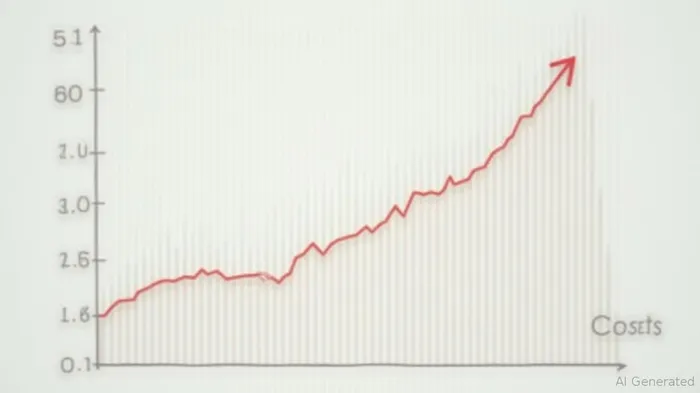
Childcare Costs: The average annual cost for two children in center-based care has skyrocketed to $13,128, outpacing inflation by 7% since 2020. For HENRY households earning $150,000 annually, this represents 8.7% of income—far exceeding the federal affordability threshold of 7%. In states like New York and Washington, D.C., costs can consume 15% or more of income.
Student Debt: While total student loan debt declined by 1.98% in 2023, universal forgiveness policies disproportionately favor high earners. For instance, top income deciles received $6,267 in average forgiveness under recent proposals, whereas lower-income households received just $1,276. This regressive outcome highlights the need for targeted reforms to address wealth gaps.
Housing Inflation: Median home prices now stand at $412,500—5x the median household income—requiring a $126,000 annual income to qualify for a mortgage. With stagnant wage growth (3.8% annually) and mortgage rates near 6%, HENRYs face a “price-to-income” cliff that limits homeownership and wealth accumulation.
Asset Allocation Strategies for HENRYs
To counter these pressures, HENRYs must adopt a dual focus: cash flow preservation and long-term wealth creation.
- Prioritize High-Yield Savings and Debt Management:
- Emergency Funds: Allocate 10–15% of income to liquid savings to buffer childcare and housing costs.
Debt Payoff: Prioritize high-interest debt (e.g., private loans) while leveraging tax-deductible benefits for federal loans.
Optimize Retirement Tools:
- Roth IRAs and Backdoor Contributions: Use after-tax accounts to hedge against future tax hikes.
Health Savings Accounts (HSAs): Maximize contributions for tax-free withdrawals on medical expenses.
Diversify Income Streams:
- Real Estate Investments: Consider rental properties in high-growth Sun Belt markets (e.g., Phoenix, Nashville) where price-to-income ratios are lower.
- Side Hustles: Leverage skills in high-demand fields (tech, consulting) to offset childcare and housing costs.
Policy Reforms to Alleviate Generational Burdens
Individual strategies alone cannot solve systemic issues. Here's what policymakers must address:
- Expand Childcare Subsidies and Tax Credits:
- Universal Pre-K: A national program could reduce costs by 30–40%.
Enhanced Child Tax Credit: Increase the credit to $3,000–$4,000 per child and make it fully refundable.
Targeted Student Debt Relief:
- Income-Driven Repayment (IDR) Overhauls: Extend forgiveness timelines to 10–15 years for borrowers earning below $100,000.
Graduate Student Loan Forgiveness: Cap monthly payments at 10% of discretionary income for advanced degree holders.
Affordable Housing Initiatives:
- Federal Housing Bonds: Fund construction of 1 million affordable units over five years.
- Zoning Reform: Encourage mixed-income housing in high-cost cities to increase supply and reduce price volatility.
The Urgency of Action
The intergenerational wealth gap is stark: only half of young adults born in the 1980s outearn their parents, versus 90% of those born in the 1940s. For HENRYs, stagnant wages and rising costs mean their net worth growth is increasingly tied to external factors like policy shifts and market conditions.
Final Takeaways for Investors
- Allocate defensively: Prioritize cash reserves and low-risk income streams (e.g., dividend stocks, Treasuries).
- Advocate for reform: Support candidates and policies that address childcare, debt, and housing affordability.
- Think long-term: Use tax-advantaged accounts and real estate to build generational wealth, even amid short-term pressures.
The HENRY parent dilemma is a microcosm of America's broader economic challenges. Without strategic investments in both personal finances and policy, the cycle of financial strain will persist—and so will the intergenerational divide.
Investment decisions should align with individual risk tolerance and financial goals. Consult a financial advisor before making major allocations.

Stay ahead of the market.
Get curated U.S. market news, insights and key dates delivered to your inbox.


AInvest
PRO
AInvest
PRO



Comments
No comments yet