
Helium's 5G Coverage Expands to 4,500 Radios, 2,000 Cities
Solana’s largest decentralized physical infrastructure network (DePIN) is making significant strides, setting new records in various metrics. DePIN leverages crypto incentives and public coordination to develop real-world infrastructure, such as wireless coverage, sensor networks, and energy grids. This approach contrasts with traditional centralized models, where infrastructure is built by large corporations like telcos or cloud platforms. Instead, DePIN relies on community efforts aligned with token rewards, aiming to extend digital utility into the physical world.
Helium, a prominent DePIN project, has recently achieved new all-time highs in DAO voting participation, validator onboarding, and usage-based rewards. The project has expanded its 5G coverage to over 4,500 radios across more than 2,000 cities in the United States. Additionally, Helium Mobile’s $20/month unlimited plan is now available in 3,000 WalmartWMT-- stores, indicating a growing adoption of crypto-backed, community-powered networks.
Traditional telecom infrastructure is often criticized for being bloated, centralized, and resistant to innovation. High costs, poor rural service, and opaque backend deals are common issues. Helium addresses these problems by allowing users to deploy coverage infrastructure, earn rewards based on network demand, and manage protocol upgrades through onchain governance systems. This model aligns long-term incentives through verifiable coverage proofs and onchain traffic accounting, creating a more decentralized and community-driven approach.
Despite its progress, Helium faces challenges. The protocol’s parent company, Nova Labs, underwent significant layoffs last summer, and competition from projects like XNET is increasing. The profitability of Helium Mobile’s business remains unclear. Initially launched for low-data IoT sensors, Helium’s pivot to 5G mobile through a partnership with T-Mobile has enhanced its legitimacy. This hybrid carrier model routes data across both centralized infrastructure and community-run equipment, enabling experiments in coverage-based rewards, user-side rebates, and real-time tracking of infrastructure usage, all settled on Solana.
Helium is not the only DePIN project gaining traction. Hivemapper, a decentralized Street View alternative, WeatherXM, a community weather data project, and Grass, a browser-based data capture tool for AI models, have also shown early success. These projects share a common thread of real-world participation driven by tokenized incentives, demonstrating that while these applications could exist without crypto, they scale better with it. The appeal of monetary rewards is a significant factor in their growth.
If any of these DePIN networks reach a tipping point where utility gains equilibrium with token yield, it could spark the first DePIN-native flywheel, driving further innovation and adoption in the sector. The current momentum suggests that DePIN projects like Helium are poised to become a more “serious” innovation in the crypto cycle, potentially overshadowing the distractions of memecoins and other less substantial trends. 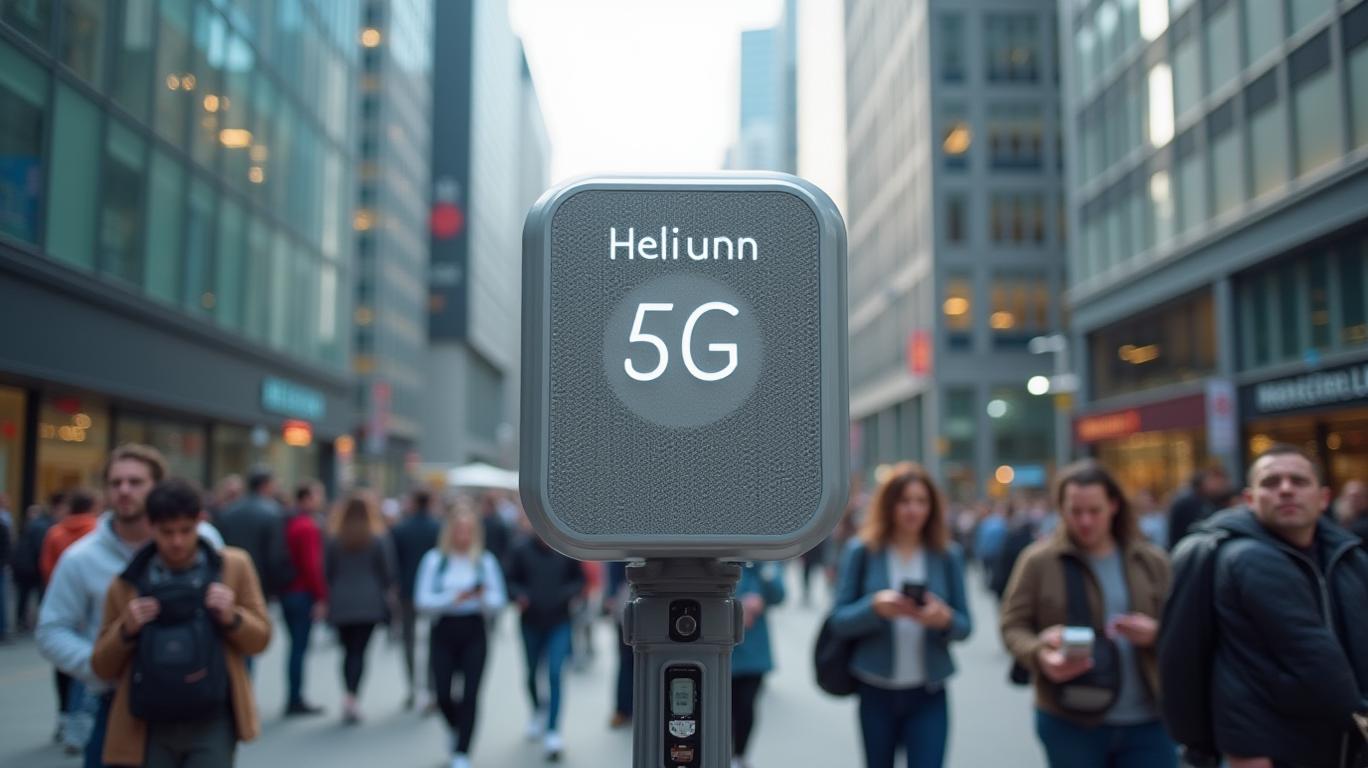

Stay ahead of the market.
Get curated U.S. market news, insights and key dates delivered to your inbox.






Comments
No comments yet