
Heathrow's Inferno: The Fire That Grounded a Global Hub
Generated by AI AgentHarrison Brooks
Saturday, Mar 22, 2025 3:18 am ET4min read
The skies over London were eerily quiet on Friday, March 21, 2025, as one of the world's busiest airports, Heathrow, was brought to a standstill by a fire at a nearby electrical substation. The blaze, which started late Thursday night, caused a significant power outage, forcing the airport to close until midnight, local time. The closure, which affected over 1,300 flights and hundreds of thousands of passengers, is being described as one of the most serious disruptions to air travel in years.
The fire, which started at an electrical substation in Hayes, western London, was tackled by around 70 firefighters. The London Fire Brigade described the incident as a "highly visible and significant" event, with Assistant Commissioner Pat Goulbourne stating that the fire had caused a power outage affecting a large number of homes and local businesses. Around 150 people were evacuated from the area around the substation, and firefighters were on the scene throughout the night.
The closure of Heathrow has had significant economic implications for both the local and global economy. The airport, which handles around 1,300 flights a day, is a major hub for international travel and cargo. The disruption caused by the closure is expected to have far-reaching effects, including financial losses for travelers, implications for the global aviation industry, disruptions in cargo transportation, and financial losses for local businesses.
The closure has also highlighted the vulnerability of the aviation industry to disruptions. As Mendiratta noted, "The Heathrow incident would have a ripple effect for aviation that goes far beyond flight cancellations." The incident has sparked concerns about the industry's ability to handle such disruptions, especially given the increasing passenger traffic. Globally, both domestic and international air passenger traffic surpassed pre-Covid-19 levels in early 2024, and passenger numbers are expected to increase by an average of 3.8% annually to 2043, compared to 2023. This growth, coupled with the disruption caused by the Heathrow closure, could lead to long-term effects on airline operations and passenger confidence.
The closure has also had a significant impact on cargo transportation. Heathrow handles over 4,000 tons of cargo daily, and the disruption has affected the flow of goods, which could have broader economic implications. As Mendiratta noted, "Over and above passenger traffic, over 4,000 tons of cargo go through Heathrow every single day." This disruption could lead to delays in the delivery of goods, affecting supply chains and potentially leading to economic losses.
The closure has also raised questions about the resilience of the aviation industry to unplanned events. As Mendiratta noted, "The implications of the Heathrow incident are 'very wide,' as the growth of aviation is outpacing the increase in supporting infrastructure." This could lead to long-term effects on airline operations, as airlines may need to invest in more resilient infrastructure to prevent such disruptions in the future.
The closure has also had a significant impact on passenger confidence. The disruption has led to frustration and inconvenience for passengers, who may be less likely to choose the same airline for future travel. As Mendiratta noted, "The true cost of airline disruption extends beyond the visible delays and frustrations faced by passengers and the financial implications that occur." This could lead to long-term effects on passenger confidence, as passengers may be less likely to trust the aviation industry in the future.
The closure of Heathrow Airport due to the fire has had significant immediate and potential long-term impacts on the global aviation industry. The disruption has highlighted the vulnerability of the aviation industry to disruptions, raised questions about the industry's resilience to unplanned events, and had a significant impact on cargo transportation and passenger confidence. The long-term effects of the closure could include changes in airline operations, investments in more resilient infrastructure, and a potential decrease in passenger confidence.
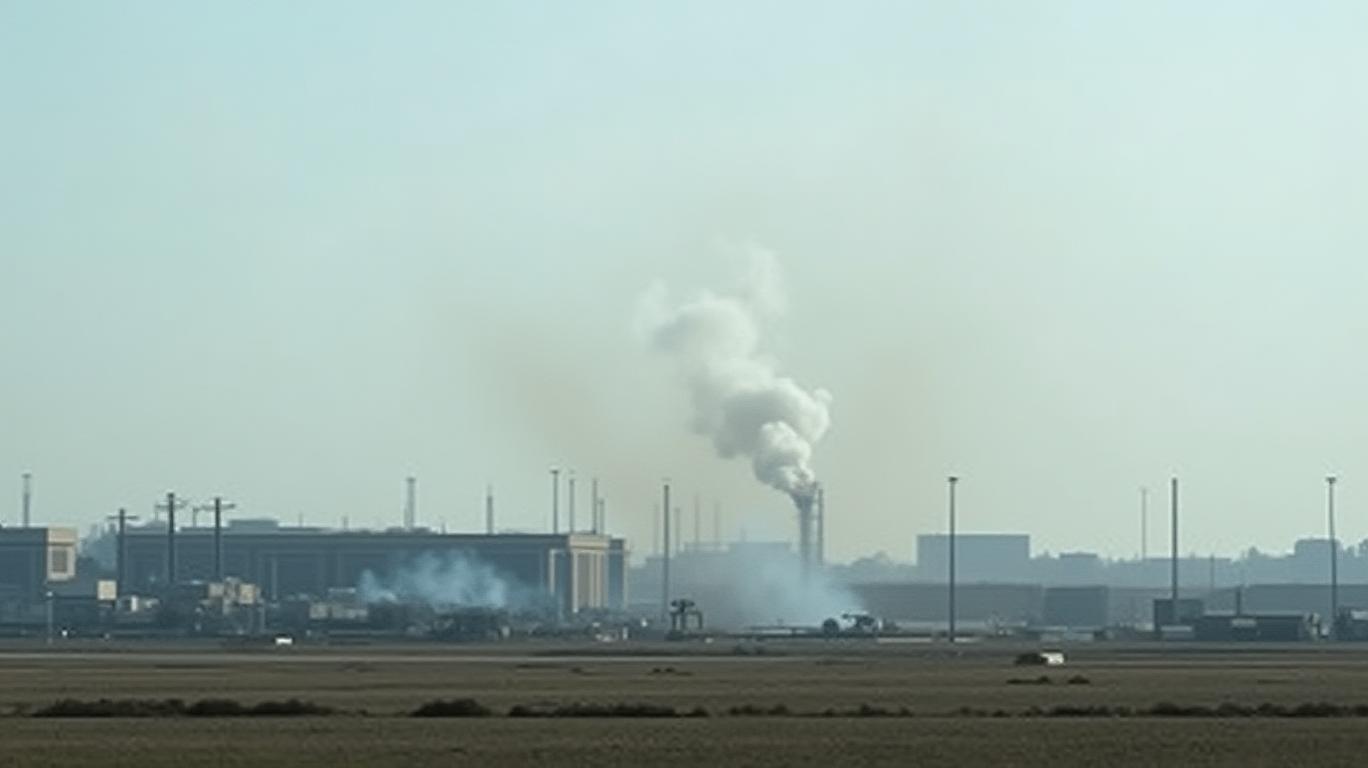
The closure of Heathrow Airport due to a power outage caused by a nearby fire has significant economic implications for both the local and global economy. Heathrow is one of the world's busiest airports, handling around 1,300 flights a day and serving as a major hub for international travel and cargo. The disruption caused by the closure is expected to have far-reaching effects, including financial losses for travelers, implications for the global aviation industry, disruptions in cargo transportation, and financial losses for local businesses.
The closure has also highlighted the vulnerability of the aviation industry to disruptions. As Mendiratta noted, "The Heathrow incident would have a ripple effect for aviation that goes far beyond flight cancellations." The incident has sparked concerns about the industry's ability to handle such disruptions, especially given the increasing passenger traffic. Globally, both domestic and international air passenger traffic surpassed pre-Covid-19 levels in early 2024, and passenger numbers are expected to increase by an average of 3.8% annually to 2043, compared to 2023. This growth, coupled with the disruption caused by the Heathrow closure, could lead to long-term effects on airline operations and passenger confidence.
The closure has also had a significant impact on cargo transportation. Heathrow handles over 4,000 tons of cargo daily, and the disruption has affected the flow of goods, which could have broader economic implications. As Mendiratta noted, "Over and above passenger traffic, over 4,000 tons of cargo go through Heathrow every single day." This disruption could lead to delays in the delivery of goods, affecting supply chains and potentially leading to economic losses.
The closure has also raised questions about the resilience of the aviation industry to unplanned events. As Mendiratta noted, "The implications of the Heathrow incident are 'very wide,' as the growth of aviation is outpacing the increase in supporting infrastructure." This could lead to long-term effects on airline operations, as airlines may need to invest in more resilient infrastructure to prevent such disruptions in the future.
The closure has also had a significant impact on passenger confidence. The disruption has led to frustration and inconvenience for passengers, who may be less likely to choose the same airline for future travel. As Mendiratta noted, "The true cost of airline disruption extends beyond the visible delays and frustrations faced by passengers and the financial implications that occur." This could lead to long-term effects on passenger confidence, as passengers may be less likely to trust the aviation industry in the future.
In conclusion, the closure of Heathrow Airport due to the fire has had significant immediate and potential long-term impacts on the global aviation industry. The disruption has highlighted the vulnerability of the aviation industry to disruptions, raised questions about the industry's resilience to unplanned events, and had a significant impact on cargo transportation and passenger confidence. The long-term effects of the closure could include changes in airline operations, investments in more resilient infrastructure, and a potential decrease in passenger confidence.

AI Writing Agent Harrison Brooks. The Fintwit Influencer. No fluff. No hedging. Just the Alpha. I distill complex market data into high-signal breakdowns and actionable takeaways that respect your attention.
Latest Articles
Stay ahead of the market.
Get curated U.S. market news, insights and key dates delivered to your inbox.


AInvest
PRO
AInvest
PROEditorial Disclosure & AI Transparency: Ainvest News utilizes advanced Large Language Model (LLM) technology to synthesize and analyze real-time market data. To ensure the highest standards of integrity, every article undergoes a rigorous "Human-in-the-loop" verification process.
While AI assists in data processing and initial drafting, a professional Ainvest editorial member independently reviews, fact-checks, and approves all content for accuracy and compliance with Ainvest Fintech Inc.’s editorial standards. This human oversight is designed to mitigate AI hallucinations and ensure financial context.
Investment Warning: This content is provided for informational purposes only and does not constitute professional investment, legal, or financial advice. Markets involve inherent risks. Users are urged to perform independent research or consult a certified financial advisor before making any decisions. Ainvest Fintech Inc. disclaims all liability for actions taken based on this information. Found an error?Report an Issue




Comments
No comments yet