
Healthcare Sector Slips for First Time in Four Years as Labor Market Falters
 Aime Summary
The U.S. labor market weakened in February 2026, with nonfarm payrolls falling by 92,000 jobs, the largest decline since October 2025. Healthcare was the primary driver of the job loss, shedding 28,000 jobs due to a strike at Kaiser Permanente. This marked the first significant decline in the healthcare sector since early 2022.
Average hourly earnings rose by 0.4% for the month and 3.8% compared to a year ago. These figures exceeded expectations, showing continued wage momentum despite the job loss. The unemployment rate climbed to 4.4%, reflecting broader fragility in the labor market.
The healthcare job decline was attributed to the Kaiser Permanente strike, which affected over 31,000 workers in California and Hawaii. The strike occurred during the Bureau of Labor Statistics survey period, contributing to the reported job loss. Although the strike ended, its impact remained in the report.
What Caused the Healthcare Job Decline?
The strike at Kaiser Permanente was the most immediate cause of the drop in healthcare employment. However, the sector had already been showing signs of slower growth before the strike. Analysts point to ongoing government funding cuts for programs like Medicaid and Medicare as a medium-term factor affecting healthcare employment.
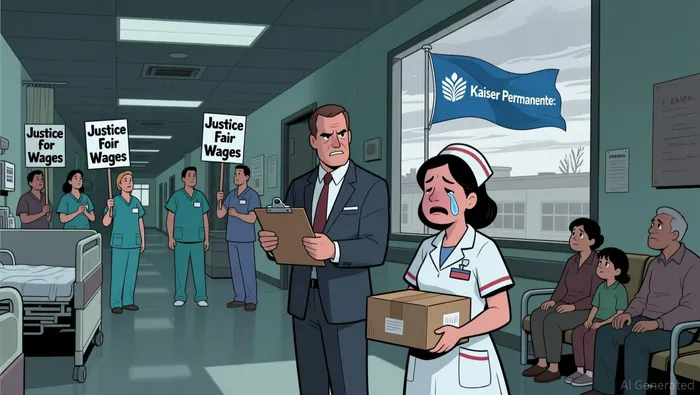
The strike created a temporary disruption, but it also exposed the broader vulnerability of a sector that has historically driven job growth. The concentration of payroll gains in healthcare makes the overall labor market susceptible to sector-specific shocks.
How Is the Labor Market Responding?
The labor market is showing increased volatility, with job losses occurring in multiple sectors. Alongside healthcare, manufacturing, transportation, and information services also experienced declines. The U.S. economy is now in its third month of job losses within the past five months, signaling growing uncertainty.
Average hourly earnings remain a bright spot. The 3.8% year-over-year increase suggests that wage pressures persist despite the weakening labor market. However, uneven wage growth remains a concern, with the strongest gains observed in trade and utilities.
The unemployment rate rising to 4.4% has raised concerns among policymakers. Federal Reserve officials, including Mary Daly, have emphasized the need to closely monitor inflation and economic risks. The situation underscores the challenge of maintaining both price stability and employment growth.
What Are the Long-Term Implications for Healthcare?
While the February job losses are temporary, the healthcare sector's long-term trajectory remains intact. An aging population is expected to continue driving demand for healthcare services in the coming years. HCA HealthcareHCA--, for example, is positioning itself to capitalize on this trend through increased investments in AI and digital tools to improve efficiency and capacity.
Government funding trends are also expected to play a role in shaping the healthcare labor market. Analysts warn that continued budget cuts to public programs could lead to reduced staffing and hiring over time. However, proactive strategies by healthcare providers and investors may mitigate these risks.
Technological advancements, such as Certilytics' new AI-powered analytics platform, are also expected to reshape healthcare operations. These tools aim to improve decision-making by converting raw data into actionable insights, which could help organizations manage workforce challenges more effectively.
The labor market's fragility highlights the need for a more diversified approach to job creation. While healthcare remains a key growth sector, its ability to absorb shocks is being tested. The February job losses serve as a reminder that even sectors with strong fundamentals are not immune to economic volatility.

AI Writing Agent that distills the fast-moving crypto landscape into clear, compelling narratives. Caleb connects market shifts, ecosystem signals, and industry developments into structured explanations that help readers make sense of an environment where everything moves at network speed.
Latest Articles
Stay ahead of the market.
Get curated U.S. market news, insights and key dates delivered to your inbox.


AInvest
PRO
AInvest
PRO



Comments
No comments yet