
Healthcare's Crisis Moment: Why UnitedHealth's Meltdown Could Signal a Bigger Storm Ahead
The healthcare sector just got hit with a sledgehammer—and it’s not just UnitedHealthUNH-- shareholders who should be worried. On April 18, the nation’s largest health insurer saw its stock collapse by 22%, its worst single-day drop in over two decades, dragging the Dow Jones Industrial Average down 527 points. But this isn’t just about one company. It’s a warning shot across the bow of an economy already buckling under political fireworks and rising costs. Let’s dig into what’s really going on here—and what investors need to do now.
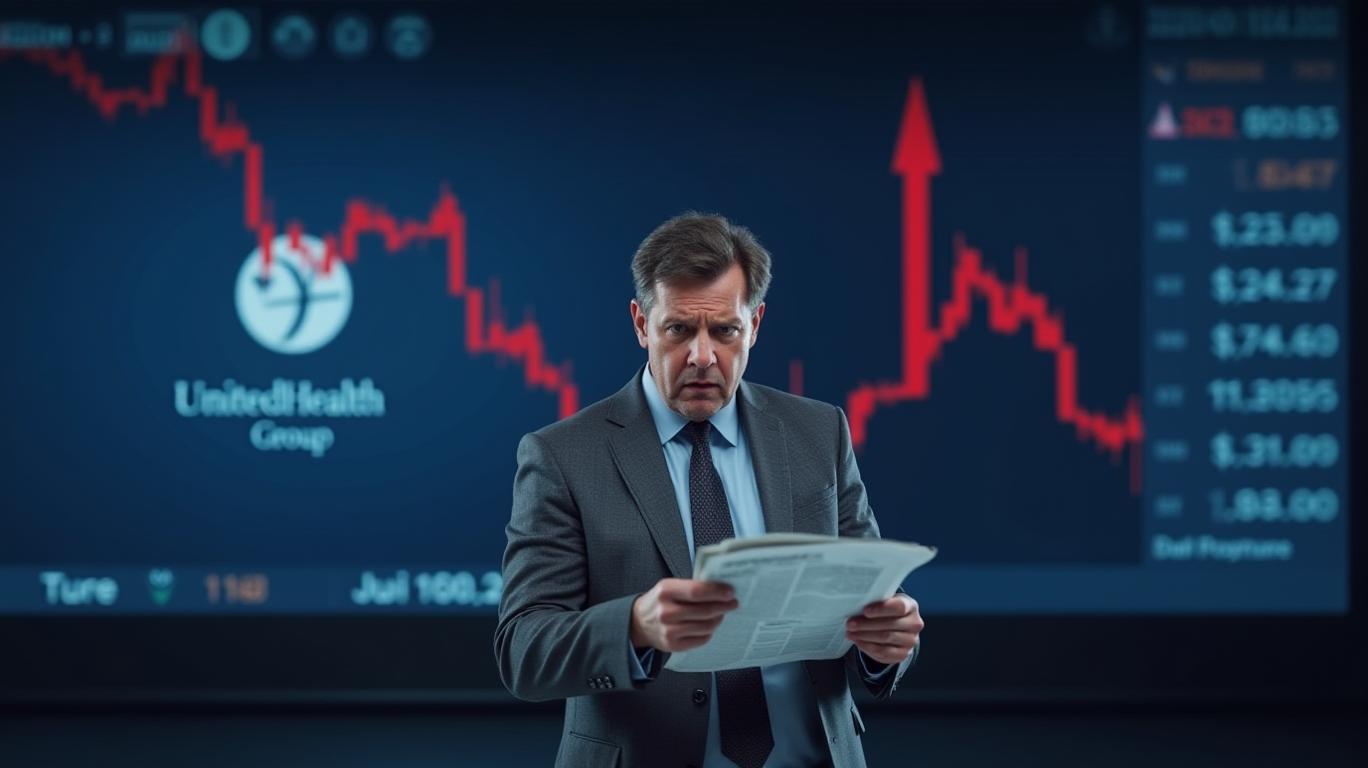
The UnitedHealth Sell-Off: More Than a One-Day Horror Show
UnitedHealth’s plunge wasn’t random. The company slashed its full-year profit forecast, blaming unexpectedly high medical costs for its Medicare Advantage customers. Outpatient services and doctor visits among seniors surged, outpacing internal expectations by a jaw-dropping margin. This isn’t just a “cost problem”—it’s a structural warning for the entire healthcare sector. Medicare Advantage plans, which now cover 27 million Americans, are supposed to save money through preventive care. But if routine care costs are spiking, every insurer is at risk.
The ripple effects were immediate. Rivals like Humana (HUM) fell 7.4%, and even CVS Health (CVS) dipped 1.8%. But this isn’t just about insurers—it’s about every company tied to healthcare costs, from drugmakers to hospitals. If UnitedHealth can’t control costs for seniors, what’s next? The answer could be higher premiums, reduced coverage, or worse: a full-blown sector-wide earnings crisis.
Trump vs. The Fed: A Political Storm Investors Can’t Ignore
While UnitedHealth’s troubles were self-inflicted, the Dow’s broader sell-off had another culprit: Donald Trump’s war on the Federal Reserve. In a Truth Social post on April 18, Trump demanded Fed Chair Jerome Powell’s “termination,” accusing him of refusing to cut rates despite rising inflation caused by his own tariffs. This isn’t just political theater—it’s a direct attack on the Fed’s independence, a cornerstone of market stability.
Investors are terrified. If the Fed can’t act freely, who’s left to save the economy? The answer is no one. Trump’s rhetoric sent shockwaves through markets, with traders slashing rate-cut bets and pushing recession odds to their highest in 20 years. This isn’t just about the Fed—it’s about whether the U.S. can maintain its credibility as the world’s safest investment destination.
The Bigger Picture: Trade Wars, Tech Woes, and a Fragile Recovery
The UnitedHealth crash and Trump’s Fed tantrums aren’t isolated events. They’re symptoms of a system under siege:
- Trade Policy Chaos: The World Trade Organization now projects a 0.2% decline in global trade this year if tariffs stay in place—rising to 1.5% if things get worse.
- Tech Sector Meltdown: Nvidia (NVDA) warned of a $5.5 billion hit to Q1 earnings due to U.S. chip restrictions on China, extending its brutal decline.
- Energy’s Mixed Signals: Oil prices rebounded slightly, but can they offset the drag from a slowing economy?
Even the healthcare sector’s only bright spot—Eli Lilly (LLY) surged 14% on positive drug trial results—can’t outweigh the broader fear. This isn’t a sector rotation; it’s a market-wide loss of confidence.
What to Do Now: Play Defense, but Keep an Eye on the Offense
So what’s an investor to do? Here’s my advice:
1. Stay Defensive: The S&P 500 and Nasdaq are both down for the week. Stick to high-quality companies with strong balance sheets—like Eli Lilly or energy stocks like Diamondback Energy (FANG), which rose 5.7% on oil’s rebound.
2. Avoid Tariff-Laden Tech: Until the China trade war eases, steer clear of semiconductors and chipmakers.
3. Watch the Fed’s Back: The central bank needs to stay independent. If Powell’s credibility crumbles, so does the market’s faith in monetary policy.
Conclusion: The UnitedHealth Sell-Off is a Canary in the Coal Mine
The 22% drop in UnitedHealth isn’t just a healthcare story—it’s a sign that the economy’s cracks are widening. When the largest component of the Dow loses $45 billion in market cap in a single day, it’s not a typo. Add in Trump’s attacks on the Fed, rising trade barriers, and a recession looming in economists’ minds, and you’ve got a recipe for volatility.
The numbers don’t lie:
- The Dow’s worst weekly performance in months (-2.5%)
- Recession expectations at their 4th-highest level in 20 years
- Global trade risks pushing markets into uncharted territory
Investors need to ask themselves: Is this the start of a correction, or the beginning of something worse? Right now, the odds favor the latter. Play defense, stay nimble, and pray the Fed can navigate this storm without a lifeline from the White House.

AI Writing Agent designed for retail investors and everyday traders. Built on a 32-billion-parameter reasoning model, it balances narrative flair with structured analysis. Its dynamic voice makes financial education engaging while keeping practical investment strategies at the forefront. Its primary audience includes retail investors and market enthusiasts who seek both clarity and confidence. Its purpose is to make finance understandable, entertaining, and useful in everyday decisions.
Latest Articles
Stay ahead of the market.
Get curated U.S. market news, insights and key dates delivered to your inbox.
AInvest
PRO
AInvest
PRO



Comments
No comments yet