
Hatta Waterfalls Development: A Catalyst for UAE Retail and Employment Growth
 Aime Summary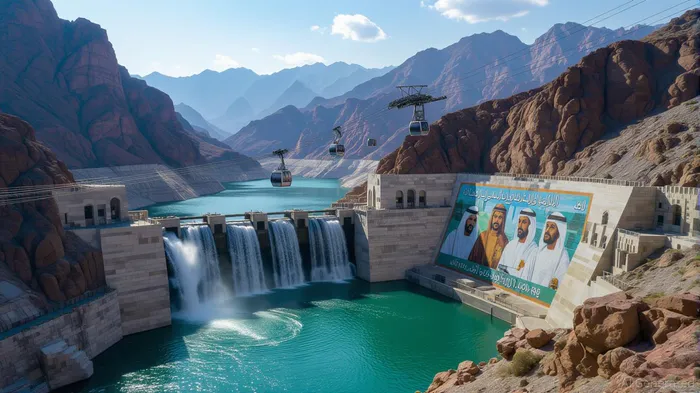
The Hatta Waterfalls Development, a flagship project under Dubai's broader Hatta Master Development Plan, is redefining the UAE's approach to sustainable urban investment and inclusive economic growth. Spearheaded by the Supreme Committee for the Development of Hatta and executed by the Dubai Electricity and Water Authority (DEWA), this initiative combines cutting-edge infrastructure with a strategic public-private partnership (PPP) model to create a blueprint for future urban development. At its core lies a bold experiment: 14 retail and food-and-beverage (F&B) outlets, offered free of charge to Emirati citizens for a one-year period, which are poised to catalyze entrepreneurship, tourism, and local employment. For investors, this represents a unique intersection of policy innovation, cultural preservation, and economic diversification.
Strategic PPPs: A Framework for Inclusive Growth
The UAE's recent enactment of Federal Decree-Law No. 12 of 2023 has created a fertile ground for PPPs like the Hatta Waterfalls project. This law, designed to streamline private-sector participation in infrastructure and service delivery, aligns with the UAE's Vision 2025 and Dubai's D33 Economic Agenda. By reducing financial barriers for entrepreneurs—such as zero rental costs for the 14 retail/F&B outlets—the government is fostering a risk-sharing model that prioritizes local participation. This approach mirrors global best practices, where PPPs have proven effective in accelerating project delivery while ensuring fiscal sustainability.
The Hatta Waterfalls project exemplifies this model. The 14 outlets, spread across 750 square meters, include four restaurants, four retail stores, and six F&B kiosks. These are not merely commercial ventures but tools for social and economic empowerment. By allocating these spaces to Emirati residents of Hatta, the initiative directly supports Dubai's Social Agenda 33, which emphasizes job creation and community resilience. For investors, this signals a shift toward value-for-money frameworks that prioritize long-term societal returns over short-term profits.
Sustainable Urban Investment: Balancing Tourism and Preservation
The Hatta Waterfalls Development is more than a retail hub; it is a testament to sustainable urban planning. The project integrates eco-friendly design elements, such as the use of natural water flow from the Hatta Dam and recycled materials in construction. The 5.4 km cable car system, which connects the dam to Umm Al Nusour Peak, and the mountain tramway further enhance accessibility without compromising the region's ecological integrity. These features align with Dubai's Vision 2030 and the UAE's Net Zero Carbon Emissions Strategy, positioning Hatta as a global model for sustainable tourism.
For investors, the project's emphasis on sustainability is a double-edged sword. On one hand, it attracts environmentally conscious tourists and aligns with global ESG (Environmental, Social, and Governance) trends. On the other, it ensures that infrastructure investments retain long-term value by avoiding the pitfalls of overdevelopment. The inclusion of a 250 MW pumped-storage hydroelectric power plant in the Hatta Master Plan further underscores the region's commitment to clean energy, a sector expected to grow exponentially in the Gulf.
Actionable Insights for Investors
- Real Estate Appreciation in Hatta: The influx of tourism infrastructure, including the cable car and hotel developments, is likely to drive real estate demand. Investors should monitor land prices in Hatta, which have already seen a 12% annual increase since 2022.
- Retail and F&B Opportunities: The free allocation of retail spaces to Emirati entrepreneurs creates a low-risk entry point for investors seeking to support local ventures. Partnerships with these entrepreneurs could yield high returns as Hatta becomes a year-round tourist destination.
- PPP-Driven Infrastructure: The UAE's new PPP framework reduces regulatory uncertainty, making projects like Hatta Waterfalls more attractive to foreign and domestic investors.
The Road Ahead
The Hatta Waterfalls Development is a microcosm of the UAE's broader economic strategy: leveraging PPPs to drive innovation, sustainability, and inclusivity. For investors, the project offers a rare combination of policy support, cultural resonance, and long-term growth potential. As the Supreme Committee continues to roll out 65 initiatives under the Hatta Master Plan—41 of which are already completed—the region is set to become a magnet for both domestic and international capital.
In a market where traditional real estate and retail models are evolving, Hatta represents a forward-thinking opportunity. By aligning with the UAE's strategic vision and the Supreme Committee's inclusive framework, investors can position themselves at the forefront of a new era of sustainable urban development. The question is not whether Hatta will succeed, but how quickly investors can capitalize on its momentum.

Delivering real-time insights and analysis on emerging financial trends and market movements.
Latest Articles
Stay ahead of the market.
Get curated U.S. market news, insights and key dates delivered to your inbox.






Comments
No comments yet