
Harvard Returns 175-Year-Old Slave Daguerrotypes After Decade-Long Legal Battle
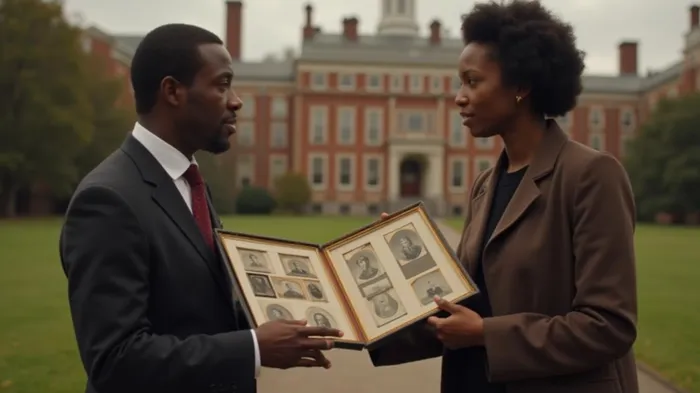
Harvard University has agreed to release a set of 175-year-old daguerrotypes, which are believed to be the earliest known depictions of slaves in America. This decision comes after a protracted legal battle that spanned over a decade. The daguerrotypes in question are part of a collection that includes images of an enslaved African man named Renty and his daughter, Delia. The lawsuit, filed by Tamara Lanier, alleges that Harvard University wrongfully seized, possessed, and monetized these photographic images of her ancestors.
The legal dispute centered around the ownership and rightful possession of these historical artifacts. Lanier's lawsuit claimed that the daguerrotypes were taken without the consent of her ancestors and that Harvard had profited from their display and study. The settlement reached between Lanier and Harvard University marks the end of a lengthy court battle and ensures that the daguerrotypes will be returned to Lanier, who plans to donate them to a Black institution for preservation and public display.
The daguerrotypes, created by Louis Agassiz, a Swiss-born biologist and geologist, are significant not only for their historical value but also for their potential to shed light on the lives of enslaved individuals in America. These images offer a rare and poignant glimpse into the past, providing a visual record of a period in American history that is often overlooked or misrepresented. The release of these daguerrotypes is expected to contribute to a more comprehensive understanding of slavery and its enduring impact on American society.
The settlement between Lanier and Harvard University underscores the importance of acknowledging and addressing the historical injustices that have shaped American society. By relinquishing the daguerrotypes, Harvard University has taken a significant step towards rectifying the wrongs of the past and promoting a more inclusive and equitableEQH-- future. The decision also highlights the ongoing efforts to preserve and protect the cultural heritageCASK-- of marginalized communities, ensuring that their stories are told and their contributions are recognized.

Comprensión rápida de la historia y antecedentes de diferentes monedas muy conocidas
Latest Articles
Stay ahead of the market.
Get curated U.S. market news, insights and key dates delivered to your inbox.


AInvest
PRO
AInvest
PRO



Comments
No comments yet