
Hapag-Lloyd and Shell Partner for Long-Term Liquefied Biomethane Supply
ByAinvest
Thursday, Sep 11, 2025 7:40 am ET1min read
SHEL--
The deal underscores the shipping industry's commitment to decarbonization and aligns with global efforts to reduce emissions. By leveraging liquefied biomethane, Hapag-Lloyd and Shell aim to achieve substantial reductions in CO2 emissions, contributing to the broader goal of sustainability and environmental stewardship.
As part of the agreement, Shell will supply liquefied biomethane to Hapag-Lloyd's fleet, with the latter integrating the renewable fuel into its operations. This collaboration marks a significant step towards the decarbonization of the shipping sector, which is crucial for meeting global climate targets.
The use of biomethane as a fuel source offers several advantages, including lower emissions compared to traditional fuels and the ability to produce it from organic waste, making it a sustainable and eco-friendly option. The partnership between Hapag-Lloyd and Shell is expected to set a precedent for other industries looking to transition to renewable energy sources.
This development is particularly notable as it follows the launch of Acorn Bioenergy's Three Maids biomethane facility, which is part of Qualitas Energy's strategy to develop a leading platform for renewable natural gas production in the UK. The Three Maids facility alone is expected to generate enough renewable natural gas to heat over 9,000 homes and save around 30,000 tonnes of CO2 emissions annually [1].
The collaboration between Hapag-Lloyd and Shell is a testament to the growing importance of renewable energy in the global economy and the increasing demand for sustainable solutions. As the shipping industry continues to explore innovative ways to reduce its environmental impact, partnerships like this one will play a pivotal role in shaping a more sustainable future.
References:
[1] "Acorn Bioenergy launches first biomethane facility as key part of Qualitas Energy's expanding UK renewables platform," Renewable Energy Industry, September 9, 2025.
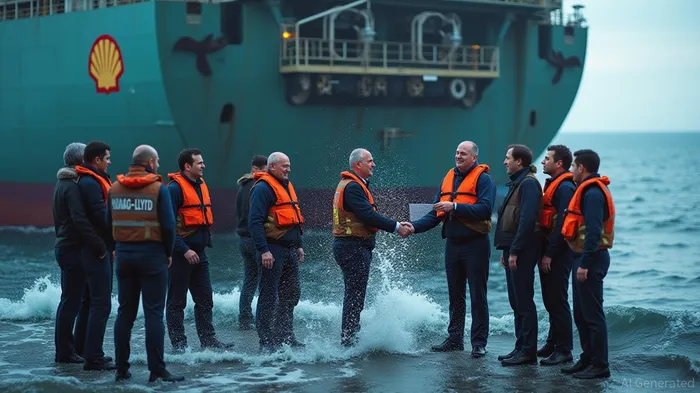
Hapag-Lloyd and Shell have signed a multi-year deal to use liquefied biomethane as a fuel source for Hapag-Lloyd's vessels. The deal aims to reduce greenhouse gas emissions from shipping and promote the use of renewable energy sources. Liquefied biomethane is a sustainable alternative to traditional fossil fuels that can be produced from organic waste. The partnership is a significant step towards decarbonizing the shipping industry and aligning with global efforts to reduce emissions.
Hapag-Lloyd and Shell have signed a multi-year agreement to utilize liquefied biomethane as a fuel source for Hapag-Lloyd's vessels. This strategic partnership aims to significantly reduce greenhouse gas emissions from the shipping industry and promote the use of renewable energy sources. Liquefied biomethane, produced from organic waste, is a sustainable alternative to traditional fossil fuels.The deal underscores the shipping industry's commitment to decarbonization and aligns with global efforts to reduce emissions. By leveraging liquefied biomethane, Hapag-Lloyd and Shell aim to achieve substantial reductions in CO2 emissions, contributing to the broader goal of sustainability and environmental stewardship.
As part of the agreement, Shell will supply liquefied biomethane to Hapag-Lloyd's fleet, with the latter integrating the renewable fuel into its operations. This collaboration marks a significant step towards the decarbonization of the shipping sector, which is crucial for meeting global climate targets.
The use of biomethane as a fuel source offers several advantages, including lower emissions compared to traditional fuels and the ability to produce it from organic waste, making it a sustainable and eco-friendly option. The partnership between Hapag-Lloyd and Shell is expected to set a precedent for other industries looking to transition to renewable energy sources.
This development is particularly notable as it follows the launch of Acorn Bioenergy's Three Maids biomethane facility, which is part of Qualitas Energy's strategy to develop a leading platform for renewable natural gas production in the UK. The Three Maids facility alone is expected to generate enough renewable natural gas to heat over 9,000 homes and save around 30,000 tonnes of CO2 emissions annually [1].
The collaboration between Hapag-Lloyd and Shell is a testament to the growing importance of renewable energy in the global economy and the increasing demand for sustainable solutions. As the shipping industry continues to explore innovative ways to reduce its environmental impact, partnerships like this one will play a pivotal role in shaping a more sustainable future.
References:
[1] "Acorn Bioenergy launches first biomethane facility as key part of Qualitas Energy's expanding UK renewables platform," Renewable Energy Industry, September 9, 2025.
Stay ahead of the market.
Get curated U.S. market news, insights and key dates delivered to your inbox.
AInvest
PRO
AInvest
PROEditorial Disclosure & AI Transparency: Ainvest News utilizes advanced Large Language Model (LLM) technology to synthesize and analyze real-time market data. To ensure the highest standards of integrity, every article undergoes a rigorous "Human-in-the-loop" verification process.
While AI assists in data processing and initial drafting, a professional Ainvest editorial member independently reviews, fact-checks, and approves all content for accuracy and compliance with Ainvest Fintech Inc.’s editorial standards. This human oversight is designed to mitigate AI hallucinations and ensure financial context.
Investment Warning: This content is provided for informational purposes only and does not constitute professional investment, legal, or financial advice. Markets involve inherent risks. Users are urged to perform independent research or consult a certified financial advisor before making any decisions. Ainvest Fintech Inc. disclaims all liability for actions taken based on this information. Found an error?Report an Issue


ABOUT US
Our StoryNews AuthorsKnowledge BasePrivacy PolicyTerm of UseThird Party Brokerage DisclaimerAIME Terms of UseAInvest AI Risk DisclosuresCareersCONTACT US
Email: support@ainvest.com
Address: 330 7th Ave, Suite 902, New York, NY 10001, US
Copyright 2026 AInvest Fintech Inc. All rights reserved.


Comments
No comments yet