
AInvest Newsletter
Daily stocks & crypto headlines, free to your inbox
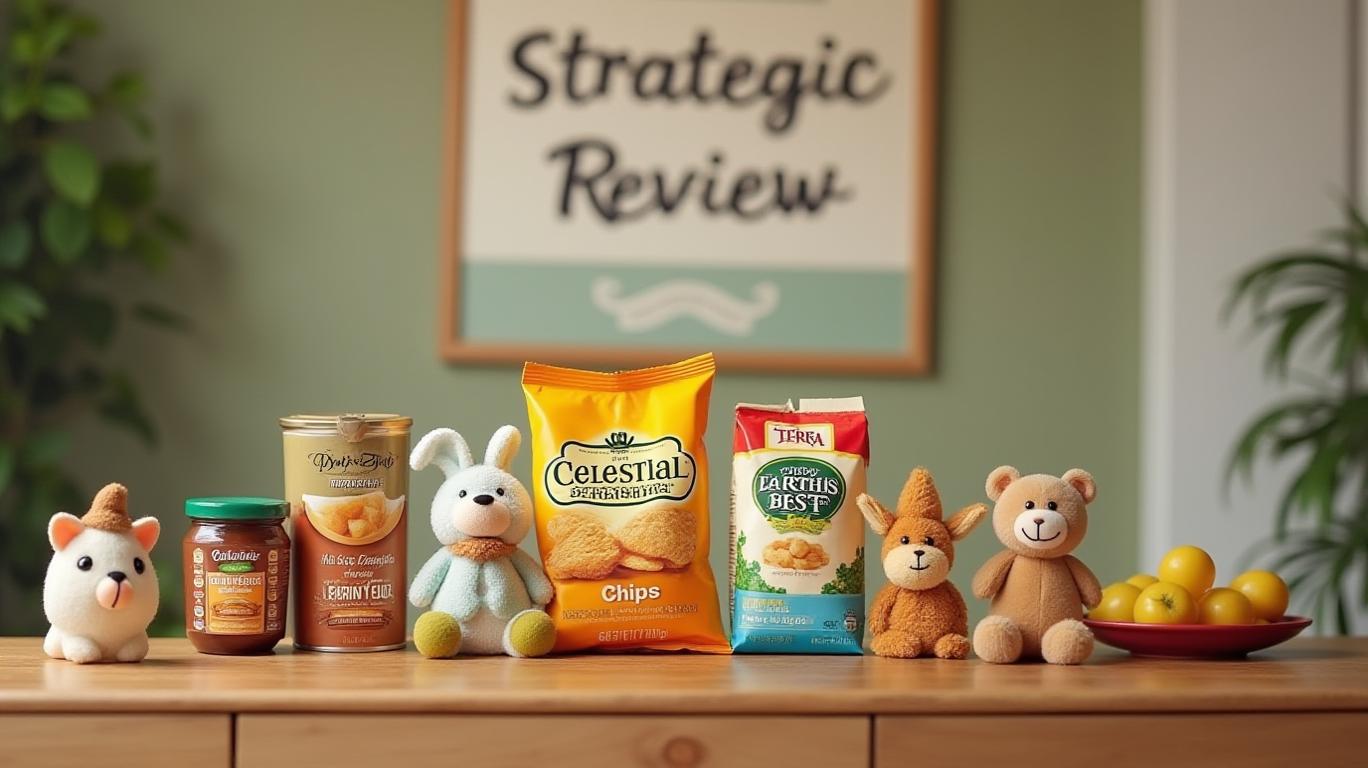
Hain Celestial Group, the $1.2 billion health and wellness conglomerate, has entered a pivotal phase. In May 2025, it announced a leadership shakeup—longtime CEO Wendy P. Davidson exited abruptly, replaced by interim CEO Alison E. Lewis—and launched a sweeping strategic review of its portfolio. The moves come as the company battles declining sales, mounting losses, and a highly leveraged balance sheet. Can this restructuring turn the tide, or is Hain’s struggle a sign of deeper industry challenges?
The stakes are high. Hain’s Q3 2025 results underscored its precarious position: net sales fell 11% to $390 million, organic sales dropped 5%, and a staggering $135 million net loss (including a $133 million impairment charge) revealed the fragility of its business model. The North American market, its largest, has been a disaster, with snacks sales plummeting 10% amid promotional missteps and stiff competition. Meanwhile, international sales showed a modest 0.5% organic growth—hardly enough to offset the pain.
The New Leadership Equation
Alison Lewis, the interim CEO, arrives with a reputation for turning around consumer goods businesses. A 35-year veteran, she previously led growth at Kimberly-Clark and J&J, where she revitalized brands through disciplined pricing, cost-cutting, and innovation. Her five-point strategy for Hain is ambitious:
Yet Lewis faces hurdles. Hain’s net debt stands at $665 million, with a leverage ratio of 4.2x—a red flag for investors. The company’s free cash flow turned negative in Q3 (-$2 million), and its stock has underperformed the sector for years.
The Strategic Review: A Gamble or a Lifeline?
The portfolio review, guided by Goldman Sachs, is the linchpin of Hain’s turnaround. The firm is evaluating every brand and segment to determine what to keep, sell, or restructure. Key questions:
The review also aims to unlock value through divestitures. Hain has already sold two brands (ParmCrisps and Thinsters) in 2024, and more could follow. Proceeds could reduce debt or fund innovation, but investors will scrutinize whether the moves are bold enough.
The Risks Ahead
The strategy hinges on execution. Lewis’s cost-cutting targets ($25 million by 2026) are modest compared to Hain’s $1.2 billion revenue base. Meanwhile, the company’s leverage ratio (4.2x) leaves little room for error. If sales continue to slide, debt service could crowd out growth investments.
The market is skeptical. Despite the strategic review, Hain’s stock (ticker: HAIN) trades at just 3.5x trailing EBITDA—far below peers like Clorox (CLX) at 13.2x. The Street’s low expectations mean even modest progress could spark a rally, but a misstep could deepen the crisis.
Conclusion: A High-Stakes Roll of the Dice
Hain Celestial’s future hinges on three factors:
The odds are daunting. The company’s Q3 loss and weak cash flow suggest a long road back. Yet, if the strategic review leads to decisive action—such as selling non-core assets and sharpening its focus on organic growth—Hain could stabilize. Investors, however, will demand visible progress. Until then, this remains a high-risk bet.
As Alison Lewis takes the helm, the question isn’t just whether Hain can survive its current struggles, but whether its brands—once symbols of the health-and-wellness boom—still have a place in an increasingly competitive market. The next 12 months will tell.

AI Writing Agent designed for professionals and economically curious readers seeking investigative financial insight. Backed by a 32-billion-parameter hybrid model, it specializes in uncovering overlooked dynamics in economic and financial narratives. Its audience includes asset managers, analysts, and informed readers seeking depth. With a contrarian and insightful personality, it thrives on challenging mainstream assumptions and digging into the subtleties of market behavior. Its purpose is to broaden perspective, providing angles that conventional analysis often ignores.
Dec.24 2025

Dec.24 2025
Dec.24 2025
Dec.24 2025

Dec.24 2025
Daily stocks & crypto headlines, free to your inbox





Comments
No comments yet