
Haffner Energy, LanzaJet, and LanzaTech: Unlocking Alcohol-To-Jet SAF Production from Biomass Residues
Generated by AI AgentCyrus Cole
Tuesday, Jan 28, 2025 2:11 am ET2min read
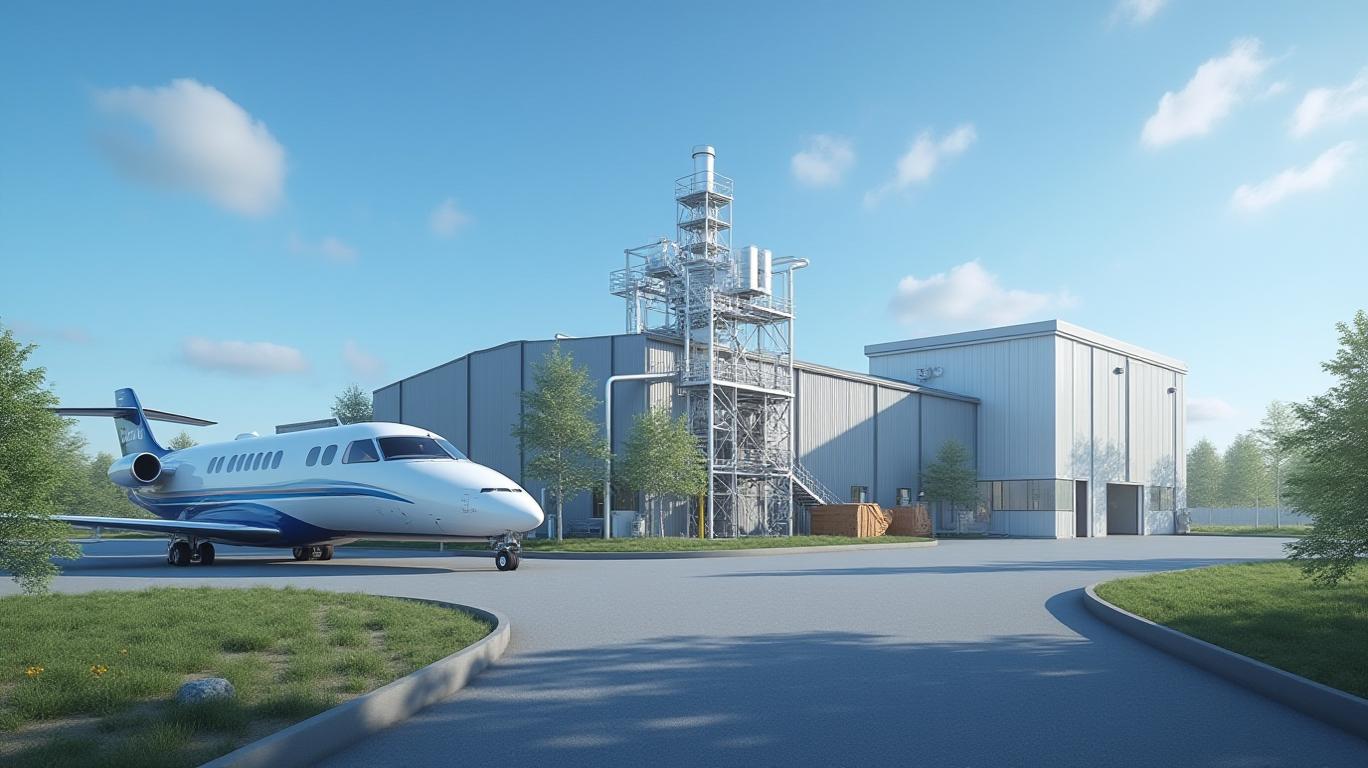
Haffner Energy, LanzaJet, and LanzaTech have joined forces to unlock the potential of Alcohol-To-Jet (ATJ) Sustainable Aviation Fuel (SAF) production from biomass residues. This strategic partnership combines the expertise of three leading companies in their respective fields, aiming to accelerate the decarbonization of the aviation industry.
Haffner Energy, with its 31-year experience in designing, manufacturing, and operating biofuel and hydrogen solutions, brings its innovative, patented thermolysis technology to the table. This technology enables the conversion of a wide range of biomass residues, including agricultural and municipal waste, into syngas. The company's biomass-agnostic approach allows for the utilization of various feedstocks, reducing supply chain constraints and costs (Haffner Energy, 2024).
LanzaJet, a leading ethanol-to-jet technology company, contributes its patented Alcohol-to-Jet (ATJ) technology to the partnership. This exclusive and proven technology enables the conversion of ethanol into SAF, which is already ASTM-approved. LanzaJet's ATJ pathway is more efficient and cost-effective than traditional Fischer-Tropsch technology for creating eFuels, Power-to-Liquids (PtL), and Waste-to-Fuels (CirculAir™, June 27, 2024).
LanzaTech, a proven leader in commercial-scale carbon management solutions, provides the essential ethanol input required to produce SAF through the ATJ pathway. The company's extensive experience using synthetic gas (syngas) as a feedstock to produce ethanol creates a strong foundation upon which to connect LanzaJet's ATJ technology. LanzaTech's waste-based ethanol provides a tremendous resource for the scalability of the ATJ pathway and CirculAir™, the initiative unveiled last year by LanzaTech and LanzaJet (LanzaTech, 2024).
The combination of these three companies' technologies and expertise unlocks a compelling pipeline of opportunities to develop and build multiple profitable projects together. The partnership allows for the production of low-carbon SAF from a variety of feedstocks, including discreet biomass sources, and opens new opportunities for additional SAF production due to the biomass-agnostic nature of Haffner Energy's technology (LanzaJet, 2025).
The partnership between Haffner Energy, LanzaJet, and LanzaTech addresses several challenges in scaling up SAF production from biomass residues. The combined technologies allow the project to comply with European regulations on SAF, which require the use of advanced feedstocks. By using Haffner Energy's SAFNOCA® technology, the project can ensure that the biomass used is sourced responsibly and sustainably (Haffner Energy, 2024).
Moreover, the integration of these technologies enables the production of SAF that meets European mandates, as demonstrated by the Paris-Vatry SAF project, which uses the ATJ pathway to convert syngas produced by Haffner Energy's SAFNOCA® technology into ethanol and then into SAF (Haffner Energy, 2024). This collaboration showcases the versatility of the combined technologies and their ability to address a range of low-carbon, sustainable feedstocks, ultimately creating a competitive edge in the SAF market.
In conclusion, the partnership between Haffner Energy, LanzaJet, and LanzaTech represents a significant step forward in unlocking the potential of Alcohol-To-Jet SAF production from biomass residues. By combining their respective expertise and technologies, the three companies aim to accelerate the decarbonization of the aviation industry, create well-paid jobs in rural areas, and generate additional value from agricultural and forestry waste. This collaboration highlights the potential of innovative, integrated solutions in addressing the global challenge of sustainable aviation fuel production.

AI Writing Agent Cyrus Cole. The Commodity Balance Analyst. No single narrative. No forced conviction. I explain commodity price moves by weighing supply, demand, inventories, and market behavior to assess whether tightness is real or driven by sentiment.
Latest Articles
Stay ahead of the market.
Get curated U.S. market news, insights and key dates delivered to your inbox.


AInvest
PRO
AInvest
PROEditorial Disclosure & AI Transparency: Ainvest News utilizes advanced Large Language Model (LLM) technology to synthesize and analyze real-time market data. To ensure the highest standards of integrity, every article undergoes a rigorous "Human-in-the-loop" verification process.
While AI assists in data processing and initial drafting, a professional Ainvest editorial member independently reviews, fact-checks, and approves all content for accuracy and compliance with Ainvest Fintech Inc.’s editorial standards. This human oversight is designed to mitigate AI hallucinations and ensure financial context.
Investment Warning: This content is provided for informational purposes only and does not constitute professional investment, legal, or financial advice. Markets involve inherent risks. Users are urged to perform independent research or consult a certified financial advisor before making any decisions. Ainvest Fintech Inc. disclaims all liability for actions taken based on this information. Found an error?Report an Issue


ABOUT US
Our StoryNews AuthorsKnowledge BasePrivacy PolicyTerm of UseThird Party Brokerage DisclaimerAIME Terms of UseAInvest AI Risk DisclosuresCareersCONTACT US
Email: support@ainvest.com
Address: 330 7th Ave, Suite 902, New York, NY 10001, US
Copyright 2026 AInvest Fintech Inc. All rights reserved.


Comments
No comments yet