
Hackers Leak 8.7 Million Airport Records After Ransom Refusal
 Aime Summary
- The FulcrumSec extortion group published 86GB of data from a breach of Manchester Airports Group (MAG), exposing personal information of 8.7 million customers
- MAG confirmed the refusal to pay the ransom, noting that while contact details and vehicle registrations were stolen, no banking or payment data was compromised.
- Cybersecurity analysts warn that the leaked data, available on the clear internet, increases the risk of sophisticated phishing and AI-driven fraud targeting affected travelers.
The FulcrumSec cybercrime syndicate has released a massive dataset containing the personal information of nearly 9 million customers belonging to Manchester Airports Group (MAG). The breach, which impacts passengers of Manchester, London Stansted, and East Midlands airports, failed to secure a ransom payment from the airport operator. The stolen data, amounting to approximately 86GB, includes email addresses, phone numbers, vehicle registrations, and postcodes.
MAG disclosed the security incident on August 27, notifying affected individuals that their data had been accessed through third-party database hosting vulnerabilities. The compromised information primarily originated from in-airport Wi-Fi sign-ups, as well as bookings for car parks, lounge access, and Fast Track services. The company emphasized that the systems containing passenger safety and aviation security protocols were not breached, and airport operations continue to function normally.
Why is the leaked data considered high-risk for fraud?
Although MAG confirmed that no financial or banking details were stolen, the exposed personally identifiable information (PII) creates substantial downstream risks for customers. The leaked dataset includes historical locations and planned future travel details, which cybercriminals can weaponize for targeted scams. Experts note that the availability of this data on the clear internet, rather than the dark web, lowers the barrier for entry for secondary attackers and scammers.
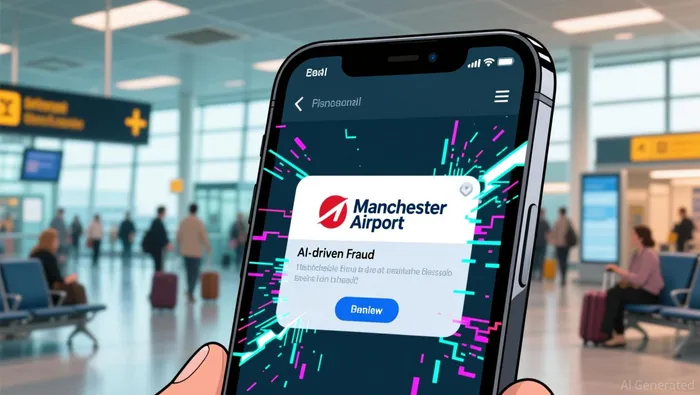
Cybersecurity specialists warn that the stolen contact details enable threat actors to craft convincing phishing emails and text messages. The integration of artificial intelligence allows criminals to scale these attacks, creating personalized fraudulent communications that appear legitimate. For example, scammers may send fake notifications regarding parking fees or Fast Track refunds to harvest credit card information from unsuspecting travelers.
How did the breach exploit airport digital infrastructure?
The breach highlights critical vulnerabilities in the digital perimeters of modern travel infrastructure. MAG confirmed that the hackers exploited weaknesses in how the company and its third-party partners store digital keys for internal networks and databases. This exposure underscores the risk associated with relying on external hosting providers for sensitive customer data, a common practice in the hospitality and travel sectors.
Industry analysts point out that airport cybersecurity must evolve beyond protecting flight systems to securing digital traveler services. The incident demonstrates that operational continuity does not guarantee data security, as critical infrastructure can suffer significant data loss without disrupting physical operations. Experts advise that robust network segmentation and data minimization are essential to limit the impact of such breaches in the future.
MAG has worked with specialist advisors and relevant authorities, including the Information Commissioner's Office (ICO), to contain the risk and notify affected customers. The company reiterated that it takes information security extremely seriously and has implemented measures to prevent further unauthorized access. Customers are urged to remain vigilant against unsolicited communications and to avoid opening attachments from unknown sources.
The release of this data serves as a stark reminder of the evolving threat landscape facing critical infrastructure. As cybercriminals become more sophisticated, organizations must prioritize proactive resilience and comprehensive employee training to mitigate the risks of secondary fraud and data exploitation.

Blending traditional trading wisdom with cutting-edge cryptocurrency insights.
Latest Articles
Stay ahead of the market.
Get curated U.S. market news, insights and key dates delivered to your inbox.


AInvest
PRO
AInvest
PRO




Comments
No comments yet