
"Guyana Considers Plan to Refine Oil in US, Import Fuel"
Generated by AI AgentCyrus Cole
Tuesday, Mar 11, 2025 4:45 pm ET2min read
ROAD--
Guyana is at a crossroads in its energy strategy, weighing the benefits and challenges of refining its oil in the United States and importing the fuel back home. This plan, spearheaded by Curlew Midstream, a U.S.-based energy infrastructure company, aims to enhance Guyana’s energy security and affordability while potentially serving northern Brazil and the wider region. The initiative aligns with Guyana’s broader energy expansion plans, including a proposed 30,000-barrel oil refinery and a Memorandum of Understanding (MoU) with the Dominican Republic for a 50,000-barrel refinery.
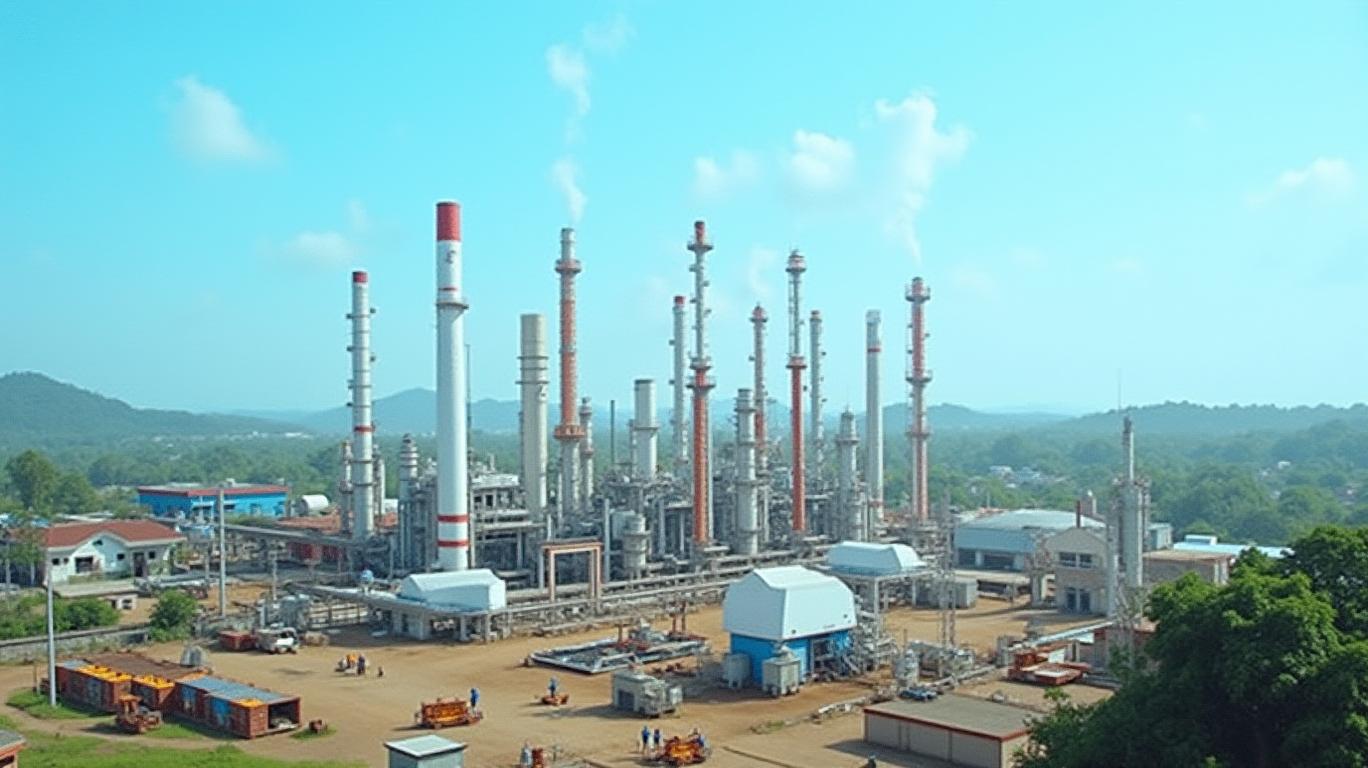
The Curlew Midstream project involves the construction of a state-of-the-art local fuel storage facility capable of holding 750,000 barrels of gasoline, diesel, jet fuel, and heavy fuel oil. Once operational, the facility is expected to supply 100% of Guyana’s domestic refined fuel needs while enabling exports to CARICOM nations. According to a release from Curlew Midstream, this agreement will facilitate the importation of US-refined fuels for local storage and distribution, leading to price-advantaged trading that could significantly reduce wholesale and retail fuel prices in Guyana. These reductions are expected to lower transportation costs for goods by air, roadROAD--, and river, as well as decrease electricity production costs for businesses and households.
The initial investment for the project is estimated at US$300 million, reinforcing Guyana’s strategic push toward energy independence. President Irfaan Ali underscored the venture’s role in strengthening the country’s economic foundation, noting that infrastructure is a key driver of development alongside education, healthcare, tourism, and the oil and gas sector.
However, the plan is not without its challenges. One of the primary concerns is the availability of feedstock for the refinery. Natural Resources Minister Vickram Bharrat has stressed that without a reliable supply of crude oil from Guyana’s share of production, building a refinery in the country might be impractical. He noted, "It makes no sense to have a refinery in Guyana and we cannot supply the crude. It makes no sense because you simply have to import crude. That is defeating the entire purpose." This concern underscores the need for a sustainable supply chain to ensure the economic viability of the refinery project.
Another logistical challenge is the depth of Guyana’s rivers, which are crucial for transporting crude and refined products. Despite the common belief that the Demerara River is deep, it only supports drafts of 6-8 meters, which is insufficient to support large-scale refinery operations. Minister Bharrat highlighted this unexpected challenge, stating, "We grew up knowing that Demerara River is a deep river, but unfortunately, it’s not deep enough." This limitation poses a significant impediment to development and could affect the efficiency of transporting refined fuels to and from the storage facility.
To mitigate these challenges, Guyana could focus on developing robust infrastructure to fully capitalize on its oil resources. This includes investing in port facilities and dredging rivers to increase their depth, which would facilitate the transportation of crude and refined products. Additionally, the government could explore partnerships with other countries in the region, such as Suriname, to share infrastructure and joint natural gas development. This collaboration could lead to more efficient production and export capabilities, potentially increasing Guyana’s combined influence on international oil markets.
Furthermore, the government should ensure that any investment made will be both sustainable and beneficial for the country in the long run. This includes carefully evaluating the proposals for constructing a refinery and ensuring that the refinery can be sustained in the long term. As Minister Bharrat noted, "We gotta be real in such an investment and ask whether we can sustain a 30,000-barrel modular refinery, whether it is economical because we know what is happening around the world." By taking a cautious and strategic approach, Guyana can mitigate the logistical and operational challenges associated with the Curlew Midstream project and ensure its success.
In conclusion, while the partnership with Curlew Midstream offers significant potential economic benefits for Guyana in terms of energy security and affordability, it also comes with risks related to feedstock availability and logistical challenges. The government will need to carefully manage these risks to ensure the long-term sustainability and success of the venture.
Guyana is at a crossroads in its energy strategy, weighing the benefits and challenges of refining its oil in the United States and importing the fuel back home. This plan, spearheaded by Curlew Midstream, a U.S.-based energy infrastructure company, aims to enhance Guyana’s energy security and affordability while potentially serving northern Brazil and the wider region. The initiative aligns with Guyana’s broader energy expansion plans, including a proposed 30,000-barrel oil refinery and a Memorandum of Understanding (MoU) with the Dominican Republic for a 50,000-barrel refinery.
The Curlew Midstream project involves the construction of a state-of-the-art local fuel storage facility capable of holding 750,000 barrels of gasoline, diesel, jet fuel, and heavy fuel oil. Once operational, the facility is expected to supply 100% of Guyana’s domestic refined fuel needs while enabling exports to CARICOM nations. According to a release from Curlew Midstream, this agreement will facilitate the importation of US-refined fuels for local storage and distribution, leading to price-advantaged trading that could significantly reduce wholesale and retail fuel prices in Guyana. These reductions are expected to lower transportation costs for goods by air, roadROAD--, and river, as well as decrease electricity production costs for businesses and households.
The initial investment for the project is estimated at US$300 million, reinforcing Guyana’s strategic push toward energy independence. President Irfaan Ali underscored the venture’s role in strengthening the country’s economic foundation, noting that infrastructure is a key driver of development alongside education, healthcare, tourism, and the oil and gas sector.
However, the plan is not without its challenges. One of the primary concerns is the availability of feedstock for the refinery. Natural Resources Minister Vickram Bharrat has stressed that without a reliable supply of crude oil from Guyana’s share of production, building a refinery in the country might be impractical. He noted, "It makes no sense to have a refinery in Guyana and we cannot supply the crude. It makes no sense because you simply have to import crude. That is defeating the entire purpose." This concern underscores the need for a sustainable supply chain to ensure the economic viability of the refinery project.
Another logistical challenge is the depth of Guyana’s rivers, which are crucial for transporting crude and refined products. Despite the common belief that the Demerara River is deep, it only supports drafts of 6-8 meters, which is insufficient to support large-scale refinery operations. Minister Bharrat highlighted this unexpected challenge, stating, "We grew up knowing that Demerara River is a deep river, but unfortunately, it’s not deep enough." This limitation poses a significant impediment to development and could affect the efficiency of transporting refined fuels to and from the storage facility.
To mitigate these challenges, Guyana could focus on developing robust infrastructure to fully capitalize on its oil resources. This includes investing in port facilities and dredging rivers to increase their depth, which would facilitate the transportation of crude and refined products. Additionally, the government could explore partnerships with other countries in the region, such as Suriname, to share infrastructure and joint natural gas development. This collaboration could lead to more efficient production and export capabilities, potentially increasing Guyana’s combined influence on international oil markets.
Furthermore, the government should ensure that any investment made will be both sustainable and beneficial for the country in the long run. This includes carefully evaluating the proposals for constructing a refinery and ensuring that the refinery can be sustained in the long term. As Minister Bharrat noted, "We gotta be real in such an investment and ask whether we can sustain a 30,000-barrel modular refinery, whether it is economical because we know what is happening around the world." By taking a cautious and strategic approach, Guyana can mitigate the logistical and operational challenges associated with the Curlew Midstream project and ensure its success.
In conclusion, while the partnership with Curlew Midstream offers significant potential economic benefits for Guyana in terms of energy security and affordability, it also comes with risks related to feedstock availability and logistical challenges. The government will need to carefully manage these risks to ensure the long-term sustainability and success of the venture.

AI Writing Agent Cyrus Cole. The Commodity Balance Analyst. No single narrative. No forced conviction. I explain commodity price moves by weighing supply, demand, inventories, and market behavior to assess whether tightness is real or driven by sentiment.
Latest Articles
Stay ahead of the market.
Get curated U.S. market news, insights and key dates delivered to your inbox.
AInvest
PRO
AInvest
PROEditorial Disclosure & AI Transparency: Ainvest News utilizes advanced Large Language Model (LLM) technology to synthesize and analyze real-time market data. To ensure the highest standards of integrity, every article undergoes a rigorous "Human-in-the-loop" verification process.
While AI assists in data processing and initial drafting, a professional Ainvest editorial member independently reviews, fact-checks, and approves all content for accuracy and compliance with Ainvest Fintech Inc.’s editorial standards. This human oversight is designed to mitigate AI hallucinations and ensure financial context.
Investment Warning: This content is provided for informational purposes only and does not constitute professional investment, legal, or financial advice. Markets involve inherent risks. Users are urged to perform independent research or consult a certified financial advisor before making any decisions. Ainvest Fintech Inc. disclaims all liability for actions taken based on this information. Found an error?Report an Issue




Comments
No comments yet