
Gulf Tensions Ignite: Navigating Geopolitical Risk and Energy Opportunities in a Volatile 2025
The simmering dispute between Iraq and Kuwait over the Khor Abdullah waterway and maritime boundary has escalated into a geopolitical flashpoint, amplifying fears of a “Gulf War 2.0” scenario. While outright conflict remains unlikely, the region's instability is already reshaping global energy markets and creating opportunities for investors attuned to geopolitical risk premiums. From oil price volatility to strategic commodity plays, the stakes for energy equities, hedging instruments, and resilient sovereign debt are higher than ever.
The Catalyst: Iraq-Kuwait Maritime Dispute
The roots of the current tension trace back to unresolved grievances from Iraq's 1990 invasion of Kuwait and subsequent UN-mediated border agreements. A 2023 ruling by Iraq's Federal Supreme Court, which annulled a 2012 bilateral maritime accord, has reignited historical claims over Kuwait's sovereignty. While Iraqi Prime Minister Mohammed Shiaa al-Sudani seeks to de-escalate ahead of November's elections, pro-Iranian factions continue to exploit the issue for political gain. Kuwait's retaliatory measures—such as downgrading diplomatic representation at regional summits—signal a breakdown in trust, even as both nations maintain cooperation on port projects and joint oil ventures.
The dispute's broader significance lies in its potential to disrupt critical infrastructure. The Khor Abdullah waterway handles nearly 1.5 million barrels per day (mb/d) of Iraqi crude exports, while the unresolved maritime boundary beyond Point 162 complicates plans for port expansions and joint energy projects. With the UN Assistance Mission to Iraq (UNAMI) set to withdraw by late 2025, the onus falls on bilateral diplomacy—a process fraught with domestic political volatility.
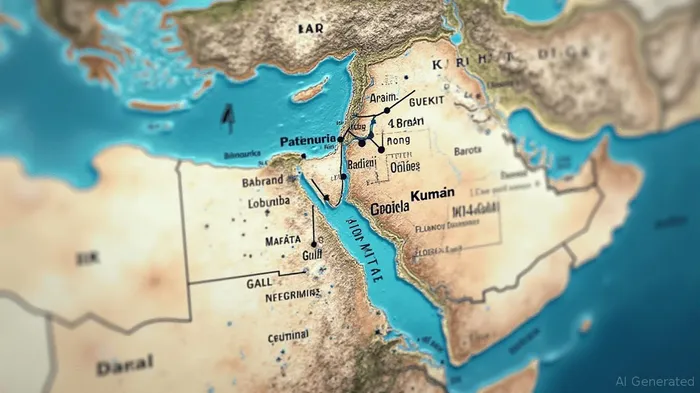
IEA Data: Middle East Oil Supply at a Tipping Point
The International Energy Agency's (IEA) 2025 analysis paints a stark picture of the Middle East's oil supply vulnerabilities. With Iran-Israel hostilities intensifying, energy infrastructure has become a prime target. Attacks on Iran's South Pars gas field (2 billion cubic feet per day capacity) and the Shahran refinery (75,000 barrels per day of condensate and LPG) demonstrate the fragility of regional production. Meanwhile, Israel's reduced gas output and damaged Haifa refinery further strain supply chains.
The IEA warns that geopolitical risks could eclipse structural oversupply trends. While global oil inventories surged to 93 million barrels in May 2025, Brent crude prices spiked to $74 per barrel amid fears of Strait of Hormuz disruptions—a transit route for 25% of global oil. This volatility underscores a critical truth: geopolitical risk premiums are now a permanent feature of energy markets.
Investment Strategies: Playing Defense and Offense
Defensive Plays: Hedging with Commodities and Resilient Debt
- Gold and Energy ETFs: Physical gold (e.g., GLD) and energy-focused ETFs (e.g., XLE) offer insulation against inflation and geopolitical shocks.
Saudi/UAE Sovereign Debt: The region's fiscal resilience—Saudi Arabia's 2025 budget surplus of 1.5% of GDP and UAE's AAA credit rating—supports buying sovereign bonds. These instruments benefit from petrodollar recycling and low default risk.
Natural Gas Stocks: Companies like Cheniere Energy (LNG) or Sempra (SRE), which export U.S. liquefied natural gas (LNG), gain as Europe and Asia diversify away from Gulf supplies.
Offensive Plays: Betting on Energy Equities and Petrochemicals
- Oil Majors with Gulf Exposure: ExxonMobil (XOM) and Chevron (CVX) have production and refining assets in the region. Their robust balance sheets and hedging programs mitigate short-term price swings.
- Petrochemical Plays: The IEA projects petrochemical demand to hit 18.4 mb/d by 2030, favoring firms like Dow (DOW) or Saudi Chemicals Company (SCC), which benefit from Middle Eastern feedstock advantages.
- Security Contractors: Companies like Fluor (FLR) or AMEC Foster Wheeler (FWP), which provide infrastructure protection, may see demand rise as Gulf states bolster defenses.
Risks and Considerations
While opportunities abound, investors must navigate risks:
- Overhang of U.S. Sanctions: Iran's oil exports (2.6 mb/d) remain constrained, but waivers or de-escalation could depress prices.
- OPEC+ Policy Shifts: The group's production cuts unwinding could add to oversupply if geopolitical tensions ease.
- Alternative Energy Competition: Rapid growth in renewables and EV adoption may limit oil's long-term dominance, favoring shorter-term plays.
Conclusion: A High-Reward, High-Risk Landscape
The Gulf's geopolitical instability is a double-edged sword: it inflates energy volatility but also creates asymmetric opportunities. For cautious investors, hedging with gold and resilient sovereign debt offers ballast. Aggressive players can capitalize on oil majors and petrochemicals, but must stay nimble as tensions evolve. With UNAMI's withdrawal and elections looming, 2025 is a year of reckoning for Gulf diplomacy—and a proving ground for investors ready to parse risk into reward.

Stay ahead of the market.
Get curated U.S. market news, insights and key dates delivered to your inbox.


AInvest
PRO
AInvest
PRO



Comments
No comments yet