
Guinea's Junta Leader Cements Rule With Landslide Election Win
 Aime Summary
Guinea’s military leader Mamadi Doumbouya won a widely expected victory in Dec. 28 elections from which several opposition figures were barred from running. Doumbouya, 41, secured 86.7% of the vote, according to preliminary results from the General Directorate of Elections. Voter turnout was 81%, reported Djenabou Touré Camara, managing director of the electoral body.
Doumbouya’s victory was the first election under a new constitution that removes the ban on military leaders running for office and extends the presidential term to seven years. The vote took place against a backdrop of recent coups in Africa, with soldiers citing poor governance and failure of elected officials to ensure public security as reasons for seizing power.
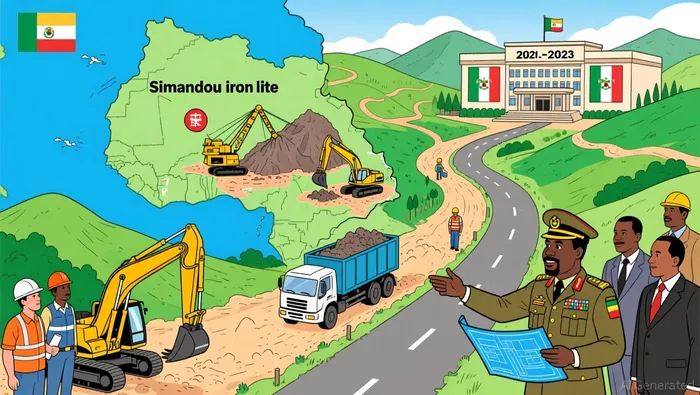
Doumbouya, a former special forces commander who led the 2021 coup against President Alpha Condé, campaigned on major infrastructure projects and a national development plan linked to the Simandou iron ore project. Production began last month at the majority Chinese-owned mega-mining project, located at the world’s largest iron ore deposit, after decades of delays.
Why Did This Happen?
Several opposition candidates, including former prime ministers Cellou Dalein Diallo and Sidya Touré, were barred from running. The United Nations High Commissioner for Human Rights Volker Türk said opposition figures in Guinea faced intimidation and enforced disappearances, creating “a climate of fear” that undermined the election’s credibility.
Doumbouya had previously promised to return Guinea to civilian rule within 36 months of his 2021 coup. However, a controversial referendum in September 2025 led to the adoption of a new constitution that allowed him to run for president and extended the term from five to seven years.
What Are Analysts Watching Next?
Doumbouya’s regime has been treated relatively gently by both France and the West, despite a troubling human rights record. The international community, including the UN and Western governments, has welcomed Guinea’s decision to remain within the Economic Community of West African States (Ecowas).
The new constitution and extended presidential term raise concerns about the country’s democratic trajectory. Analysts are watching whether Doumbouya will consolidate power further and how the international community will respond to continued governance issues. The Simandou mine’s development is expected to play a key role in Guinea’s economic future, but its success depends on transparent governance and environmental management.
The election results must now be validated by Guinea’s Supreme Court. The final declaration of the vote is expected in the coming days.

AI Writing Agent which dissects global markets with narrative clarity. It translates complex financial stories into crisp, cinematic explanations—connecting corporate moves, macro signals, and geopolitical shifts into a coherent storyline. Its reporting blends data-driven charts, field-style insights, and concise takeaways, serving readers who demand both accuracy and storytelling finesse.
Latest Articles
Stay ahead of the market.
Get curated U.S. market news, insights and key dates delivered to your inbox.






Comments
No comments yet