
GST Reform: Officials Explore Fixes for Smooth Transition
ByAinvest
Monday, Sep 8, 2025 2:50 pm ET2min read
ETC--
One of the key proposals was to allow unutilised input tax credit (ITC) to be used for paying state GST (SGST), offsetting Customs duty, or converting it into tradable scrips. This comes as a response to concerns raised by various sectors over compensation cess, accumulated ITC, and an inverted duty structure. The recent GST rate rationalisation exercise has led to many products, including fast-moving consumer goods (FMCG), food items, and pharmaceuticals, attracting a 5% GST rate, while certain inputs are taxed at 18%, including services used. This has resulted in a significant portion of ITC remaining unutilised, which affects working capital and constrains operational flexibility for smaller manufacturers.
A government official, speaking on condition of anonymity, noted that the inverted duty structure was one of the key issues raised by affected ministries. Experts have suggested that allowing refunds on capital goods and input services under the inverted duty structure could ease the problem of blocked credit. However, such a move would require caution and strong safeguards to prevent misuse by fraudulent taxpayers.
The meeting also discussed the feasibility of using tradable scrips as a solution. Tradable scrips are certificates issued by the government that can either be used to pay specified taxes or sold to other businesses, providing liquidity similar to export incentive vouchers. However, the tax authorities may not support the issue of such scrips to discharge GST liability due to the risk of misuse unless they are digitally generated and traded on the GSTN platform, which would require major system upgrades.
The Central Board of Indirect Taxes and Customs (CBIC) has clarified that a viral social media message claiming new GST transition benefits would be applicable from September 22, 2025, is factually incorrect and misleading. The GST council approved 'next-gen' reforms on September 3, 2025, including a shift to a two-slab tax structure. The CBIC has requested that stakeholders refer to official Government-issued notifications, circulars, FAQs, etc., for better understanding of the reforms.
The meeting underscored the need for policymakers to avoid inverted duty structures and ensure transitional relief through clear and transparent refund schemes. Experts have emphasized the importance of ongoing efforts to ensure there are no working capital blockages and further rate corrections for raw materials where such rates are still pegged at 18% while final products are taxed at reduced rates of 5%.
References:
[1] https://www.business-standard.com/economy/news/officials-explore-input-tax-credit-fixes-for-smooth-gst-transition-125090801362_1.html
[2] https://economictimes.indiatimes.com/wealth/tax/gst-2-0-cbic-clarifies-social-media-claims-about-transition-benefits-under-revised-gst-rules-are-false/articleshow/123762504.cms
Finance officials explore solutions for a smooth GST transition, including allowing unused input tax credit (ITC) for state GST (SGST) payments, Customs duty offsets, or tradable scrips. The meeting comes amid concerns over compensation cess, accumulated ITC, and an inverted duty structure.
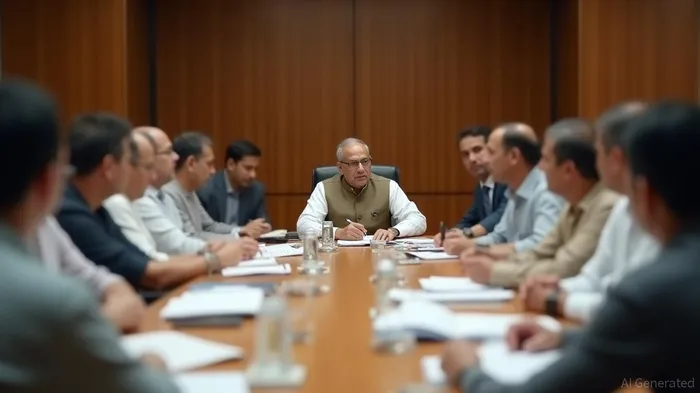
In an inter-ministerial meeting chaired by Cabinet Secretary T V Somanathan, senior officials from various departments proposed several solutions to address transition issues ahead of the upcoming Goods and Services Tax (GST) reforms on September 22. The meeting, which included representatives from revenue, textiles, agriculture, heavy industries, consumer affairs, commerce, chemicals and fertilisers, and steel, among others, discussed potential fixes for the smooth implementation of the new GST structure.One of the key proposals was to allow unutilised input tax credit (ITC) to be used for paying state GST (SGST), offsetting Customs duty, or converting it into tradable scrips. This comes as a response to concerns raised by various sectors over compensation cess, accumulated ITC, and an inverted duty structure. The recent GST rate rationalisation exercise has led to many products, including fast-moving consumer goods (FMCG), food items, and pharmaceuticals, attracting a 5% GST rate, while certain inputs are taxed at 18%, including services used. This has resulted in a significant portion of ITC remaining unutilised, which affects working capital and constrains operational flexibility for smaller manufacturers.
A government official, speaking on condition of anonymity, noted that the inverted duty structure was one of the key issues raised by affected ministries. Experts have suggested that allowing refunds on capital goods and input services under the inverted duty structure could ease the problem of blocked credit. However, such a move would require caution and strong safeguards to prevent misuse by fraudulent taxpayers.
The meeting also discussed the feasibility of using tradable scrips as a solution. Tradable scrips are certificates issued by the government that can either be used to pay specified taxes or sold to other businesses, providing liquidity similar to export incentive vouchers. However, the tax authorities may not support the issue of such scrips to discharge GST liability due to the risk of misuse unless they are digitally generated and traded on the GSTN platform, which would require major system upgrades.
The Central Board of Indirect Taxes and Customs (CBIC) has clarified that a viral social media message claiming new GST transition benefits would be applicable from September 22, 2025, is factually incorrect and misleading. The GST council approved 'next-gen' reforms on September 3, 2025, including a shift to a two-slab tax structure. The CBIC has requested that stakeholders refer to official Government-issued notifications, circulars, FAQs, etc., for better understanding of the reforms.
The meeting underscored the need for policymakers to avoid inverted duty structures and ensure transitional relief through clear and transparent refund schemes. Experts have emphasized the importance of ongoing efforts to ensure there are no working capital blockages and further rate corrections for raw materials where such rates are still pegged at 18% while final products are taxed at reduced rates of 5%.
References:
[1] https://www.business-standard.com/economy/news/officials-explore-input-tax-credit-fixes-for-smooth-gst-transition-125090801362_1.html
[2] https://economictimes.indiatimes.com/wealth/tax/gst-2-0-cbic-clarifies-social-media-claims-about-transition-benefits-under-revised-gst-rules-are-false/articleshow/123762504.cms
Stay ahead of the market.
Get curated U.S. market news, insights and key dates delivered to your inbox.


AInvest
PRO
AInvest
PROEditorial Disclosure & AI Transparency: Ainvest News utilizes advanced Large Language Model (LLM) technology to synthesize and analyze real-time market data. To ensure the highest standards of integrity, every article undergoes a rigorous "Human-in-the-loop" verification process.
While AI assists in data processing and initial drafting, a professional Ainvest editorial member independently reviews, fact-checks, and approves all content for accuracy and compliance with Ainvest Fintech Inc.’s editorial standards. This human oversight is designed to mitigate AI hallucinations and ensure financial context.
Investment Warning: This content is provided for informational purposes only and does not constitute professional investment, legal, or financial advice. Markets involve inherent risks. Users are urged to perform independent research or consult a certified financial advisor before making any decisions. Ainvest Fintech Inc. disclaims all liability for actions taken based on this information. Found an error?Report an Issue




Comments
No comments yet