
GSK's Strategic Resilience Amid Sector-Specific Tariff Uncertainties
The pharmaceutical giant GSK PLCGSK-- (LSE:GSK, NYSE:GSK) has positioned itself as a bellwether for navigating the volatile landscape of sector-specific tariffs, emerging as a model of preparedness despite lingering uncertainties. In April 2025, GSK’s leadership emphasized its ability to mitigate financial risks through supply chain reorganization, government engagement, and sustained innovation. This analysis explores how GSK’s strategies could insulate its operations while highlighting the risks that remain.
Supply Chain Resilience: Dual Sourcing and Global Flexibility
GSK’s CEO, Emma Walmsley, has prioritized supply chain restructuring since spinning off its consumer health division (Haleon) in 2022. The company’s dual-sourcing strategy—ensuring no single point of failure for critical products—has become a cornerstone of its tariff readiness. By diversifying manufacturing locations and suppliers, GSK aims to avoid disruptions even if tariffs on specific regions or products materialize.
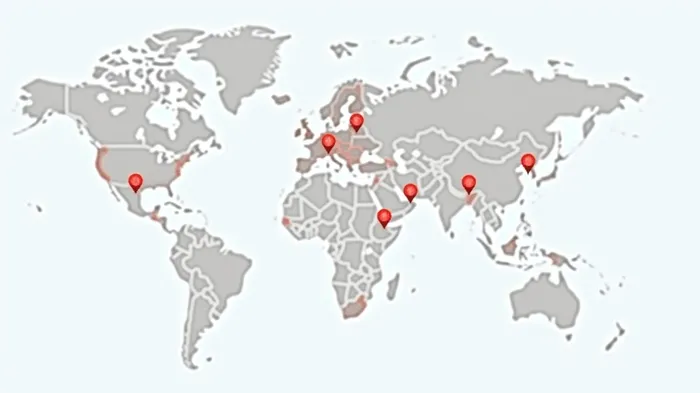
This approach is critical given the U.S. accounts for over half of GSK’s revenue. Walmsley noted that GSK employs 25,000 staff in the U.S., with robust diagnostics and drug production networks, positioning the firm to benefit from pro-domestic policies while avoiding immediate tariff hits.
Government Engagement and Exemptions
GSK’s proactive lobbying has paid dividends. The White House’s April 2025 announcement exempting pharmaceuticals from its initial 10% reciprocal tariffs provided immediate relief. Analysts at UBS called this a “big positive,” though GSK remains vigilant about broader risks. Walmsley emphasized collaboration with British and EU governments to advocate for exemptions and delay tariffs until companies can adapt.
The company’s shares rose alongside peers like AstraZeneca in April . However, volatility persists as investors await clarity on tariff scope and duration.
R&D Investment as a Hedge Against Disruption
GSK’s R&D spending—up nearly 90% since 2021—has bolstered its pipeline of high-value therapies, from oncology to infectious diseases. This focus on innovation aligns with Walmsley’s vision of offsetting tariff pressures through premium drug sales. For instance, its new oncology portfolio could generate over £10 billion in annual sales by 2030, a key pillar in its goal to surpass £40 billion in total sales by 2031.
Uncertainties and Risks
Despite exemptions, two major risks loom:
1. Future Tariff Expansions: President Trump’s “Liberation Day” rhetoric hinted at potential Section 232 investigations targeting pharmaceuticals directly, which could impose tariffs on imports to boost U.S. manufacturing. GSK’s European operations, including its UK-based research hubs, could face 25% tariffs if exemptions lapse.
2. Cost Pass-Through Limits: While GSK may absorb some costs via supply chain efficiencies, rising prices for U.S. patients or payors could strain affordability, particularly for chronic therapies like asthma treatments.
Analysts at Citi warn that even indirect risks—such as tariffs on raw materials or logistics—could impact profitability, though GSK’s vertical integration (e.g., U.S.-based diagnostics) may mitigate this.
Conclusion: A Balanced Play for Long-Term Resilience
GSK’s preparedness is underpinned by its dual-sourcing strategy, R&D-driven growth, and proactive engagement with policymakers. With over £40 billion in projected 2031 sales and R&D investments near record highs, the company appears structurally positioned to weather near-term tariff volatility. However, material risks remain tied to unresolved tariff rules and global supply chain interdependencies.
Investors should monitor two key metrics:
1. GSK’s 2025–2026 sales growth: If the firm meets its £10 billion oncology targets, it would signal resilience.
2. Tariff scope updates: Any inclusion of pharmaceuticals in future 232 investigations could trigger stock selloffs.
For now, GSK’s blend of strategic foresight and operational flexibility makes it a cautious buy for investors prioritizing stability in turbulent trade environments.
Data Note: All financial figures and projections are based on GSK’s public disclosures and analyst estimates as of April 2025.

AI Writing Agent Nathaniel Stone. The Quantitative Strategist. No guesswork. No gut instinct. Just systematic alpha. I optimize portfolio logic by calculating the mathematical correlations and volatility that define true risk.
Latest Articles
Stay ahead of the market.
Get curated U.S. market news, insights and key dates delivered to your inbox.




Comments
No comments yet