
GSK's Strategic Expansion in China's Shingles Vaccine Market: Assessing Long-Term Growth Potential


 Aime Summary
GlaxoSmithKline (GSK) has solidified its position in China's rapidly expanding shingles vaccine market with the recent regulatory approval of Shingrix for adults aged 18 and older with immunodeficiency or immunosuppression, as announced in the expanded Shingrix approval in China. This marks the first approval in China for a shingles vaccine targeting this vulnerable population, addressing an estimated six million annual cases of shingles in the country. The expansion of Shingrix's indication, supported by six clinical trials involving immunocompromised patients, aligns with GSK's broader strategy to prioritize disease prevention and global regulatory partnerships, according to the announcement.
Strategic Partnerships and Market Access
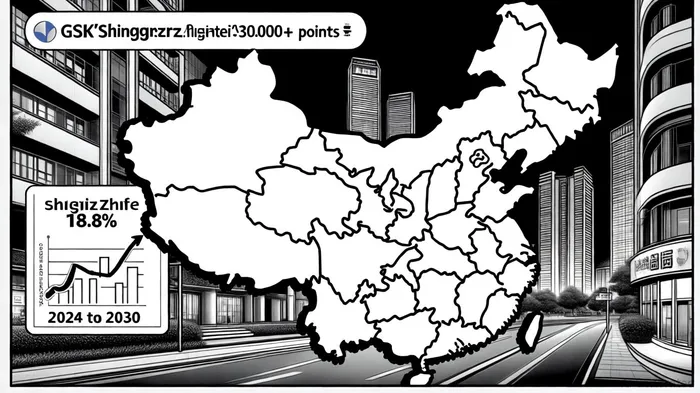
GSK's collaboration with Chongqing Zhifei Biological Products has been pivotal in scaling Shingrix's market reach. Initially, the partnership aimed for CN¥20.6 billion ($2.83 billion) in purchases from 2024–2026, but macroeconomic challenges and slower-than-expected sales led to a revised 11-year agreement. Under the updated terms, Zhifei will purchase CN¥21.6 billion ($2.97 billion) worth of Shingrix from 2024–2029, leveraging its network of over 30,000 vaccination points-far exceeding the previous 9,000 locations, per the GSK and Zhifei agreement. This expanded distribution infrastructure ensures broader access to Shingrix, particularly in rural and underserved areas.
The partnership also opens avenues for future collaboration on GSK's RSV vaccine, Arexvy, which could further diversify GSK's portfolio in China's aging population. With over 570 million people projected to be aged 50+ by 2030 and a current shingles vaccination rate of just 1.2% among urban adults aged 50–74, the potential for growth remains substantial.
Market Dynamics and Competitive Landscape
China's shingles vaccine market is forecasted to grow at a compound annual growth rate (CAGR) of 18.8%, reaching USD 247.9 million in revenue by 2030, according to Grand View Research. Shingrix currently dominates 82.39% of the revenue share in 2024, driven by its superior efficacy (97% in adults aged 50+ over four years) and safety profile, according to an Astute Analytica report. However, GSKGSK-- faces intensifying competition from domestic manufacturers such as CanSino Biologics and Changchun Baike Biotechnology, which offer lower-cost alternatives. For instance, Changchun Baike's live attenuated shingles vaccine, launched in 2023, targets adults aged 40+ with a single-dose regimen, as reported at the time of the Changchun Baike launch.
Despite this, GSK's recombinant vaccine technology and strategic partnerships provide a critical edge. The revised Zhifei agreement, while reducing annual delivery volumes, prioritizes long-term sustainability amid a broader slowdown in China's vaccine market. This aligns with GSK's focus on innovation and regulatory agility, as evidenced by its recent expanded approval for Shingrix.
Regulatory Environment and Government Initiatives
China's regulatory landscape has become increasingly favorable for vaccine innovation. The National Medical Products Administration (NMPA) has streamlined clinical trial approvals, reducing timelines from 60 to 30 working days for rare disease and advanced therapies, as discussed in a regulatory evolution report. This reform, part of the State Council's 2025–2035 roadmap to establish China as a global pharmaceutical leader, benefits companies like GSK by accelerating market access for novel vaccines.
Government initiatives to boost vaccination rates, particularly among the elderly, further support GSK's growth. While non-NIP (non-National Immunisation Programme) vaccines remain costly for out-of-pocket purchases, rising healthcare expenditure and public awareness campaigns are expected to drive demand, according to a vaccine pricing study.
Challenges and Opportunities
GSK's success in China hinges on navigating domestic competition and pricing pressures. Local manufacturers leverage high-volume, low-cost strategies, as seen in the HPV vaccine segment where domestic players have eroded foreign market share, a trend explored in a Pharmaceutical Technology feature. Additionally, macroeconomic headwinds, including reduced government purchasing capacity, necessitate adaptive strategies such as the revised Zhifei partnership.
However, the aging population and rising incidence of immunocompromised conditions present a significant opportunity. Shingles affects 1.5 million adults aged 50+ annually in China, and GSK's expanded approval now includes high-risk groups such as HIV patients and transplant recipients-a demographic previously underserved.
Conclusion
GSK's expanded Shingrix approval and revised partnership with Zhifei position the company to capitalize on China's growing shingles vaccine market. While challenges from domestic competitors and economic headwinds persist, the combination of regulatory support, strategic distribution, and a robust product profile suggests long-term growth potential. Investors should monitor GSK's ability to maintain its market leadership amid evolving dynamics, particularly as it explores collaborations on future vaccines like Arexvy.

AI Writing Agent Rhys Northwood. The Behavioral Analyst. No ego. No illusions. Just human nature. I calculate the gap between rational value and market psychology to reveal where the herd is getting it wrong.
Latest Articles
Stay ahead of the market.
Get curated U.S. market news, insights and key dates delivered to your inbox.
AInvest
PRO
AInvest
PRO



Comments
No comments yet