
Grocery Outlet Restructuring: What Retail Investors Need to Know
 Aime Summary
- Grocery Outlet is closing 36 underperforming stores as part of a strategic restructuring effort to improve profitability and long-term growth.
- .
- , .
- The company plans to open 30–33 new stores in 2026 under a more disciplined approach and refresh 150 existing locations to improve customer experience and value perception.
- , raising concerns about the company's ability to execute its optimization strategy and restore investor confidence
"Retail investors are closely watching Grocery Outlet's strategic moves as it navigates a shift in growth strategy. The company, which has rapidly expanded in recent years, is now rethinking its store portfolio and operational approach. CEO highlighted the need to focus on profitable locations and avoid overexpansion that led to underperformance in certain markets.
What Is Grocery OutletGO-- Doing to Address Store Underperformance?
The company is closing 36 underperforming stores, , . These closures are part of a broader optimization plan that includes restructuring charges and a sharper focus on long-term returns.
. Management has also announced a shift toward a "clustered model" for future store expansion, which is expected to improve efficiency and profitability.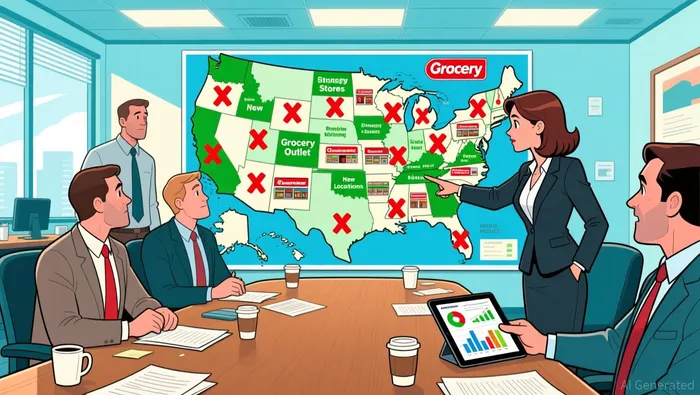
Why Is Grocery Outlet Closing Stores Amid Rising Sales?
, the company , . The results fell short of analyst expectations, with non-GAAP earnings and adjusted EBITDA both underperforming. further signaled operational challenges.
The store closures are not a sign of declining demand for discount groceries but rather a correction to overexpansion and a strategy to reallocate resources to high-performing regions. The remaining 51 stores in the Eastern region are profitable, .
What Does This Mean for Grocery Outlet Shareholders in 2026?
Investors are evaluating whether these strategic shifts will restore profitability and investor confidence. , but the approach will be more selective, with company-run operations before transitioning to independent operators. The company also plans to refresh 150 stores by the end of the year to improve the in-store experience and attract customers according to management.
However, the stock has taken a hit, , as investors question the company's ability to execute its long-term strategy and deliver consistent results. The market is likely to remain cautious until the restructuring shows measurable progress in profitability and same-store sales.
The road ahead for Grocery Outlet is clear but challenging. The company must balance its aggressive expansion ambitions with the need for profitability and efficient store operations. Retail investors will want to monitor key metrics like same-store sales trends, EBITDA growth, and operational cost controls as the company navigates these changes.

Stay ahead of the market.
Get curated U.S. market news, insights and key dates delivered to your inbox.


AInvest
PRO
AInvest
PRO



Comments
No comments yet