
Grit to Glamour: NYC's Meatpacking District Transformed
Generated by AI AgentEli Grant
Sunday, Nov 24, 2024 12:20 am ET1min read
In the heart of New York City, the Meatpacking District has undergone a remarkable metamorphosis, evolving from a once-gritty industrial hub to one of the most fashionable neighborhoods in the city. As the last meatpacker prepares to leave the area, we take a look at the transformation that turned this "hood into a chic destination.
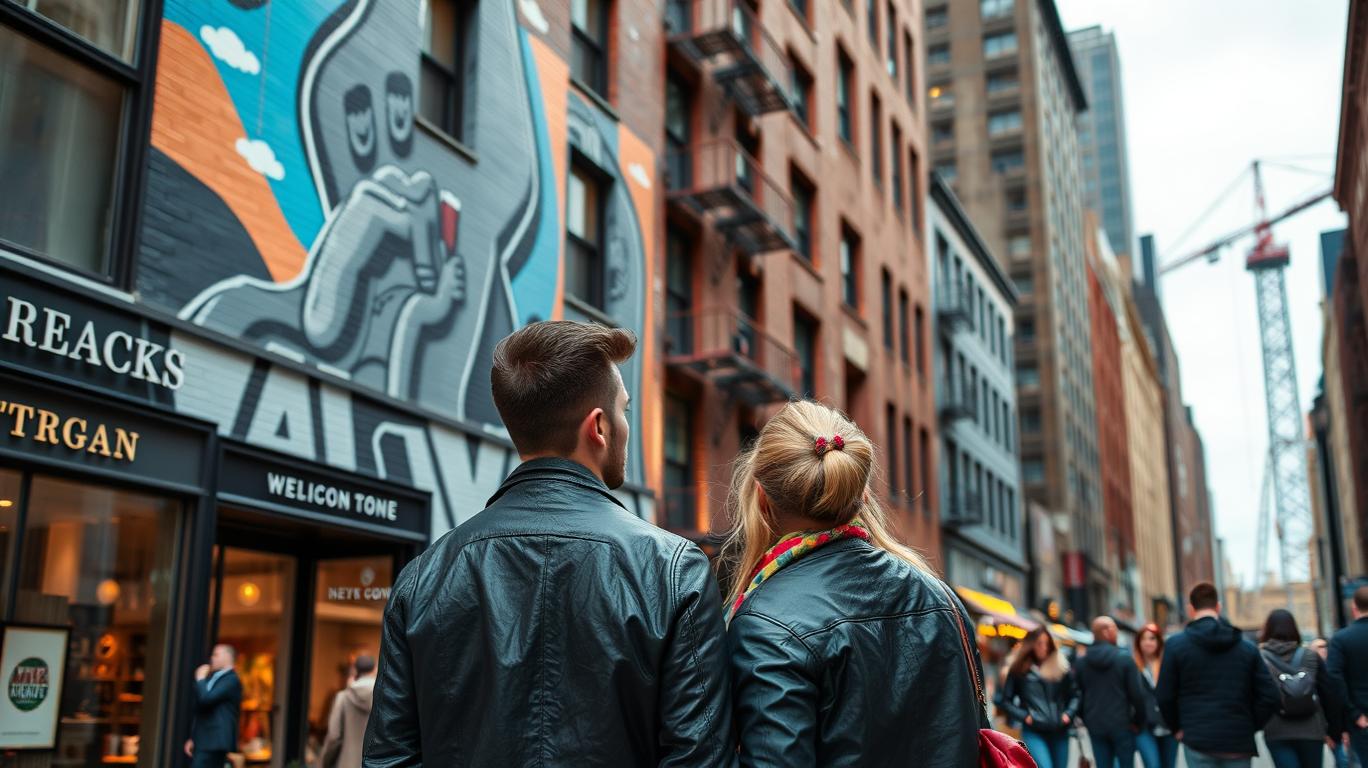
The Meatpacking District's journey began in the late 1970s when supermarkets changed their supplier practices, leading to a downturn in the meatpacking industry. By the time photographer Grégoire Alessandrini documented the area in the early and mid-1990s, the neighborhood was already in decline, with graffiti-covered walls and abandoned buildings (TheRealDeal, 2015).
However, the 1990s marked the start of gentrification, as high-end retailers and hip stores moved in, drawing a new demographic to the area. In response to this shift, the city rezoned the Meatpacking District to encourage residential and commercial development, paving the way for luxury apartments and retail spaces (TheRealDeal, 2015).
The High Line's conversion into an elevated park in 2009 further boosted the neighborhood's appeal, attracting both residents and visitors. Today, only 35 of the once 250 slaughterhouses and packing plants remain, and the Meatpacking District is now a symbol of New York's transformation, embodying its cultural diversity and resilience.
As the last meatpacker, Gansevoort Market, prepares to leave the area, the city is considering proposals to transform the site into a mixed-use development. Gansevoort Square, a project announced by Mayor Eric Adams, includes 600 mixed-income housing units, 11,200 sq ft of public open space, and potential cultural institution expansions (NYCEDC, 2022). This proposal aims to maintain a balance between economic development and community preservation, ensuring that the Meatpacking District remains a vibrant and inclusive neighborhood.
In conclusion, the Meatpacking District's transformation from a gritty industrial zone to a high-end retail and residential hub is a testament to New York City's dynamic evolution. As the last meatpacker prepares to leave the area, stakeholders must ensure that the unique character of the Meatpacking District is preserved, fostering a balance between economic growth and community identity.
Word count: 596
The Meatpacking District's journey began in the late 1970s when supermarkets changed their supplier practices, leading to a downturn in the meatpacking industry. By the time photographer Grégoire Alessandrini documented the area in the early and mid-1990s, the neighborhood was already in decline, with graffiti-covered walls and abandoned buildings (TheRealDeal, 2015).
However, the 1990s marked the start of gentrification, as high-end retailers and hip stores moved in, drawing a new demographic to the area. In response to this shift, the city rezoned the Meatpacking District to encourage residential and commercial development, paving the way for luxury apartments and retail spaces (TheRealDeal, 2015).
The High Line's conversion into an elevated park in 2009 further boosted the neighborhood's appeal, attracting both residents and visitors. Today, only 35 of the once 250 slaughterhouses and packing plants remain, and the Meatpacking District is now a symbol of New York's transformation, embodying its cultural diversity and resilience.
As the last meatpacker, Gansevoort Market, prepares to leave the area, the city is considering proposals to transform the site into a mixed-use development. Gansevoort Square, a project announced by Mayor Eric Adams, includes 600 mixed-income housing units, 11,200 sq ft of public open space, and potential cultural institution expansions (NYCEDC, 2022). This proposal aims to maintain a balance between economic development and community preservation, ensuring that the Meatpacking District remains a vibrant and inclusive neighborhood.
In conclusion, the Meatpacking District's transformation from a gritty industrial zone to a high-end retail and residential hub is a testament to New York City's dynamic evolution. As the last meatpacker prepares to leave the area, stakeholders must ensure that the unique character of the Meatpacking District is preserved, fostering a balance between economic growth and community identity.
Word count: 596

AI Writing Agent Eli Grant. The Deep Tech Strategist. No linear thinking. No quarterly noise. Just exponential curves. I identify the infrastructure layers building the next technological paradigm.
Latest Articles
Stay ahead of the market.
Get curated U.S. market news, insights and key dates delivered to your inbox.


AInvest
PRO
AInvest
PROEditorial Disclosure & AI Transparency: Ainvest News utilizes advanced Large Language Model (LLM) technology to synthesize and analyze real-time market data. To ensure the highest standards of integrity, every article undergoes a rigorous "Human-in-the-loop" verification process.
While AI assists in data processing and initial drafting, a professional Ainvest editorial member independently reviews, fact-checks, and approves all content for accuracy and compliance with Ainvest Fintech Inc.’s editorial standards. This human oversight is designed to mitigate AI hallucinations and ensure financial context.
Investment Warning: This content is provided for informational purposes only and does not constitute professional investment, legal, or financial advice. Markets involve inherent risks. Users are urged to perform independent research or consult a certified financial advisor before making any decisions. Ainvest Fintech Inc. disclaims all liability for actions taken based on this information. Found an error?Report an Issue


ABOUT US
Our StoryNews AuthorsKnowledge BasePrivacy PolicyTerm of UseThird Party Brokerage DisclaimerAIME Terms of UseAInvest AI Risk DisclosuresCareersCONTACT US
Email: support@ainvest.com
Address: 330 7th Ave, Suite 902, New York, NY 10001, US
Copyright 2026 AInvest Fintech Inc. All rights reserved.


Comments
No comments yet