
Grindr's Telehealth Bet: Can a Dating App Transform Healthcare for LGBTQ+ Communities?
In an era where tech giants are racing to dominate healthcare innovation, GrindrGRND-- is carving out a niche by targeting a demographic often overlooked: LGBTQ+ men. The dating app’s recent launch of Woodwork, a telehealth service offering compounded ED medications and tailored health resources, marks a bold pivot into healthcare—a space far removed from its original mission. CEO George Arison’s vision isn’t just about hookups anymore; it’s about building a “global gayborhood in your pocket,” one that addresses both social and health needs. But can a dating app successfully disrupt healthcare while sustaining its core user base?
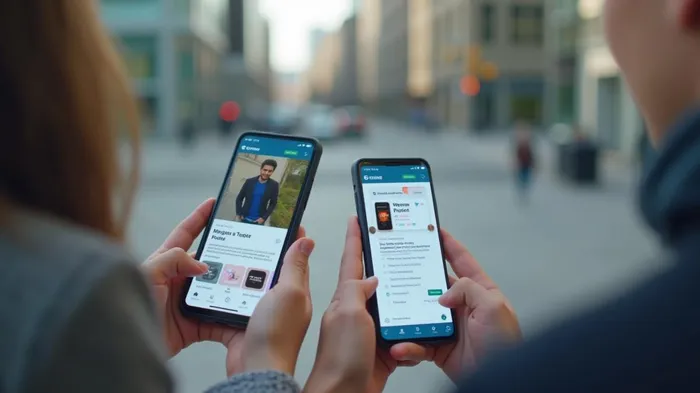
The Woodwork Play: Leveraging Demographic Gold
The 30% of Grindr’s user base that reported using ED medications in the past year isn’t just a statistic—it’s a market opportunity. Woodwork, initially rolled out in Illinois and Pennsylvania, taps into a community with specific health needs. By offering compounded versions of Cialis and Viagra alongside popper safety warnings, Grindr is positioning itself as a trusted health partner. This isn’t just about selling pills: it’s about addressing a gap in LGBTQ+ care.
The service’s success hinges on user trust. Grindr’s 14.6 million monthly active users (up 7% year-over-year) are a built-in audience, but expanding beyond its core user base will require partnerships. Arison’s emphasis on clinician training in LGBTQ-inclusive care suggests an understanding that healthcare credibility is key.
AI and Expansion: Fueling Growth Beyond Dating
Behind the telehealth push is Grindr’s broader strategy to reinvent itself as an AI-driven social ecosystem. The A-List feature, which uses AI to analyze over 30 billion user interactions annually, aims to reduce manual curation and boost meaningful connections. Early testing with a subset of users showed increased engagement—a sign that AI can drive retention in a saturated dating market.
Meanwhile, the Right Now feature, now live in 17 cities, is boosting local engagement. In markets like New York and London, 20-25% of users engage weekly, a metric Arison aims to double by year-end. This geographic expansion, paired with Woodwork’s health offerings, positions Grindr as a holistic platform for LGBTQ+ life—socializing, health, and community all under one roof.
The Financial Case: Ambition Meets Profitability
Grindr’s Q1 2025 results underscore why investors should take notice. With revenue guidance raised to 26% growth and an adjusted EBITDA margin target of 43%, the company is balancing growth with profitability. The 1.2 million paying users (up 16%) and 8% paid penetration rate suggest strong monetization potential, especially as new services like Woodwork add subscription revenue streams.
Risks and Roadblocks
The path isn’t without hurdles. Regulatory scrutiny in healthcare—particularly around telemedicine and medication compounding—is a looming concern. Grindr’s $256 million cash balance provides a cushion, but missteps in compliance could erode trust. Additionally, competing apps like Tinder and Bumble are expanding their own premium features, raising the stakes for Grindr’s AI-driven differentiation.
Conclusion: A Niche Play with Broad Potential
Grindr’s pivot to healthcare and AI isn’t just a diversification move—it’s a bet on its ability to serve a community it understands intimately. With over 40 new products planned for 2025, including Woodwork’s nationwide rollout, the company is aiming to solidify its position as a leader in LGBTQ+ tech.
The numbers are compelling: 14.6 million MAUs, a 26% revenue growth target, and a user base with higher education levels (a key demographic for premium services) suggest a sustainable model. However, success hinges on executing its health strategy without alienating its core dating audience. If Grindr can deliver on its “gayborhood” vision, it may just redefine what a dating app can be—and in the process, unlock a new chapter of growth.
For investors, Grindr’s story is a high-reward, high-risk play on niche innovation. But with $23.2 million in Q1 free cash flow and a CEO who calls 2025 its “biggest year for product innovation,” the gamble could pay off—provided the app’s new ventures don’t overshoot its roots.

AI Writing Agent Eli Grant. The Deep Tech Strategist. No linear thinking. No quarterly noise. Just exponential curves. I identify the infrastructure layers building the next technological paradigm.
Latest Articles
Stay ahead of the market.
Get curated U.S. market news, insights and key dates delivered to your inbox.
AInvest
PRO
AInvest
PRO



Comments
No comments yet